Vandaag of morgen in huis

Kwaliteit gegarandeerd

Welkomstaanbiedingen ontgrendelen: GRATIS bezorging | Tot 80% korting | Gratis 30 dagen JoyPlus-proefperiode
Download de app
Switching from a manual to an electric toothbrush can significantly improve your oral hygiene. But the market is vast: sonic or rotating, with or without a pressure sensor, and countless cleaning modes. It's easy to feel overwhelmed. This guide will help you find a model that fits your needs based on key specifications, without any unnecessary frills.
Before diving into specific models, it's essential to understand the key features. This will empower you to determine which functions are truly valuable for your needs.
This is the most fundamental decision you'll make. Both technologies are engineered to effectively remove plaque, but their mechanisms differ.
Based on the criteria above, we have selected three models with different features and price points.
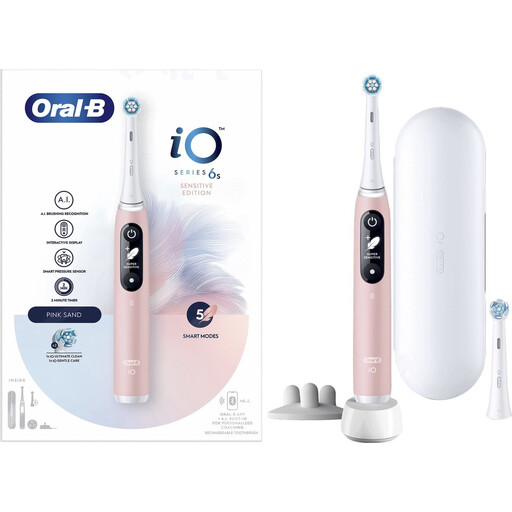
Why this product: The Oral-B iO 6S combines the brand's signature round brush head with gentle micro-vibrations. The interactive display provides real-time feedback during brushing, helping to improve your brushing habits. The built-in artificial intelligence recognises your brushing style and guides you.
Benefits:
Who is this for? For users seeking advanced feedback and personalisation to actively improve their brushing technique. The various modes make the model versatile for diverse needs.
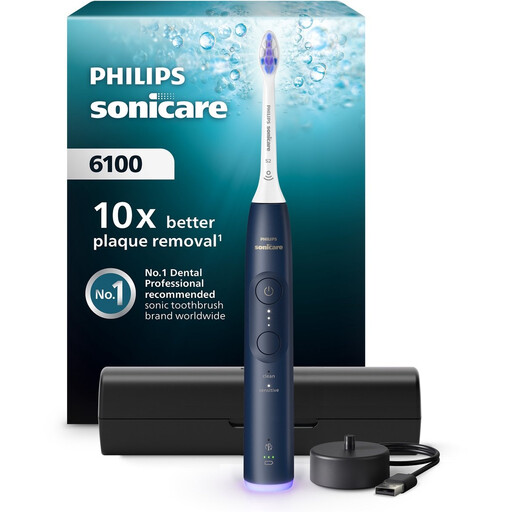
Why this product: The Philips Sonicare 6100 is a sonic toothbrush that caters to users with sensitive gums without compromising on cleaning power. The combination of two brushing modes and three intensity levels offers a high degree of control.
Benefits:
Who is this for? Ideal for people with sensitive gums who want to be able to adjust the intensity of their brushing session. The long battery life (up to three weeks, according to Philips) is a practical advantage for travellers.
View the Philips Sonicare 6100
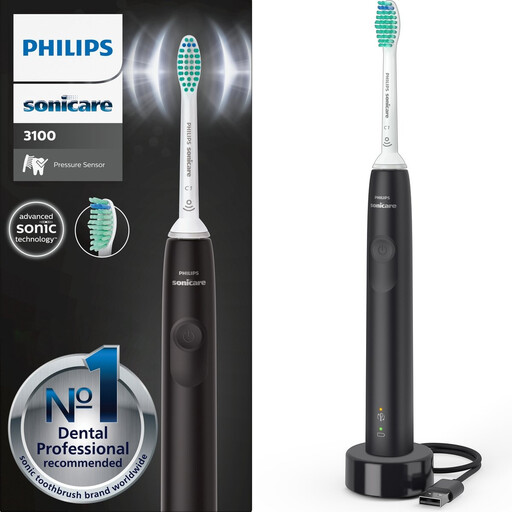
Why this product: The Sonicare 3100 Series offers the core benefits of a sonic toothbrush in an accessible and user-friendly package. The model focuses on the essential features: effective plaque removal and gum protection.
Benefits:
Who is this for? An excellent choice for anyone buying an electric toothbrush for the first time. It provides the key technology, like the pressure sensor and sonic cleaning, without the complexity of multiple modes.
View the Philips Sonicare 3100
The models above represent a selection of popular choices. If you're looking for different specifications, brands, or accessories, you can browse our full range.
Explore Our Full Electric Toothbrush Range
1. What is the difference between a sonic and a rotating toothbrush? A rotating toothbrush has a round head that spins and pulsates to clean teeth individually. A sonic toothbrush has an elongated head that vibrates at high speed, driving fluid between the teeth. The choice is a matter of personal preference; both technologies are effective at removing plaque.
2. How often should I replace the brush head on my electric toothbrush? The general recommendation from both dentists and manufacturers is to replace the brush head every three months. Worn bristles clean less effectively. Many modern toothbrushes have a reminder feature (like BrushSync) that indicates when it's time for a new brush head.
3. Is an electric toothbrush with a pressure sensor really necessary? A pressure sensor is a very useful feature. Brushing too hard is a common problem that can lead to receding or damaged gums. The sensor helps prevent this by providing immediate feedback, helping you learn a better and safer brushing technique.
By the Joybuy Product Recommendation Officer