
Vandaag of morgen in huis

Kwaliteit gegarandeerd

Welkomstaanbiedingen ontgrendelen: GRATIS bezorging | Tot 80% korting | Gratis 30 dagen JoyPlus-proefperiode
Download de app
Switching to an electric toothbrush is a great step for your oral health. But the market is flooded with models that make lofty promises. Many features sound impressive, but in practice, they are unnecessary and drive up the price. Before you make a choice, it's helpful to know what to look for to avoid wasting money on marketing hype.
As a Joybuy Product Recommendation Officer, I'll help you identify the main pitfalls and focus on what truly matters for clean teeth and healthy gums.
Manufacturers use clever marketing to sell their products. Watch out for these common pitfalls:
Don't get distracted by marketing terms. Focus on these three objective specifications that determine whether an electric toothbrush does its job well.
Most electric toothbrushes use one of two technologies. A sonic toothbrush, like the popular models from Philips Sonicare, makes tens of thousands of vibrating movements per minute. This technique creates microbubbles that also clean between the teeth and along the gumline. This is often perceived as gentler and more effective, especially for sensitive gums. Rotating brushes have a round head that spins and pulsates. The choice is personal, but sonic models are a common choice for a thorough yet gentle clean.
These are the two features that will actually improve your brushing routine.
A good rechargeable toothbrush has a reliable battery that lasts at least two weeks with normal use. Pay attention to the charging method. USB-C is increasingly becoming the standard and is convenient because you can use the same cable as for your phone. For those who travel a lot, a travel toothbrush with a long battery life or a model with replaceable batteries can be a practical solution.
Below are some popular choices, matched to different user profiles. This selection is based on objective product specifications.
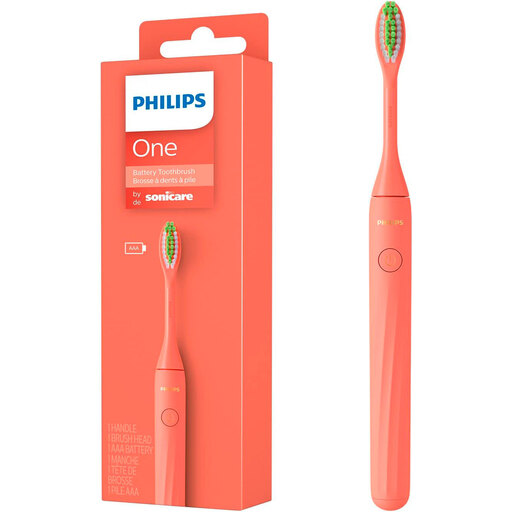
Why This Fits Their Persona: Ideal for those switching from a manual toothbrush. This model offers Philips' sonic technology in a simple and affordable package, without unnecessary extras.
This model bypasses the pitfall of redundant features. It focuses on the core essentials: effective cleaning with a 2-minute timer. The AAA battery avoids dependency on a specific charger.
Compact, lightweight, and runs for up to 90 days on a single AAA battery. The built-in timer helps you stick to the recommended brushing time.
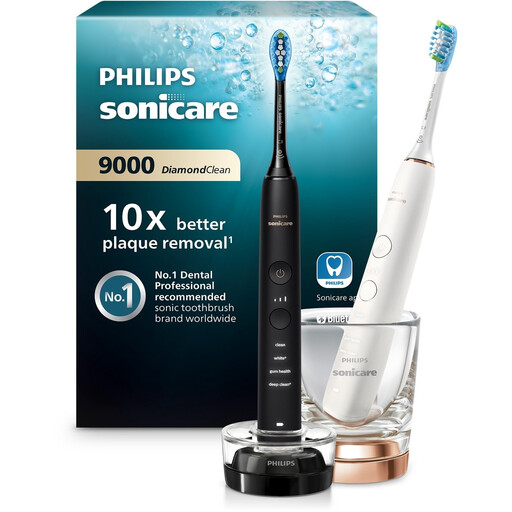
Why This Fits Their Persona: For those who want to optimise their oral care with data and personalisation. This model offers app connectivity for progress reports and multiple brushing modes for specific goals, like a toothbrush for whiter teeth.
Although this model is 'smart', its features are practical. The app and pressure sensor provide useful feedback to improve your technique, rather than just being a gimmick.
Features 4 brushing modes and 3 intensities. The built-in pressure sensor and BrushSync technology (which selects the right mode for the brush head) provide an advanced brushing experience.
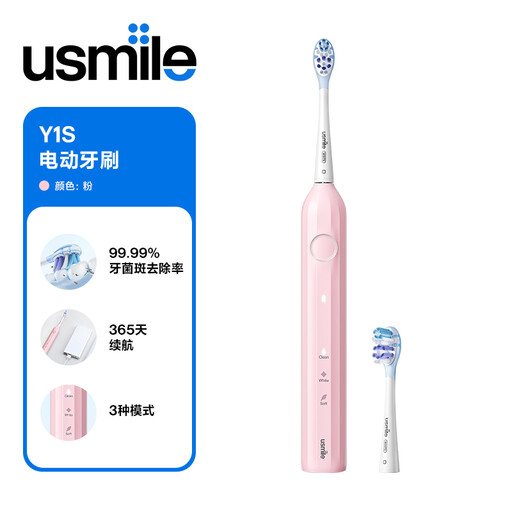
Why This Fits Their Persona: Perfect for those who are often on the go and don't want to carry a charger constantly. The extremely long battery life makes this a very practical travel toothbrush.
This model directly tackles the 'battery life' pitfall by offering an exceptionally long usage time. It focuses on essential brushing modes (Clean, White, Soft) and a timer, without unnecessary app integration.
According to the manufacturer, the battery lasts up to 180 days on a single charge. It charges via a modern USB-C port, and a travel case is included.
We have compiled a complete, up-to-date list of products that fully meet these strict selection criteria and local regulations.
Most manufacturers, including Philips, recommend replacing the brush head every three months. Over time, the bristles become softer and less effective at removing plaque. Some toothbrushes, like the Philips Sonicare DiamondClean, have a built-in reminder that indicates when it's time for a new brush head.
Both technologies generally clean better than a manual toothbrush. The choice is mostly personal. A sonic toothbrush uses fast, sweeping movements and is often perceived as gentler on the gums. If you have sensitive gums, a sonic model can be a great choice.
Yes, an electric toothbrush can actually help to clean more effectively around brackets and wires. However, it's important to choose a model with an electric toothbrush with a pressure sensor to avoid damaging your braces or teeth. There are also special orthodontic brush heads available. When in doubt, always consult your dentist or orthodontist.
