
Vandaag of morgen in huis

Kwaliteit gegarandeerd

Welkomstaanbiedingen ontgrendelen: GRATIS bezorging | Tot 80% korting | Gratis 30 dagen JoyPlus-proefperiode
Download de app
Buying an electric toothbrush can feel overwhelming. The shelves are packed with models promising all sorts of results. But which features do you really need? And which model suits your teeth and lifestyle?
As a Joybuy Product Recommendation Officer, I'm here to help you cut through the marketing jargon. In this article, I'll provide practical advice to help you find a model that's right for you, whether you're switching from a manual toothbrush or looking for an upgrade.
Before we dive into specific models, here are a few key considerations. These will help you determine what's important for you.
The two most common technologies are sonic and rotating.
There is no single "better" type; the choice depends on personal preference and what feels most comfortable for your teeth.
Two features that truly make a difference in your oral hygiene are the pressure sensor and the timer.
No one wants a toothbrush that runs out of battery mid-week. Pay attention to the battery life, which can range from one week to several months. If you travel often, an electric toothbrush for travel with a long battery life and a sturdy travel case is a smart choice. Models that can be charged via USB-C are especially convenient, as you won't need to pack a separate charger.
Based on specifications and features, we've highlighted a few popular choices for you.
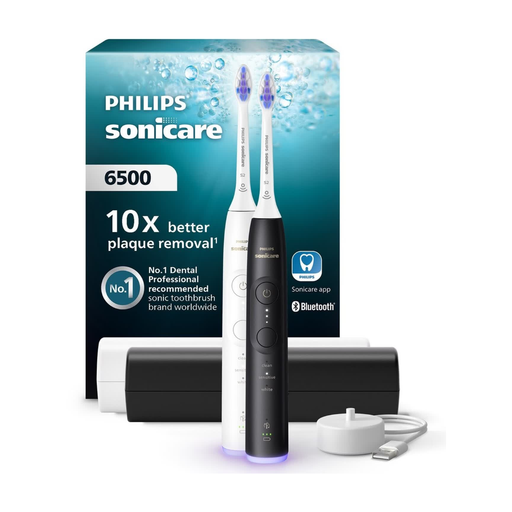
Why It Stands Out: This duo pack is ideal for couples or families. The sonic toothbrush is equipped with features focused on a thorough yet gentle clean, including a special brush head and mode for sensitive gums.
Pros:
Who It's For: For users with sensitive gums who are looking for a complete set for two people. It's also a great choice if you value app guidance to improve your brushing routine.
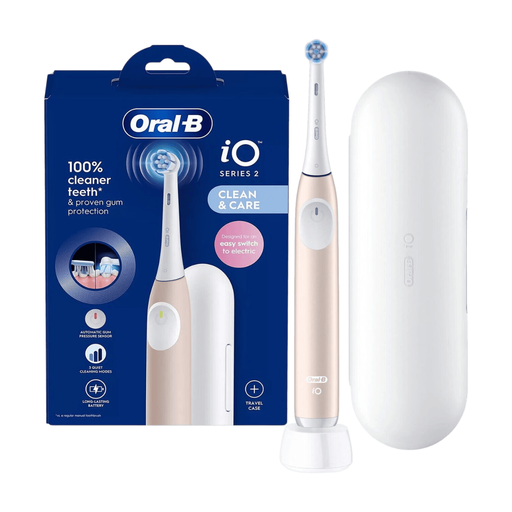
Why It Stands Out: The Oral-B iO Series 2 uses the brand's proprietary magnetic iO technology, which combines micro-vibrations with the round brush head. This model is designed as an accessible introduction to this technology.
Pros:
Who It's For: An excellent option for those switching from a manual toothbrush or an older electric model. The visual feedback from the pressure sensor is particularly helpful for beginners.
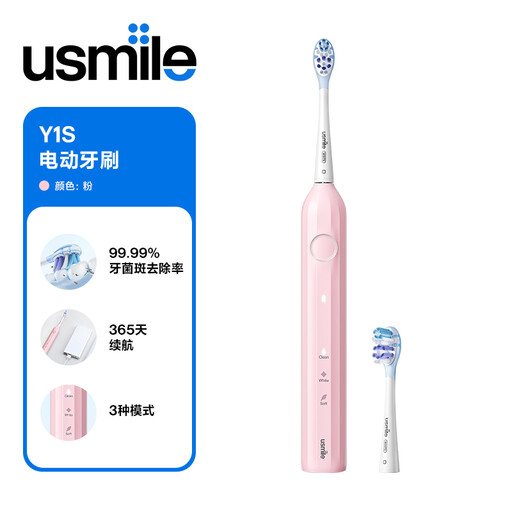
Why It Stands Out: The battery life. According to the manufacturer, this rechargeable toothbrush lasts up to 180 days on a single full charge. This makes it an exceptional choice for travellers or anyone who dislikes frequent charging.
Pros:
Who It's For: The ideal electric toothbrush for travel. Also perfect for anyone looking for a minimalist solution without a permanent charger in the bathroom.
Not all models come with a case as standard. If good protection on the go is a priority for you, it's worth looking specifically for models that include this accessory.
? Check out our selection of toothbrushes with a travel case.
A sonic toothbrush (like Philips Sonicare) has a vibrating, elongated brush head, similar to a manual toothbrush. A rotating toothbrush (like Oral-B) has a small, round head that rotates and pulsates. The choice is personal; both technologies are designed to effectively remove plaque.
Most manufacturers, including Philips and Oral-B, recommend replacing the brush head every three months. Some toothbrushes have an indicator (fading bristles or an app notification) to let you know when it's time for a new one.
Yes, many electric toothbrushes are actually very suitable for sensitive gums. Choose a model with a dedicated mode for sensitive teeth and a pressure sensor. These features help you brush gently and with the right amount of pressure, which can reduce irritation.
