
Vandaag of morgen in huis

Kwaliteit gegarandeerd

Welkomstaanbiedingen ontgrendelen: GRATIS bezorging | Tot 80% korting | Gratis 30 dagen JoyPlus-proefperiode
Download de app
An electric toothbrush can be useful if you want to brush more regularly, for longer or in a more systematic way. However, not every model is automatically suitable for your teeth, household or daily routine. Some products focus mainly on a high number of movements per minute, while important features such as a pressure sensor, replacement brush heads or the charging method are mentioned less clearly.
So don’t focus only on smart features or eye-catching design. Pay particular attention to verifiable specifications, the accessories included and the maintenance the device requires.
Brands often mention thousands of movements per minute. This is a technical specification, but it doesn’t tell you how comfortable the handle is, how well it fits in your hand or which brushing modes are available. A sonic electric toothbrush with a lower stated number of movements may be better suited to your needs than a model with a higher figure.
Some brands claim, based on their own research, that microbubbles or specific movement patterns provide extra-thorough cleaning. Treat such statements as brand information rather than a guaranteed result. Your brushing technique, the brush head and regular replacement remain important.
A waterproof electric toothbrush is practical in the bathroom, but IP ratings have their limits. IPX7 generally means protection during temporary immersion under the stated test conditions; IPX8 refers to protection under conditions specified by the manufacturer. This does not automatically make a device suitable for prolonged use in the shower.
For models with USB-C, the charging port must be completely dry before you connect the cable. Also check that any protective cover is properly closed. This helps prevent problems with charging and the electronics.
A rechargeable toothbrush that lasts for months on a single charge is convenient when travelling. However, check how many brush heads are included and whether replacements are readily available. A low purchase price can become less appealing if compatible brush heads are hard to find or relatively expensive.
A model with multiple modes can be useful in a household where people have different preferences. Options might include daily cleaning, whitening, a gentle mode or gum care. Pay attention to the difference between brushing modes and intensity levels: five modes do not always mean five separate speed settings.
A gentle mode can be comfortable for sensitive teeth. However, there is no universal setting that suits every mouth. If sensitivity or irritation persists, speaking to a dentist is wiser than repeatedly choosing a more powerful device.
A toothbrush with a timer often gives a signal after thirty seconds to prompt you to move to another area, then stops after two minutes. This helps you distribute your brushing time more evenly.
A toothbrush with a pressure sensor warns you when you are pressing too hard. Some models then automatically reduce the intensity. Check the product information to confirm whether it has a genuine pressure sensor or merely a general brushing warning. Not every smart display measures the pressure being applied.
Compare the stated usage time under the same conditions. A model advertised as lasting “up to 180 days” may perform differently in practice, depending on the brushing mode, frequency of use and battery condition. A USB-C connection is convenient if you already use compatible cables, but only charge the toothbrush with a suitable power source and a dry connection.
A toothbrush with a travel case is particularly practical if the case protects the brush head and prevents the device from switching on accidentally. Also check the size of the case if you often travel with hand luggage.
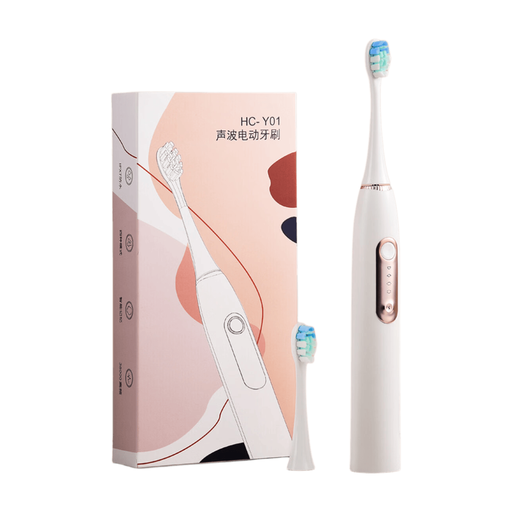
Why it suits this profile: This model provides a straightforward starting point for anyone switching to electric brushing for the first time and looking for the convenience of USB-C charging.
The product information specifically mentions a two-minute timer, a thirty-second interval signal and IPX7 water resistance, rather than relying solely on general cleaning claims.
Stated 40,000 movements per minute, Type-C charging and a two-minute timer with a 30-second reminder.
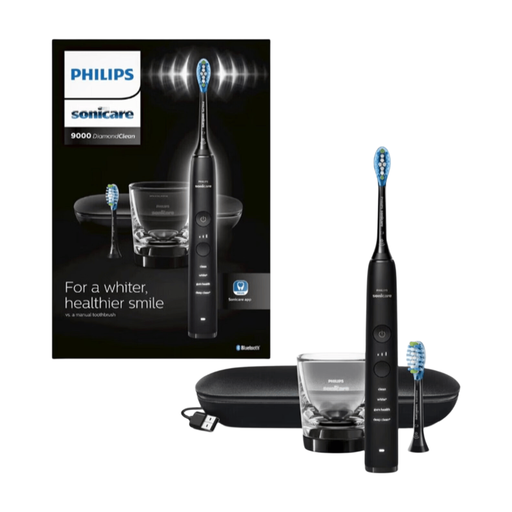
Why it suits this profile: Suitable for users who value multiple modes, app connectivity, accessories and feedback while brushing.
The specifications list four brushing modes, Bluetooth, a pressure sensor, a timer, two brush heads and a travel case. According to Philips’ own research, the stated stain-removal performance is a brand-specific claim.
Stated 62,000 brushing movements per minute, four modes and a pressure sensor.
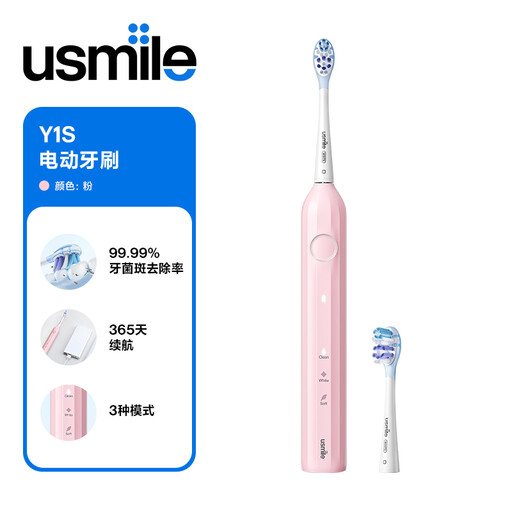
Why it suits this profile: A practical choice for frequent travellers or users who don’t want to charge often and need a travel case.
The battery claim is linked to a specific usage time of up to 180 days. However, check the charge level and keep the USB-C port dry before charging.
Three brushing modes, a timer with thirty-second intervals, USB-C charging and an included travel case.
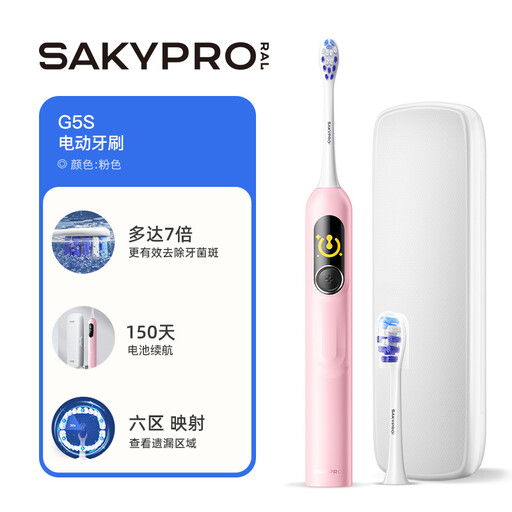
Why it suits this profile: The LED display and brushing map can help teenagers switch more consciously between different areas of the mouth.
Alongside the smart feature, the product description specifies a three-minute timer and a travel case. Keep small parts out of the reach of young children.
Stated battery life of 150 days, LED screen, real-time brushing map and included travel case.
We’ve put together a complete, up-to-date list of products that fully meet these strict selection criteria and the applicable European safety regulations.
This mainly depends on the purchase price, charging costs and brush heads. A rechargeable toothbrush generally uses very little electricity, but replacement brush heads are an ongoing expense. So don’t compare only the price of the handle; also consider the price and availability of compatible brush heads.
Battery life per charge varies considerably: some models state around sixty days, while others claim up to 150 or 180 days. The overall lifespan of the device depends on the battery condition, charging habits, exposure to water and daily maintenance. A battery that lasts for less time than it used to is a normal sign of wear.
First charge the handle fully, attach the brush head and apply a small amount of toothpaste. Choose a suitable brushing mode and hold the brush at an angle of approximately 45 degrees towards the gumline. Follow the timer and don’t press hard. If you experience pain, bleeding gums or persistent sensitivity, consult a dentist.
