
Vandaag of morgen in huis

Kwaliteit gegarandeerd

Welkomstaanbiedingen ontgrendelen: GRATIS bezorging | Tot 80% korting | Gratis 30 dagen JoyPlus-proefperiode
Download de app
Switching to an electric toothbrush feels like a logical step towards better oral hygiene. But the market is saturated with models full of promises, from "AI coaching" to "revolutionary cleaning." Many of these features drive up the price without offering much practical value. Before you invest, it's wise to know what to look for to avoid paying for marketing hype.
As a Joybuy Product Recommendation Officer, I see which specifications truly matter every day. Here are the most common pitfalls and how to avoid them.
To make a smart choice, it's better to focus on the fundamental technical aspects that directly contribute to a better cleaning result. These are the three most important factors.
The technology determines how the brush cleans. Neither is inherently better; it's a matter of personal preference.
Instead of complex AI, there are two simple features that will genuinely improve your brushing routine:
A rechargeable toothbrush is the standard, but pay attention to the details. A long battery life is convenient for travel, but also consider the charging method. More and more models are using a standard USB connection, which is more practical than a proprietary charging base. Battery-operated models, like the Oral-B Pulsar, are an option for those who want to brush electrically occasionally without the hassle of charging.
Based on objective specifications, we have selected several models that suit different user profiles and avoid the pitfalls mentioned.
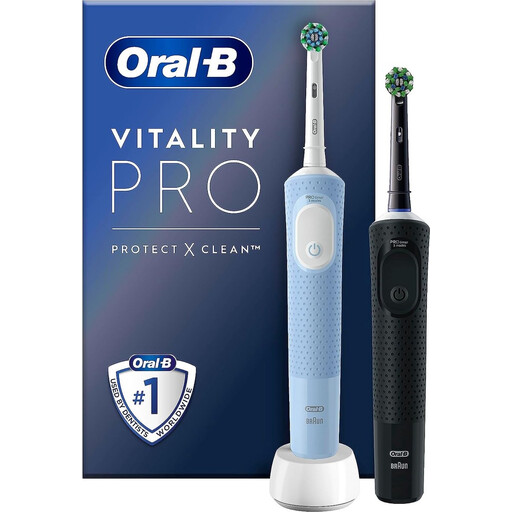
Why This Fits Their Persona: Ideal for those seeking a reliable upgrade without paying for extras. This duo pack offers excellent value for money and focuses on the core essential: effective cleaning.
This model has no superfluous app connectivity. It focuses on proven 2D cleaning technology and the essential timer. Furthermore, the replacement heads are widely available and affordable.
Includes 3 brushing modes, including one for sensitive teeth. The built-in timer helps you brush for the recommended 2 minutes.
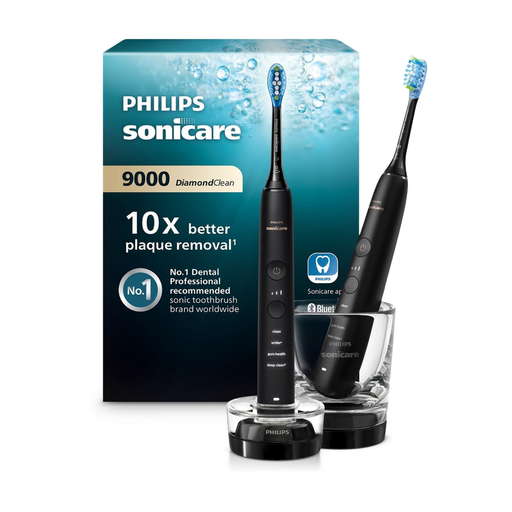
Why This Fits Their Persona: For those looking for advanced, yet functional technology. This model combines powerful sonic cleaning with smart features that genuinely help improve brushing technique.
The 'smart' features, like the pressure sensor and the BrushSync replacement reminder, are practical and results-oriented, not gimmicky. The app provides useful feedback instead of overwhelming data.
Features 4 brushing modes and 3 intensities for a personalized clean. The built-in pressure sensor actively protects your gums.
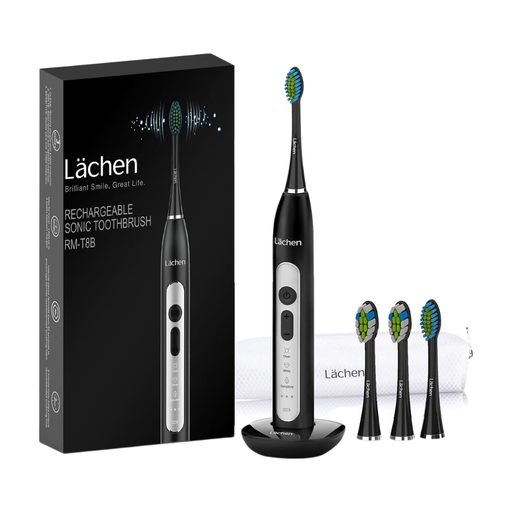
Why This Fits Their Persona: Perfect for those who are frequently on the go or simply don't want to charge often. The combination of an extremely long battery life, USB charging, and an included travel case makes this a highly practical choice.
This model directly addresses the pitfall of unrealistic battery claims. The manufacturer specifies a usage time of up to 60 days, and charging via a universal USB cable is far more convenient than a proprietary charger.
Very long battery life (up to 60 days). Offers 9 brushing settings (3 modes, 3 intensities) and comes with a travel case.
We have compiled a complete, up-to-date list of products that meet these strict selection criteria.
The general guideline is to replace the brush head every three months, or sooner if the bristles are visibly frayed. Many modern toothbrushes have a built-in reminder. For example, some Oral-B brushes have bristles that change color, and Philips Sonicare models with BrushSync technology give a signal when it's time for a new head. Regular replacement is crucial for hygiene and effectiveness.
Neither technology is objectively "better." The choice depends on personal preference. Rotating brushes (like most from Oral-B) excel at tooth-by-tooth polishing. Sonic brushes (like Philips Sonicare) use rapid vibrations to move fluid between the teeth, which provides a different kind of clean feeling. It can be helpful to consult with your dentist about which technology is best suited for your teeth.
Yes, an electric toothbrush can actually be very suitable. In that case, specifically choose a model with a pressure sensor and a special mode for sensitive gums. The sensor prevents you from pressing too hard, one of the main causes of gum irritation. The gentle mode cleans effectively but with less intensity.
