
Grout and stain cleaner
You mainly want to tackle stubborn dirt in specific spots and would benefit more from a suitable small brush than a wide mop head.


For a few grout lines or stains, a targeted electric scrubber is a good fit; for regular cleaning of the whole floor, an electric mop is the more obvious choice. A floor cleaner that picks up both wet and dry dirt could work if you often want to tackle both, but it needs space and regular maintenance. Check that the brush, pad or cleaning method is suitable for your tile finish: Philips lists only untextured tiles as suitable for the OneUp.
You mainly want to tackle stubborn dirt in specific spots and would benefit more from a suitable small brush than a wide mop head.
You clean the whole tiled floor often and want to weigh up whether rotating pads or separate clean and dirty water suit your routine.
You want to manoeuvre around furniture and need somewhere to store the appliance, pads and any tanks; size and maintenance matter.
First decide whether your main task is spot-scrubbing or cleaning the whole floor. Then consider the tile finish, the storage space you need and the maintenance involved.
| Consideration | What to look for | Who is this important for? |
|---|---|---|
| Grout and localised stains | Check whether the right detail or grout brush is included and whether you need to pick up dirt or rinse water yourself afterwards. | If I mainly want to tackle grout and stains, I’m looking for a suitable brush and will factor in clearing away loose dirt; around 31% of consumers make targeted scrubbing their top buying priority. |
| Regular mopping of the whole floor | Compare the spray function, any dirty-water collection and pad maintenance; also check whether the tile texture is suitable. | I want to clean the whole floor regularly and keep my mopping routine simple; around 25% of consumers prioritise regular floor care. |
| Manoeuvrability and storage | Check the model’s dimensions and turning range, and allow space for the charger, pads and any tanks. | With limited storage, I want to move around furniture and store the parts conveniently; around 25% of consumers give compact practicality top priority. |
| Protecting the tile finish | Establish whether the tile is polished or textured, and check which brushes, pads and cleaners are permitted by the floor and appliance instructions. | With porcelain tiles, I don’t want to damage the finish and will first check which cleaning method is suitable; around 19% of consumers prioritise protecting the tile finish. |
A handheld brush is designed for spot cleaning; it won’t automatically pick up loosened dirt or rinse water.
Before choosing, decide whether your main task is cleaning grout and stains or the whole floor.
Atlas Concorde advises against using hard brushes on polished porcelain. Kärcher limits its stone roller to non-delicate hard floors.
Check the floor and appliance instructions, and test your chosen method carefully in an inconspicuous area.
Consumentenbond recommends regularly maintaining the dirty-water tank, roller and filter, even on appliances with a self-cleaning function.
Factor in emptying, rinsing and drying the parts when choosing, especially if you have limited storage space.
A handy option for spot-cleaning tiles and grout.
A model-specific stone roller for ceramic tiles and grout on a suitable floor.
An electric mop for regular cleaning of floors suited to the model.
A cordless spray mop with rotating microfibre pads for hard floors.
The picks below focus on cleaning the whole floor, tackling wet and/or dry dirt, plus a steam mop. Check that each model is suitable for your tile finish and grout, and follow any steam-cleaning instructions.
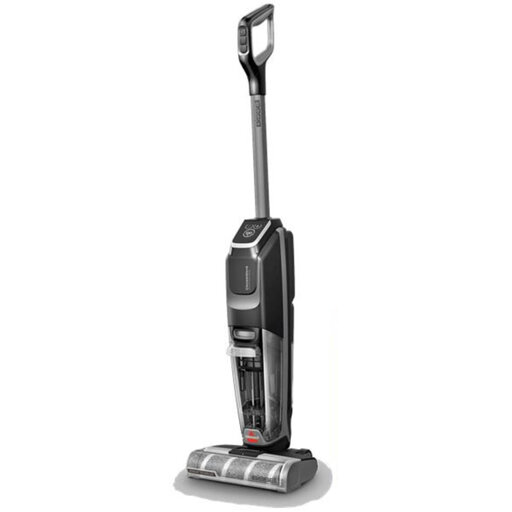 No image available
A good fit for a cleaning routine that tackles both wet and dry dirt on the floor; the product information lists Power Vac and Power Mop modes.
The product information describes clean- and dirty-water tanks. The self-cleaning function cleans the brush roll and interior; the instructions say to store the appliance on its station after use.
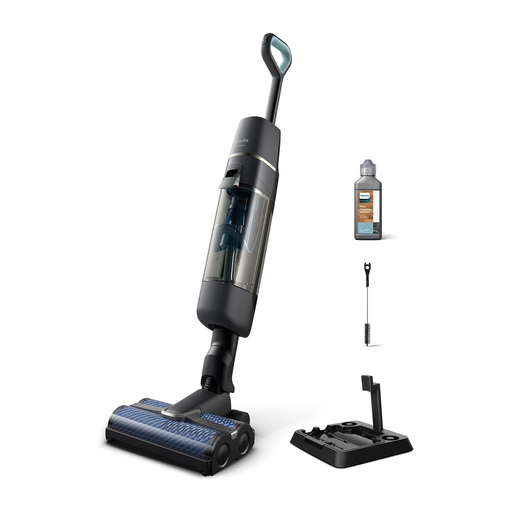 No image available
An option if you want to combine vacuuming and mopping; the product information describes simultaneous floor cleaning and a separate dirty-water tank.
According to the instructions, both water tanks must be emptied and rinsed after use; the brushes and filters need regular maintenance.
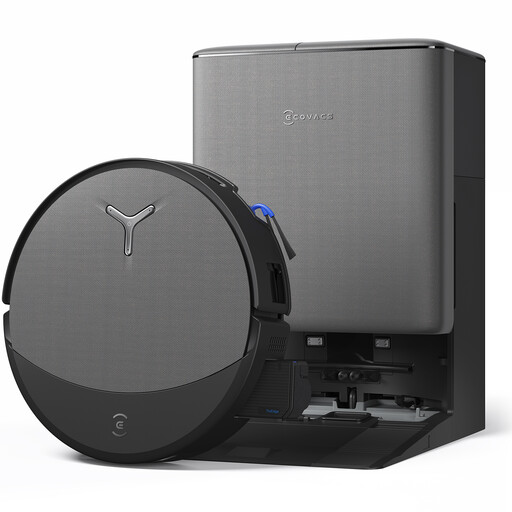 No image available
For floor care that includes robot mopping; the product information describes a self-washing mopping system and automatic dirty-water disposal.
The product name includes an All-in-One OMNI Station. Check that the robot and mopping function suit your tile and grout care needs.
 No image available
An option if you want to combine robot vacuuming and mopping; the product information lists two rotating mops.
The product information describes a station that washes and dries the mops and tops up the water. Check that it is suitable for your tile finish and grout.
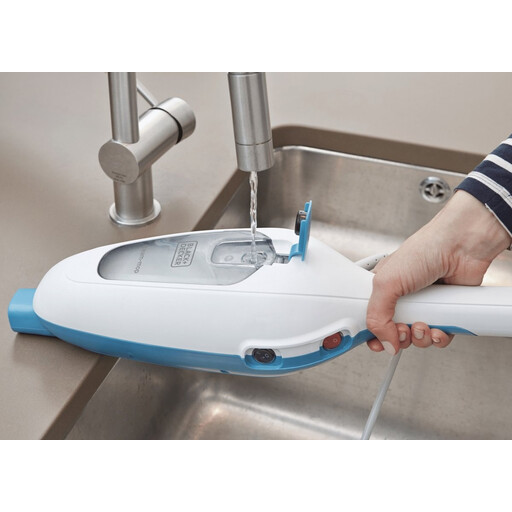 No image available
According to the product information, this steam mop is designed for sealed hard floors; check whether your tile and grout instructions allow steam cleaning.
The product warning says to use only clean water in the tank and not to add chemicals or cleaning products.
Don’t use a hard brush or scouring powder on polished porcelain: Atlas Concorde advises against it. Follow the instructions for your floor and the attachment you choose, too.
For the OneUp XV3101/01, Philips lists untextured tiles as suitable. This doesn’t mean textured tiles are suitable; check the instructions for the exact model and your floor.
According to Consumentenbond, the dirty-water tank, roller and filter in a wet-and-dry floor cleaner should be emptied, rinsed and dried regularly; self-cleaning doesn’t remove the need for this maintenance altogether. Vileda says the Looper pads are machine-washable.
The Netherlands Food and Consumer Product Safety Authority states that CE marking is mandatory for electrical consumer products placed on the market in the Netherlands. Check the marking on the specific appliance; on its own, it says nothing about cleaning performance.
In the Netherlands, you’re entitled to a product that conforms to the sales agreement; if a product is faulty, the seller must provide an appropriate solution. According to the Dutch government, there isn’t a fixed statutory two-year guarantee period for every product.