
Vandaag of morgen in huis

Kwaliteit gegarandeerd

Welkomstaanbiedingen ontgrendelen: GRATIS bezorging | Tot 80% korting | Gratis 30 dagen JoyPlus-proefperiode
Download de app
Long days behind a computer? Chances are, your back, neck, and shoulders are protesting by the end of the day. An electric sit-stand desk is often seen as the solution for a more comfortable and dynamic workday. But the market is flooded with models that all look the same at first glance. Unfortunately, there are hidden pitfalls.
Before you invest in a new workspace, it's crucial to know the common traps. Many desks suffer from design flaws that only become apparent after a few months of use. These are the three most common problems to watch out for.
To avoid buyer's remorse, it's wise to look beyond the marketing promises. Focus on a few objective specifications that determine the quality and usability of an electric desk.
The foundation of a good ergonomic desk is stability. This starts with the frame. A frame made of solid steel provides a sturdy base that minimises vibrations, even at maximum height. Also, pay attention to the maximum static load capacity. A capacity of 70 kg is a good benchmark for a standard home office setup with a laptop, one or two monitors, and other accessories. This ensures the desk remains stable, regardless of the load.
The motor is the heart of your electric desk. A quality motor not only operates smoothly but also quietly. A noise level below 50 decibels during adjustment is considered quiet, comparable to a calm office environment.
The controls make all the difference in daily use. A desk with a memory function is a very practical addition. It allows you to save your ideal sitting and standing heights, so you can switch with a single button press. Some models offer extra convenience with a built-in desk with a USB-C port, allowing you to charge your phone or other devices directly from your desk.
The size of the desktop is a personal, yet crucial, choice. Measure your available space and consider everything you need to fit on your desk. A sit-stand desk 140x60 cm is a popular and versatile size for most remote workers. Do you have multiple large monitors or a lot of peripherals? Then consider a wider model of 160 cm or even 180 cm. A desk that's too small quickly leads to a cluttered and impractical workspace.
Based on these objective criteria, we have selected a number of models that suit different user profiles.
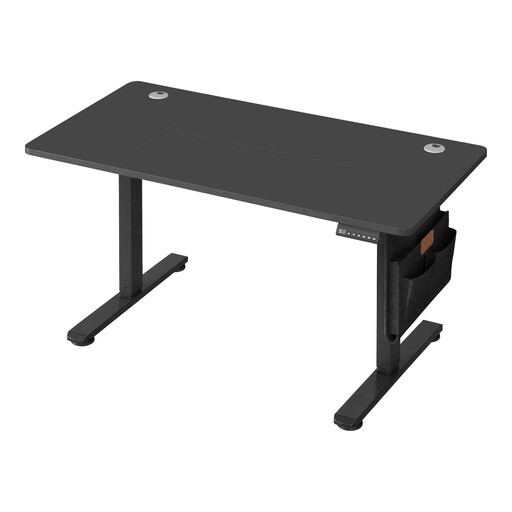
Why it's a match for this profile: This desk is a practical all-rounder for the modern remote worker. The 140x60 cm size offers ample space without being overpowering, and the combination of convenient features makes for an efficient workspace.
The steel frame and 70 kg load capacity ensure a stable base. The motor is described as quiet and smooth, ensuring you'll actually use the sit-stand function.
The combination of a memory function, a fast-charging USB-C port, and cable management accessories (like grommets and a storage tray) creates a tidy and functional workspace.
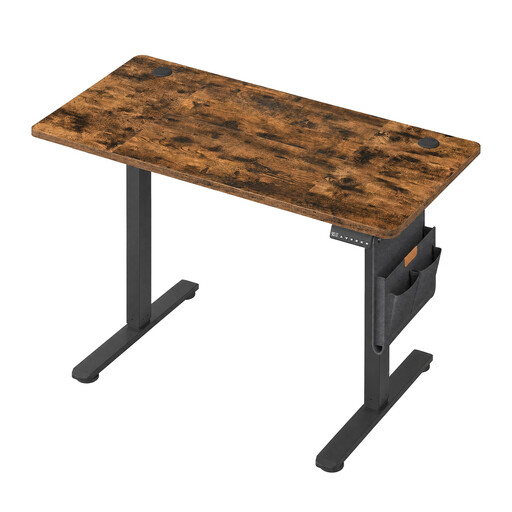
Why it's a match for this profile: Ideal for dorm rooms, studios, or smaller home offices. This desk offers full electric sit-stand functionality in a compact size, without compromising on essential features.
Despite its compact size, this desk is built with a solid steel frame and a quiet motor. It avoids the wobbliness and noise often associated with smaller or budget-friendly models.
Offers key premium features, such as four memory presets and a quiet motor, in a space-saving 120x60 cm format. Includes handy extras like a storage tray and hooks.
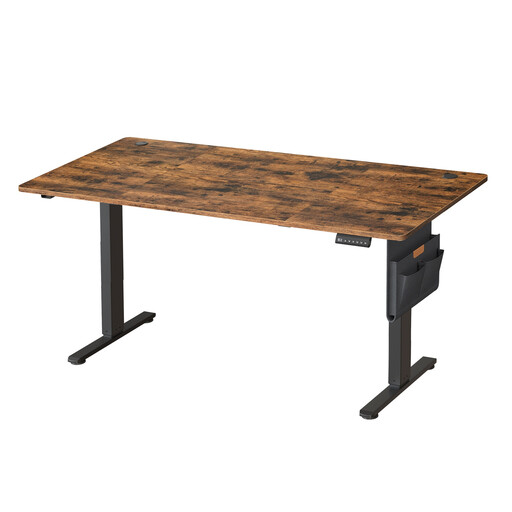
Why it's a match for this profile: For the user who can never have enough space. Gamers, creative professionals, or programmers with multiple monitors and devices will benefit from this very generous work surface.
The robust steel frame is designed to support the large desktop and a load of up to 70 kg, ensuring the desk remains stable even when fully loaded and at its highest setting.
The extra-large 180 x 80 cm work surface provides maximum space for any conceivable setup, combined with the convenience of a quiet motor and four memory presets.
We have compiled a complete, up-to-date list of products that meet these selection criteria. Find the perfect desk for your workspace.
Stability heavily depends on the construction. A model with a heavy, solid steel frame and T-shaped legs is generally more stable than a lighter model. Always check the maximum load capacity. A desk designed for 70 kg or more will feel very stable during normal use (e.g., with 20-30 kg of equipment), even at its highest setting.
Surprisingly little. An electric sit-stand desk only consumes power when the motor is active, i.e., while raising or lowering. This usually only takes a few seconds. In standby mode, the consumption is negligible, comparable to a charger left plugged in. You will hardly notice the difference on your annual energy bill.
For most users, yes. The convenience of a desk with a memory function ensures that you use the sit-stand feature more often. Without it, you have to manually find the right height each time, which can be a barrier. With memory presets, you can switch between your perfect sitting and standing heights with a single button press, making it easier to maintain an active work posture.
