
Vandaag of morgen in huis

Kwaliteit gegarandeerd

Welkomstaanbiedingen ontgrendelen: GRATIS bezorging | Tot 80% korting | Gratis 30 dagen JoyPlus-proefperiode
Download de app
Assembling new IKEA furniture, building a PC, or tightening a loose door handle. We all know those jobs where a manual screwdriver is just too much effort, but a heavy-duty drill feels like overkill. For these exact moments, an electric screwdriver is the ideal solution.
As a Joybuy Product Recommendation Officer, I'm here to help you navigate the options. In this article, I'll provide practical tips and introduce several popular choices based on their specifications and features. This will empower you to make an informed decision that suits your projects.
Before you make a choice, it's helpful to know which specifications matter. Here are three key points to consider.
Torque, expressed in Newton-metres (Nm), indicates the screwdriver's turning power. For light-duty tasks like assembling a PC or driving screws into softwood, a torque of 3 to 4 Nm is often sufficient. For assembling furniture or other jobs that require more force, a model with 5 Nm or more is a better choice. Some models offer adjustable torque, which is useful for preventing you from over-tightening screws in delicate materials. The speed, expressed in rotations per minute (RPM), determines how quickly the screw is driven. A speed of around 240 RPM is a good baseline for most jobs.
A cordless screwdriver offers maximum freedom of movement. Pay attention to the battery capacity, expressed in milliampere-hours (mAh). A 2000mAh battery typically provides enough power to drive hundreds of screws on a single charge. A modern rechargeable screwdriver is often equipped with a USB-C port. This is practical, as you can use the same cable as your phone or other devices.
A good screwdriver bit set makes your tool ready for various tasks right out of the box. Check which bits are included. Sets with S2 steel bits are known for their durability and wear resistance. A convenient storage bag or case is a plus, helping you keep everything neatly organised. A mini screwdriver set is often quite comprehensive, meaning you won't need to purchase extra bits for most common household jobs.
Based on specifications and functionality, we've highlighted a few interesting models for you.
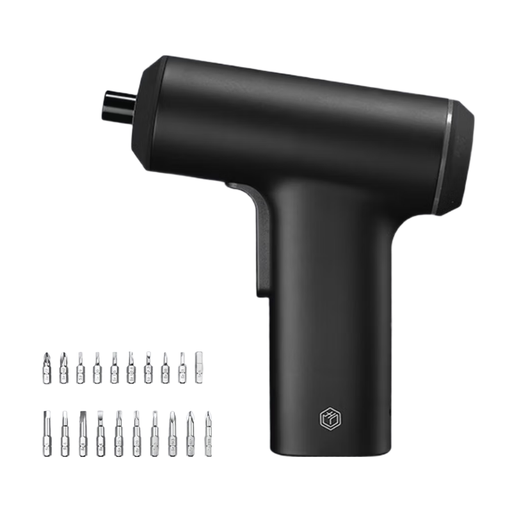
Why It Stands Out: This model combines a sleek, minimalist design with intuitive operation. The touch-sensitive buttons for changing rotation direction are a modern touch and prevent accidental direction changes.
Pros:
Who Is It For? Ideal for the design-conscious DIYer looking for a compact and user-friendly tool for furniture assembly and quick repairs in and around the house.
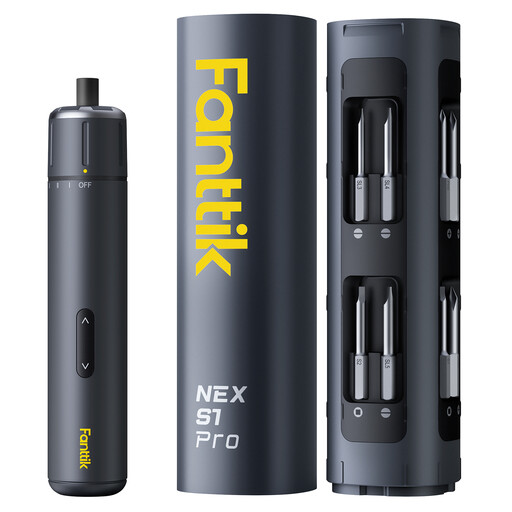
Why It Stands Out: The Fanttik S1 Pro focuses on precision and control with its three adjustable torque settings. The magnetic aluminum storage case with a pop-up mechanism provides a premium feel and keeps everything organised.
Pros:
Who Is It For? Perfect for the tech enthusiast engaged in PC building or electronics repair, as well as for anyone looking for a powerful and precisely adjustable cordless screwdriver.
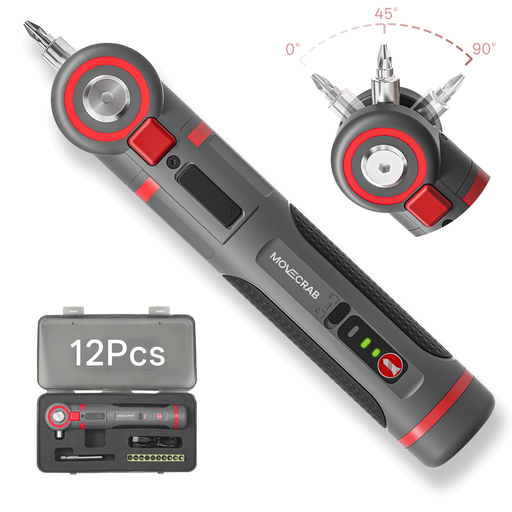
Why It Stands Out: The adjustable head (0°, 45°, and 90°) makes this model exceptionally flexible. It allows you to reach screws in places a straight screwdriver can't access.
Pros:
Who Is It For? The ideal choice for DIYers who often work in awkward angles or tight spaces, such as when assembling cabinets or performing repairs under a desk.
Is your task even more delicate, like repairing a smartphone, laptop, or glasses? Then you might need a tool designed for even smaller and more intricate work. For these kinds of specialised tasks, a precision screwdriver is often a better fit.
Check out our selection of precision screwdrivers for tools specifically designed for the finest screw work.
What is the difference between an electric screwdriver and a cordless drill? The main difference is power and function. An electric screwdriver is designed for driving and removing screws and is lighter and more compact. A cordless drill has much higher torque and speed, making it suitable for drilling holes in materials like wood, metal, and stone.
How much torque (Nm) do I need? This depends on the job. For assembling electronics or PC building, 2-4 Nm is sufficient. For assembling furniture or other general tasks, 5 Nm or more is recommended. A model with adjustable torque gives you the most flexibility.
Can I use an electric screwdriver for drilling? Generally, no. Most electric screwdrivers lack the speed and power needed to drill effectively, especially in hard materials. They are specifically designed for driving screws. For drilling, a cordless drill is the right choice.
