Vandaag of morgen in huis

Kwaliteit gegarandeerd

Welkomstaanbiedingen ontgrendelen: GRATIS bezorging | Tot 80% korting | Gratis 30 dagen JoyPlus-proefperiode
Download de app
A stripped screw in a new piece of furniture, or an overpowered tool damaging the delicate plastic of your laptop. Choosing the wrong tool often leads to frustration and extra work. A good electric screwdriver is tailored to the task, whether you're building a PC, assembling a cabinet, or repairing a smartphone. This guide will help you understand the specifications and find a model that suits your projects.
The market for electric screwdrivers is diverse. To avoid making the wrong choice, it's helpful to base your decision on a few objective criteria.
Torque, measured in Newton-metres (Nm), indicates the screwdriver's rotational force. The wrong amount of torque can damage your workpiece.
A cordless screwdriver offers freedom of movement. The capacity, measured in milliampere-hours (mAh), determines how long you can work on a full charge. A capacity of around 2000 mAh is more than sufficient for most tasks. Also, pay attention to the charging method. A rechargeable screwdriver with a USB-C port is practical, as you can use the same cable as for many of your other devices.
The included bits determine the screwdriver's versatility. A comprehensive set, often made of durable S2 steel, makes the tool suitable for various screw heads. A mini electric screwdriver set for electronics typically includes many small, specialised bits. Magnetic bit holders and bits are a practical advantage, preventing screws from being dropped in hard-to-reach places.
Good LED lighting around the head of the screwdriver is essential when working in dark cabinets or deep casings. Some models offer an adjustable head, which is useful for working at awkward angles. A quality storage case keeps everything organised and protected.
Based on the criteria above, we have selected several models that excel in their specific areas of application.
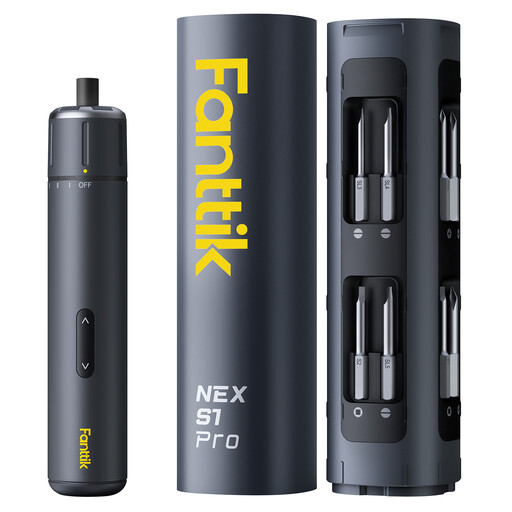
Why we chose it: The Fanttik S1 Pro combines significant torque with a robust build. Its motor delivers three adjustable torque settings (1.5, 3, and 4.2 Nm) and a maximum hard torque of 6 Nm, making it suitable for more than just light-duty tasks. The magnetic aluminium storage case is both functional and durable.
Advantages:
Best for: This is an excellent all-rounder for the serious DIY enthusiast. Ideal as a screwdriver for PC building, furniture assembly, and other jobs around the house that require a bit more power.
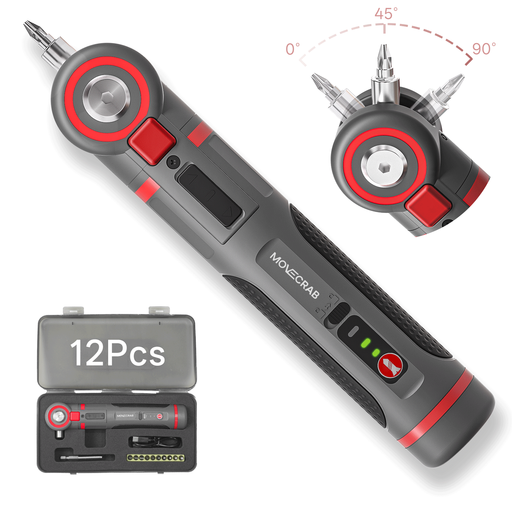
Why we chose it: The key feature of the MOVECRAB is its adjustable head, which can be set to 0°, 45°, and 90°. This allows you to work in tight or awkward spaces where a straight screwdriver can't reach.
Advantages:
Best for: The ideal choice for anyone who frequently needs to drive screws in difficult positions, such as when repairing appliances or assembling furniture with complex angles.
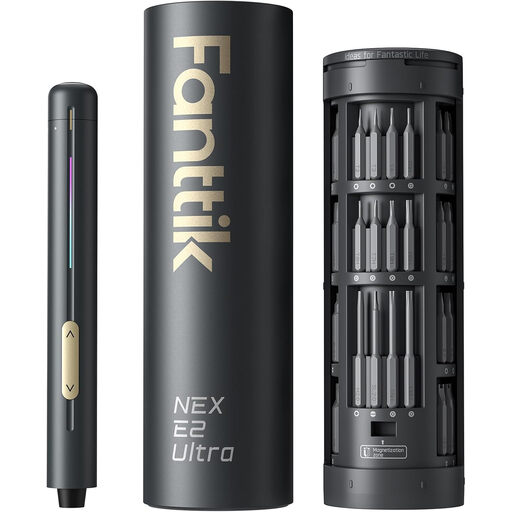
Why we chose it: The Fanttik E2 Ultra is a precision screwdriver through and through. With five very low torque settings, starting at just 0.05 Nm, this tool is designed for the most delicate tasks. The set comes with 50 precision bits, making it a complete solution for fine mechanical work.
Advantages:
Best for: This model is specifically designed for electronics repair. It's perfect for hobbyists and professionals working on smartphones, laptops, cameras, watches, and other small devices where precision is crucial.
The screwdrivers listed above are aimed at specific applications. If your project requires different tools, you can browse a wider overview of our range in our main categories. For an overview of various tools and other products, check out our platvis category.
1. How much Nm of torque do I need for an electric screwdriver? For most household jobs, like furniture assembly (think IKEA), a torque between 3 and 5 Nm is sufficient. For repairing delicate electronics like a laptop or smartphone, you need a much lower torque, often below 1 Nm, to prevent damage.
2. What is the difference between an electric screwdriver and a cordless drill? An electric screwdriver is primarily designed for driving and removing screws. It has a lower speed and a lower, but more precisely adjustable, torque. A cordless drill has a much higher speed and torque and is designed for drilling into materials like wood, metal, or stone. While you can also drive screws with a cordless drill, the risk of damaging the screw or the workpiece is much higher due to its greater power.
3. Can I use an electric screwdriver to build a PC? Yes, an electric screwdriver is very well-suited for building a PC. Choose a model with adjustable torque. Use a low torque setting to secure the motherboard and other components to avoid damaging the circuit board. For the case screws, you can use a slightly higher setting. A model with magnetic bits is especially useful for this.
Written by the Joybuy Product Recommendation Officer.