
Vandaag of morgen in huis

Kwaliteit gegarandeerd

Welkomstaanbiedingen ontgrendelen: GRATIS bezorging | Tot 80% korting | Gratis 30 dagen JoyPlus-proefperiode
Download de app
An electric ride-on car is often a dream gift. The look of joy on a child's face while unwrapping it is unforgettable. But before that moment arrives, you, as a parent or grandparent, have a choice to make. Which model is the right fit? Is it safe? And what do all those specifications, like 12V or 24V, actually mean?
The market for electric toys is vast, and it can be challenging to see past the marketing jargon. That's why we've created this guide. Here, we provide practical, objective information to help you make an informed decision. We focus on safety, functionality, and, of course, pure fun.
Before we present our recommendations for 2026, here are a few key points to consider. These will help you better understand the specifications of a kids' battery-powered car.
One of the most important features for young children is the ride-on car with a remote control. This allows you, as a parent, to steer the car from a distance and intervene when necessary. You can adjust the speed, take over steering, and stop the car instantly. This provides peace of mind, especially if your child is too young to drive independently or is playing in a busier area. Also, look for features like a 'soft start' function, which ensures the car accelerates smoothly without jolts, and the presence of seat belts.
The battery's voltage largely determines the power and speed of the electric toy car.
Do you have two children who love to play together, or do friends often come over? In that case, a 2-seater electric ride-on car is an excellent consideration. These models have a higher maximum weight capacity and offer space for a driver and a passenger. This not only doubles the fun but also encourages social play. Single-seater models, on the other hand, are more compact and often a bit more agile.
Based on specifications, functionality, and user-friendliness, we've highlighted some popular choices for you.
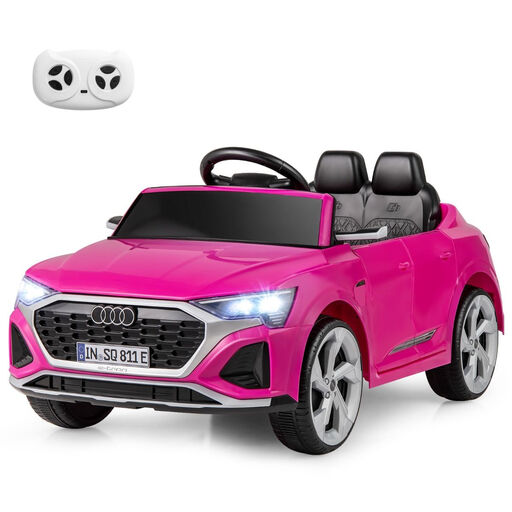
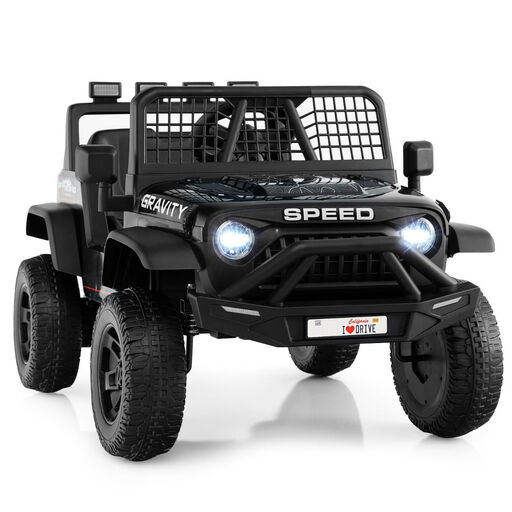
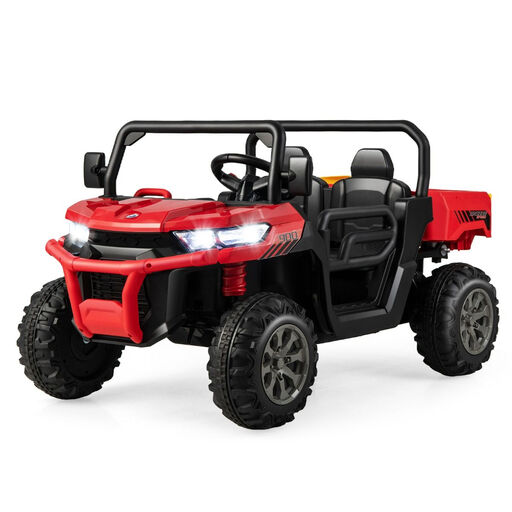
The world of ride-on toys is broad and diverse. If the models above don't quite match your needs, or if you're looking for something for a different age group, there's much more to discover.
Check out our extensive collection of Educational Tech Toys for Toddlers and Preschoolers for more inspiration and other innovative toy options.
Most electric ride-on cars are designed for children aged 3 and up. This corresponds with the development of motor skills and coordination. For the youngest drivers (around 3 years old), using the included remote control by a parent is strongly recommended. Always read the manufacturer's specific recommendations for age and weight.
The run time on a full charge typically varies between 60 and 120 minutes. This depends on several factors, such as the child's weight, the driving surface (a smooth floor consumes less energy than grass), and the use of features like lights and music. Fully charging the battery usually takes 8 to 12 hours.
Yes, a remote control adds a crucial layer of safety. It allows parents to take over when a child is heading toward an unsafe situation, is too young to steer on their own, or hasn't fully mastered the controls. The ability to stop the car remotely is a critical feature that gives many parents peace of mind.
