
Cooking for one or two
You usually make a small portion of pork stew and want a compact cooker with a proper pressure-cooking function.


For one or two people, an electric pressure cooker of around 3 to 3.8 litres is a sensible place to start, especially if you want to brown the meat first and then pressure cook it. A 6-litre model gives you more room for other dishes or extra portions, but takes up more space. Check the usable capacity and filling instructions for each model. Also check the CE marking and product documentation for the appliance on offer: according to the Dutch government, electrical appliances placed on the EU market must carry a CE marking.
You usually make a small portion of pork stew and want a compact cooker with a proper pressure-cooking function.
You want to brown the meat and aromatics first, then pressure cook them in the same appliance.
You sometimes make a small stew, but also want room for extra portions or other dishes.
| What to consider | What should you check? | Who is this important for? |
|---|---|---|
| Capacity for small portions | Compare the stated capacity with the usable capacity and fill markings of the exact model. | If I usually cook for one or two, I want to know how much stew fits within the fill limit and how much space the cooker takes up. Around 36% of consumers are mainly looking for a suitable capacity. |
| Browning and pressure cooking | Check that the model supports both sautéing and pressure cooking; the term “multicooker” alone is no confirmation. | If I want to brown the meat first and then pressure cook it in the same pot, I check that the exact version offers both functions. Around 29% of consumers prioritise this cooking method. |
| Controls and pressure release | Read the model-specific manual and check how pressure release, cleaning and maintenance of the seal and valves work. | If clear operating steps and an easy-to-maintain cooker are important to me, I pay extra attention to pressure release and the manual. Around 21% of consumers prioritise these controls and safe use. |
| Other uses and aftercare | Compare the functions you’ll actually use and check which parts and support are available for the exact model. | If I also want to use the cooker for other meals, I look beyond stew and consider the support available after purchase. This is the main priority for around 14% of consumers. |
The name “multicooker” does not confirm that the appliance can cook under electric pressure.
For the exact model, check explicitly whether it has a pressure-cooking function and, if you want to brown ingredients, a sauté function too.
The bowl’s capacity does not automatically tell you how much stew you can pressure cook. For example, Tefal lists a 6-litre bowl capacity and a usable capacity of 3.8 litres for the CY505E.
Check the fill markings and operating instructions before adapting a recipe for small portions.
Pressure cooking needs liquid to produce steam. According to Instant Pot, too little liquid can cause food to burn or trigger an error message.
Follow the liquid requirements for your model and recipe, even when making a small portion.
A title alone does not make clear whether the version on offer, its marking and the accompanying product information all match.
Before buying, check the model identity, CE marking and product documentation for the appliance actually being offered.
The 3.8-litre Classic Mini and the Duo Mini, described as a 3-litre version, are worth considering for small portions. The Duo Mini product information lists different capacities, so check the exact version.
The electric All-in-One CY505E is an option if you want to cook different quantities as well as small portions.
According to Philips, the electric 3000 Series HD2616/70 has a capacity of 6 litres, making it suitable for uses beyond small portions of stew.
This selection includes compact electric pressure cookers for small portions, as well as larger models for anyone who wants to make extra portions or other meals.
 No image available
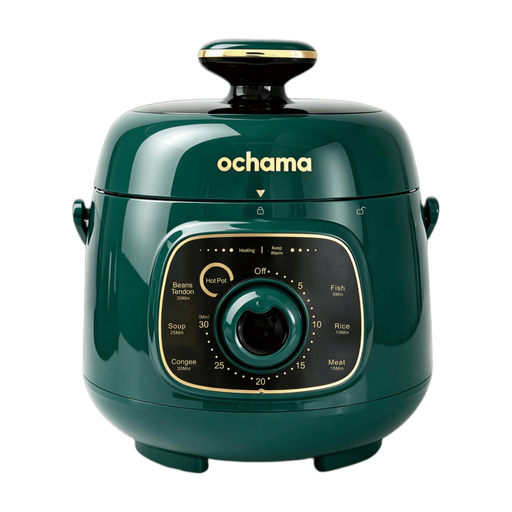
Its listed capacity of 1.8 L and suitability for 1–3 people make it a good fit for small portions.
The product name lists 70Kpa and a ceramic-coated inner pot.
Follow the fill limit and allow the pressure to release fully before opening the lid.
 No image available
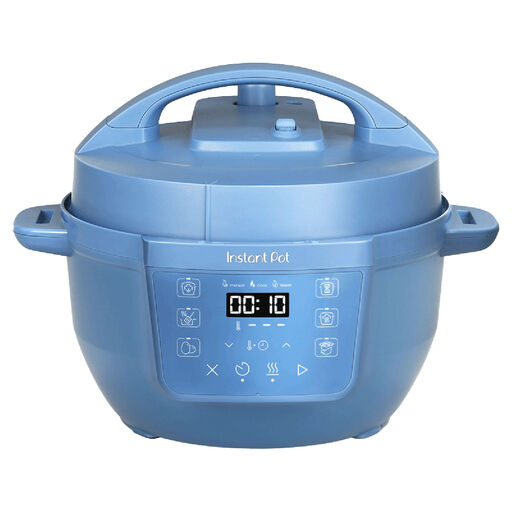
The 3.8 L version is designed for smaller portions and, according to the product information, combines sautéing with pressure cooking.
The product name also lists slow cooking and steaming.
Follow the instructions for cooking liquid and fill limits; only open the lid once the pressure has been fully released.
 No image available
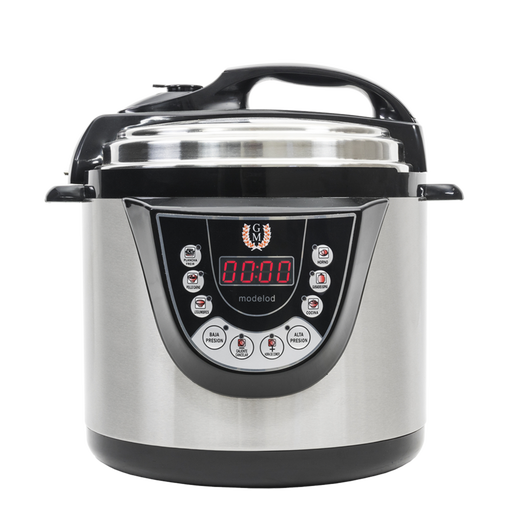
Its 6 L capacity is better suited to anyone who wants to cook larger quantities as well as stew.
The product name lists nine cooking programmes and two pressure settings.
The stated capacity and suitability for up to 12 people make this model less specifically suited to small portions.
 No image available
The 6 L capacity is most relevant if you also cook meals for several people.
The product name lists 14 cooking functions and a stainless-steel inner pot.
Its stated capacity for six to eight people makes this model less specifically suited to small portions.
 No image available
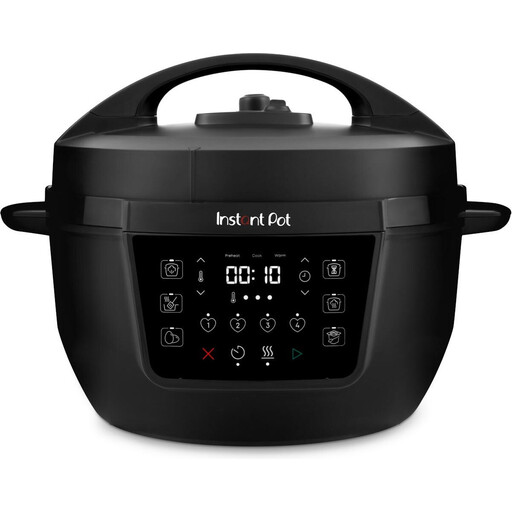
Its generous 7.1 L capacity is designed for anyone who wants to cook larger meals as well as stews.
The product information lists pressure cooking and sautéing, with a stainless-steel inner pot.
Its capacity is less suited to small portions alone.
No. The cooker’s stated capacity is not automatically the permitted fill level for pressure cooking. Follow the fill markings and manual for your version. For example, Tefal lists a 6-litre bowl capacity and a usable capacity of 3.8 litres for the CY505E.
Don’t assume so. According to Instant Pot, the pressure function needs enough liquid to produce steam; too little can cause food to burn or trigger an error message. Follow the liquid instructions for your exact model and recipe.
Follow the manual for the exact model, place the appliance on a stable, level surface and check the seal and steam vent as instructed. Don’t open the cooker while it is still under pressure.
The Dutch Nutrition Centre advises cooling leftovers quickly, storing them covered in the fridge or freezer, and not leaving them out of the fridge for more than two hours. Eat chilled leftovers within two days and heat them thoroughly before serving again.
Yes. According to the Dutch government, electrical appliances placed on the EU market must carry a CE marking. Check the marking and product documentation for the appliance actually on offer; a product title alone is not enough to confirm this.
No. According to ACM ConsuWijzer, statutory rights apply alongside any commercial seller’s or manufacturer’s warranty. If a product breaks under normal use sooner than you could reasonably expect, the seller is responsible for providing an appropriate solution.