
Cook running a group workshop
This cook wants to prepare the recipe quantity in one or more safe batches, so distinguishes between the nominal capacity and the permitted fill level.


Choose an electric pressure cooker that lets you brown ingredients and pressure cook, and check that its permitted fill level suits your recipe and group size. Compare the controls and pressure-release method too, and allow time for preparation and pressure release: the set cooking time isn’t the total workshop duration.
This cook wants to prepare the recipe quantity in one or more safe batches, so distinguishes between the nominal capacity and the permitted fill level.
This teacher wants to combine browning and pressure cooking in a clear, easy-to-explain order, allowing time for the pressure to build and release.
This host prioritises clear instructions on hot parts, steam and hygienic handling of raw meat.
First, work out how much stew you can safely cook according to the manual; then consider the lesson plan, the controls and cleaning.
| Consideration | What to look for when buying | Who should pay particular attention? |
|---|---|---|
| Usable capacity | Compare the recipe volume and number of portions with the filling instructions in the manual for the exact model. | If I’m cooking for a group, I want to know whether the recipe will fit in one safe batch; around 27% of consumers prioritise usable capacity. |
| Cooking within the lesson time | Check that the appliance can both brown ingredients and pressure cook, and allow time for preparation and pressure release too. | With a packed lesson plan, I want to explain and fit in each step clearly; around 27% of consumers prioritise the overall lesson schedule. |
| Safe operation | Read the model manual for instructions on placement, hot parts and pressure release; use separate utensils for raw meat. | If participants are helping, I want to know who will operate the appliance and how steam and raw meat will be handled safely; around 33% of consumers prioritise participant safety. |
| Cleaning and parts | Check which parts can be cleaned and whether compatible seals or inner pots are available. | For repeated use, I want to be able to clean it quickly after the workshop and find compatible parts; around 13% of consumers say ease of maintenance is their main concern. |
A capacity of, for example, 5,7 or 6 litres doesn’t tell you how much stew can be pressure cooked according to the manual. A recipe that doesn’t fit within the fill limits may need to be cooked in several batches.
First work out how much you need, then check the filling instructions in the manual for the exact model.
Extra batches can take time away from other parts of the workshop.
Tefal’s speed claim is based on a comparison with traditional cookware; the set pressure-cooking time doesn’t automatically include preparation, pressure build-up and pressure release.
Plan and try out the full recipe beforehand, including the steps outside the set cooking time.
Automatic pressure release can reduce the need to handle the valve, but escaping steam and hot parts still require care.
Assign someone to operate the cooker and follow the safety instructions for your chosen model.
The Turbo Cuisine CY7548 is worth considering if you want to brown ingredients and pressure cook in one appliance.
The 3000 Series HD2616/70 is worth looking into if automatic pressure release and sautéing are important to you.
The Duo range combines pressure cooking and sautéing; the Duo Crisp adds a separate air fryer lid for anyone who’ll use that function too.
Joybuy product picks for making pork stew at a cookery workshop, including pressure-cooking models and options with additional functions.
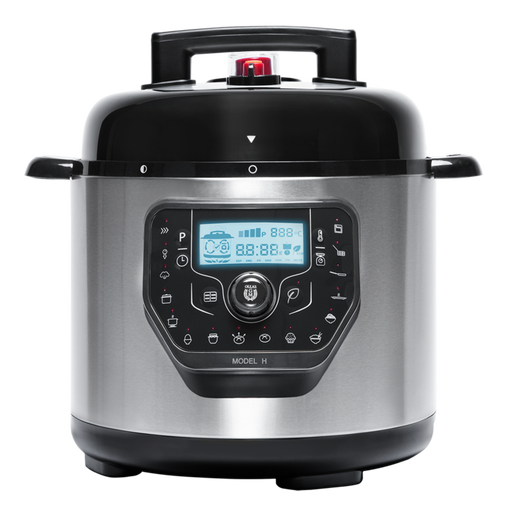 Image unavailable
The listed stewing and browning functions suit anyone who wants to combine these steps in one appliance.
The product description mentions a 24-hour timer and pressure settings up to 90 kPa.
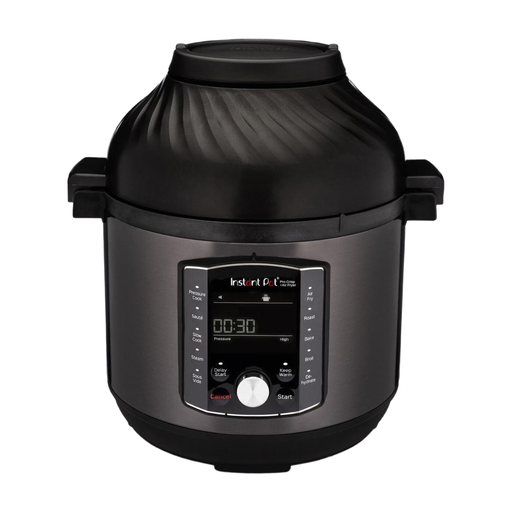 Image unavailable
This model is an option if you also want to demonstrate a separate crispy cooking method alongside stewing; you don’t need the extra lid just to make stew.
The description mentions a stainless steel inner pot, interchangeable lids and a two-thirds fill limit. Follow the model’s pressure-release instructions too.
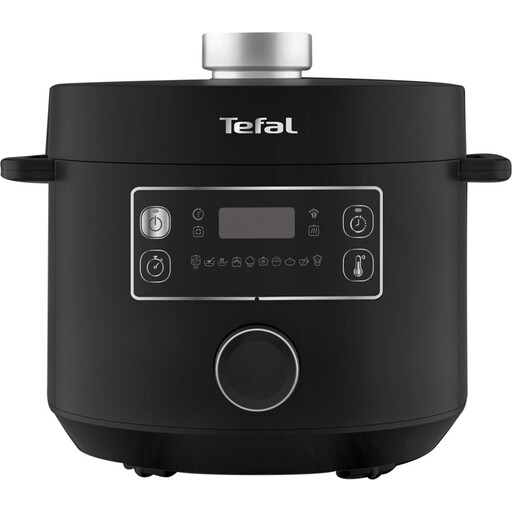 Image unavailable
The CY7548 is an option if you want to brown ingredients first and then pressure cook during the workshop.
Tefal lists ten automatic programmes and one-dial controls for this model. Don’t open the lid until the pressure has been released.
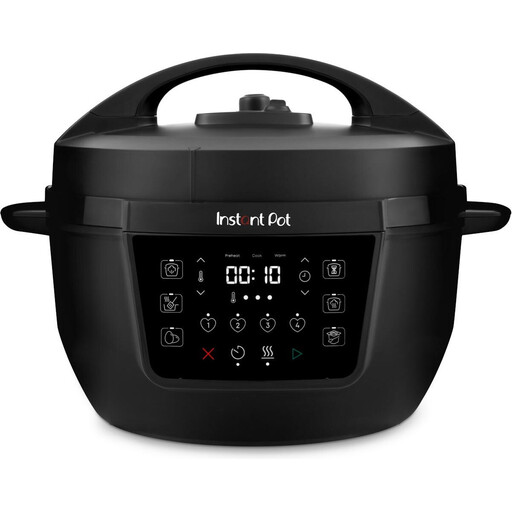 Image unavailable
This model offers both pressure cooking and sautéing, for anyone who wants to do both steps in the same pot.
The product description mentions a stainless steel inner pot. Check the manual for the permitted quantity for your recipe.
 Image unavailable
The listed Meat/Stew and sauté/sear functions are a good fit if you want to brown meat before cooking a stew.
The product name lists twelve programmes; the description also mentions a steam rack. Follow the MAX mark and the model-specific pressure instructions.
No. These are nominal product capacities. Check the manual for the exact model to find the permitted fill level and the amount of liquid required, then adjust your recipe accordingly.
Follow the manual for your chosen model. The Instant Pot Duo Plus manual says to place the cooker on a stable, level, non-combustible surface and recommends oven gloves for handling the hot inner pot; check the instructions for your own model.
Keep raw meat separate from cooked food, use clean utensils and cook meat thoroughly. The Netherlands Nutrition Centre advises cooling leftovers within two hours and eating them within two days if kept chilled.
If the organiser prepares, processes or sells food as a food business, the Netherlands Food and Consumer Product Safety Authority says they must follow an HACCP food safety plan or an appropriate hygiene code. Calling something a cookery workshop doesn’t, by itself, determine whether this requirement applies in a particular case.
CE marking alone doesn’t prove that a cooker is suitable for your recipe. The European Union states that CE marking is only required for products covered by applicable harmonised EU rules; the specific requirements depend on the product regulations.