
Cooking for a large neighbourhood group
You want to know how much minestrone will safely fit in one batch and whether you’ll need to plan several batches.


Choose a pressure cooker based on how much soup fits in one batch according to that specific model’s fill line, not just its capacity in litres. A sauté setting is useful for minestrone made with tinned beans: in Instant Pot’s minestrone recipe, the beans are added after pressure cooking, so you can control how much longer they cook.
You want to know how much minestrone will safely fit in one batch and whether you’ll need to plan several batches.
You want to be able to adjust how well the tinned beans, vegetables and pasta are cooked to suit your recipe.
You’re also looking for a useful appliance for other dishes, and weighing up its features, cleaning and aftercare.
First, work out the total volume of your recipe and compare it with the fill line and instructions for the exact model. Then consider which features suit the way you want to cook your beans and pasta.
| What to consider | What to look for | Who is this important for? |
|---|---|---|
| Safe batch size | Compare the volume of the full recipe with the model’s fill line and manual; take account of any pressure-cooking limits. | For a neighbourhood meal, I want to know whether all the soup will fit in one batch or whether I’ll need to plan more. Around 36% of consumers say batch size is their main consideration. |
| How well the ingredients are cooked | Check whether the appliance has a sauté setting and how to release the pressure safely. | If I don’t want to overcook tinned beans and pasta, I want to be able to finish cooking them and adjust as needed. Around 29% of consumers focus mainly on the texture of beans, pasta and vegetables. |
| Several steps in one pot | Check whether the exact model supports both pressure cooking and sautéing, and whether the controls suit the way you cook. | I want to be able to make the soup base and add the beans later in the same pot. Around 21% of consumers prioritise carrying out several cooking steps in one appliance. |
| Cleaning and aftercare | Check which parts the manufacturer says are dishwasher-safe and who to contact if something goes wrong. | After cooking for a group, I want to know how to clean the cooker and where to turn if there’s a problem. Around 14% of consumers prioritise maintenance and aftercare. |
You mustn’t fill the cooker to the brim when pressure cooking. Instant Pot recommends filling it to no more than two-thirds for most cooking, and no more than half full for ingredients that expand, such as beans or rice.
Compare the full volume of your recipe with the model-specific pressure fill line before deciding how many batches you’ll need.
A smaller usable batch may mean you need to cook extra batches or use a separate pan.
In Instant Pot UK’s minestrone recipe, the beans are added to the pot after pressure cooking and heated through using the sauté setting.
Follow the order of ingredients in your recipe and adjust it to get the texture you want, rather than relying solely on the name of an automatic programme.
An extra air-fry function doesn’t change how much soup you can safely pressure cook; the fill line and model instructions still determine that.
First compare the pressure-cooking function, sauté setting and permitted fill level. Only factor in air frying if you also want to use it for other dishes.
Instant Pot Netherlands lists the Duo 7,6 L and Classic XL 7,1 L with pressure-cooking and sauté functions. These models can serve as examples when comparing larger cookers.
Tefal describes the Turbo Cuisine CY7548 as a multicooker with pressure cooking, stir-frying and one-dial controls.
The Foodi MAX OL750EU product listing states a capacity of 7,5 L and 14 cooking functions, including air frying.
These Joybuy products are electric pressure cookers suitable for making soup. Their stated capacities and features can help you compare models, but the manual determines the safe batch size.
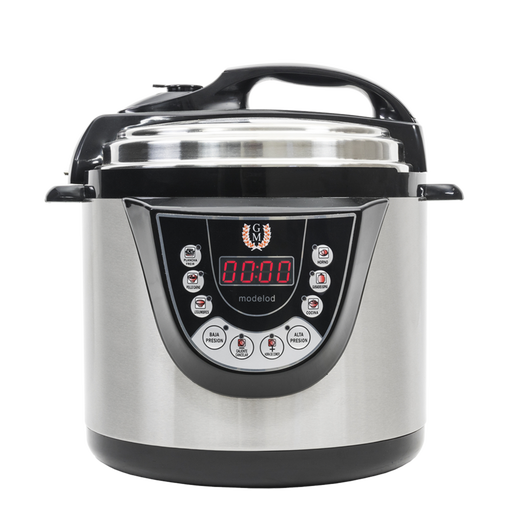 No image available
The stated usable capacity of 5 L is useful when planning a batch of soup; also follow the appliance’s fill line and instructions.
6 L pot capacity and 5 L usable capacity; 9 cooking menus; 2 pressure levels; 24-hour timer.
The product name states that it can cook for up to 12 people; this doesn’t indicate how much soup can safely be pressure cooked in one batch.
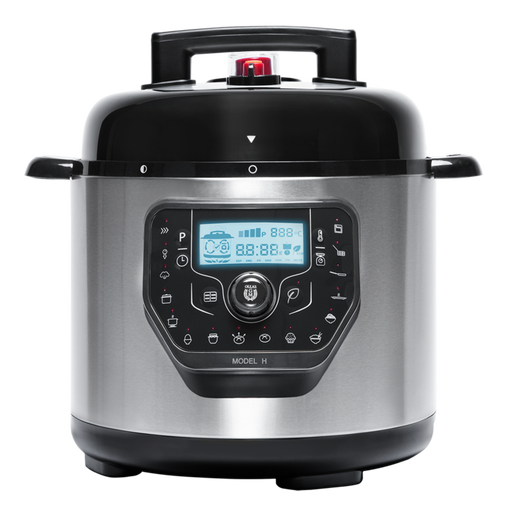 No image available
The stated pressure-cooking and browning functions suit a method where you add the beans after pressure cooking and continue heating the soup.
6 L capacity; air-fryer attachment; built-in scales; 19 cooking methods.
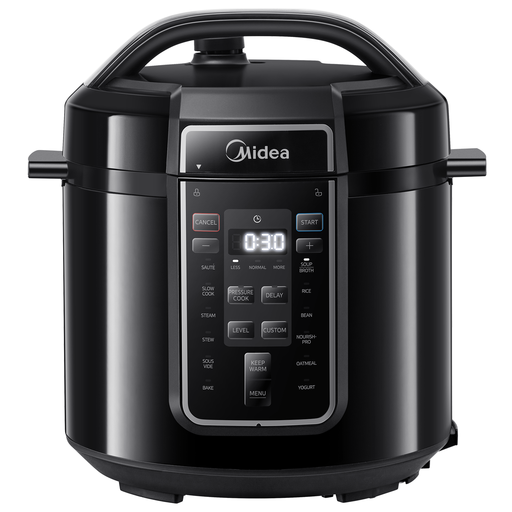 No image available
The stated capacity gives you a starting point for comparing the cooker for serving several people; check the model-specific fill line for your recipe.
6 L; 1000 W; 14 cooking functions; removable stainless steel inner pot.
The product information states a half-fill line for ingredients that expand, such as beans; follow the appliance instructions.
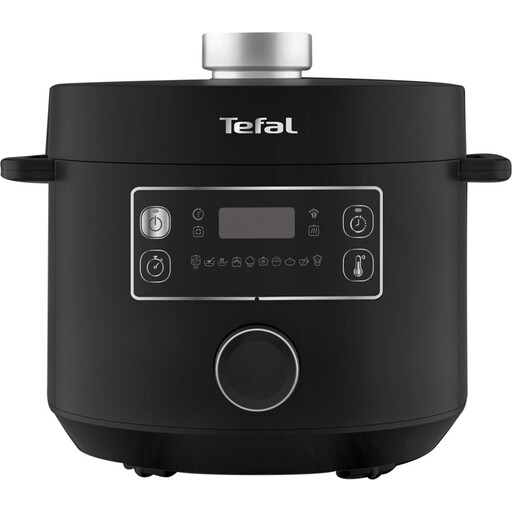 No image available
The stated manual function and stir-fry setting give you options for cooking ingredients further after pressure cooking; follow the instructions for the exact model.
5 L capacity; 10 automatic programmes; manual function.
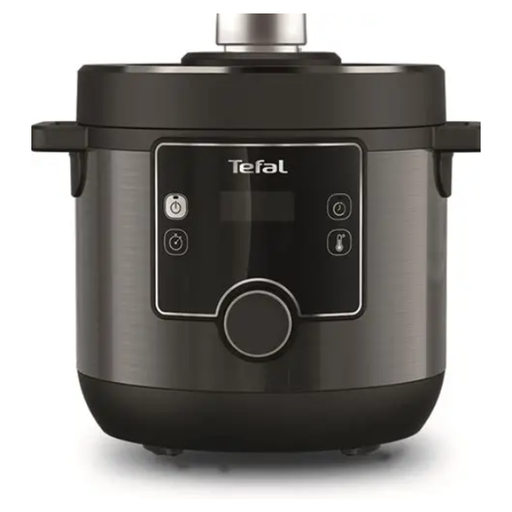 No image available
The stated pressure-cooking and sauté functions suit a method where you add the beans after pressure cooking, then continue heating the soup.
6 L capacity; 15 functions; digital touch controls.
No. In Instant Pot UK’s minestrone recipe, the beans are added to the pot after pressure cooking and heated through using the sauté setting. Adjust the cooking time to suit your ingredients and recipe.
No. The stated litres describe the pot; when pressure cooking, follow the fill line and instructions for the exact model. Instant Pot recommends filling it to no more than two-thirds for most cooking, and no more than half full for ingredients that expand, such as beans or rice.
The Netherlands Nutrition Centre advises keeping leftovers covered in the fridge at 4 °C for up to two days, or freezing them. When reheating, heat the soup all the way through until piping hot.
No. According to the Dutch Government, there is no fixed statutory guarantee period in the Netherlands. You’re entitled to a product that works as it should, and can contact the seller if there’s a problem; a manufacturer’s guarantee is separate.
The Dutch Government states that electrical appliances in the EU must carry a CE marking. Also check the information and instructions for the exact appliance; a product listing alone doesn’t confirm that all requirements have been met.