
Cooking one large batch for the community
You want to make plenty of stock in as few cooking rounds as possible. So check how much room is left for chicken, vegetables and liquid within the chosen model’s fill limit.


Start with the amount of strained stock you need per batch: the stated pot capacity is not the same as the permitted fill level or the final yield. A larger pot may suit you if you want to minimise the number of batches, while several smaller batches can work if you have enough time and fridge space. Then check the manual for the exact model, and factor in the controls, inner pot and how you’ll use it after the community meal.
You want to make plenty of stock in as few cooking rounds as possible. So check how much room is left for chicken, vegetables and liquid within the chosen model’s fill limit.
You can make the stock in smaller batches in advance and want to plan how you’ll cool and store it safely.
You’re making stock for a community meal, but you also want the controls, inner pot and other functions to suit your everyday cooking.
The stated capacity in litres won’t tell you how much strained stock you can serve: ingredients take up space, and the manual sets the maximum fill level.
| What to consider | What should you check? | Who is this important for? |
|---|---|---|
| Usable batch size | Check the maximum fill level in the manual for the exact model, and leave room for the chicken and vegetables. The Instant Pot Duo manual specifies a maximum fill of 2/3, or 1/2 for ingredients that expand; don’t assume this limit applies to other models. | If I want to minimise the number of cooking rounds when feeding a crowd, I look at the space available with the ingredients in the pot, not just the capacity on the box. Around 36% of consumers prioritise the amount they can cook per batch. |
| Cooling and storage | Follow the model’s pressure and steam-release instructions, and make sure you have clean containers and enough fridge space. The Netherlands Nutrition Centre advises covering leftovers and putting them in the fridge within 2 hours, once cooled, ideally at 4 °C. | If I’m cooking ahead for a community meal, I want to have enough space and time to cool and store the stock safely afterwards. Around 29% of consumers prioritise this preparation. |
| Speed and controls | Compare the controls and programmes on the exact models you’re considering. Allow time for preparation, pressure build-up, steam release and straining too; a general speed claim won’t tell you how long chicken stock takes. | If I need to plan several batches, I want to know what steps the controls on my chosen cooker require. Around 21% of consumers prioritise speed and ease of use. |
| Everyday use after the meal | Check the inner pot material, cleaning instructions and which functions you’ll actually use. Compare the seller’s warranty terms too. | If I want to use the cooker on ordinary days as well, I weigh up ease of use and maintenance alongside its capacity for this meal. Around 14% of consumers prioritise everyday use and value for money. |
The maximum fill level, along with the space taken up by chicken and vegetables, reduces the room available for liquid. For example, Rommelsbacher distinguishes between the total and usable capacity of the MD 1000.
Plan your batch using the manual for the exact model, and allow for straining and cooling.
A lower usable capacity may mean you need an extra cooking round and more containers for cooling.
Tefal’s energy test for the CY7548 was carried out using potatoes. It isn’t a measurement of the cooking time or energy use for chicken stock.
Allow time for preparation, pressure build-up, steam release, straining and possibly another batch.
Before making a large quantity of stock, think about where you’ll cool and store it. The Netherlands Nutrition Centre advises covering leftovers and putting them in the fridge within 2 hours, once cooled.
Make space before you start cooking and have suitable, clean containers ready.
Worth considering if you’re comparing larger electric pressure cookers. Instant Pot Netherlands lists a soup/stock programme for the Duo 7.6 L; the manufacturer describes the Classic XL/Rio as having a 7.1 L capacity and a wider stainless steel inner pot.
The Turbo Cuisine CY7548 may be worth considering if controls and features for everyday use matter alongside stock-making.
The MD 1000 is an option if you want to factor in a stated usable capacity and manual settings.
These Joybuy electric pressure cookers give you options to compare batch space, controls and extra cooking functions for making chicken stock.
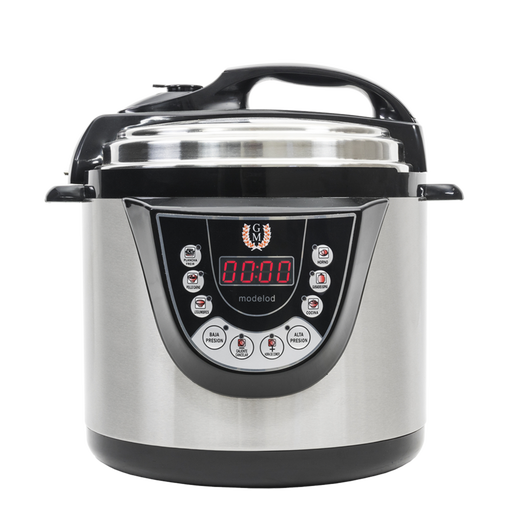 No image available
The stated usable capacity can help you plan a batch in advance; check the manual for the maximum fill level when adding chicken and vegetables.
Pot capacity: 6 L; usable capacity: 5 L; 2 pressure settings; 9 cooking programmes; timer.
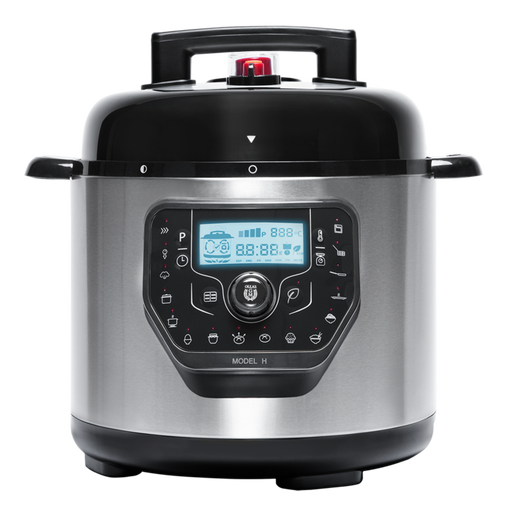 No image available
The stated pot capacity is a useful starting point for planning your batch; also allow for the fill limit and the space taken up by ingredients.
Capacity: 6 L; 19 cooking options; 5 pressure settings; programmable 24-hour timer; integrated scales.
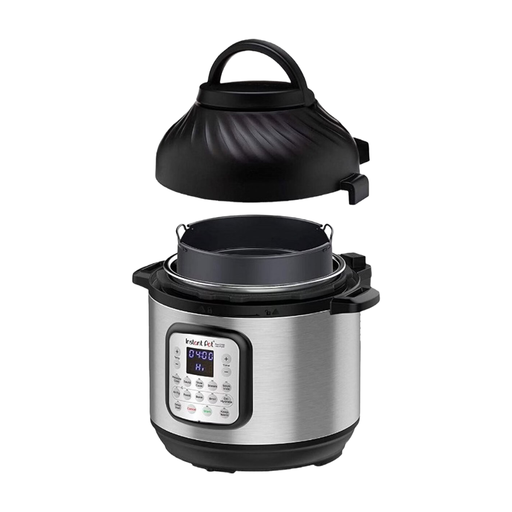 No image available
The pot capacity may be a factor if you’re looking for a larger electric pressure cooker; work out your batch size using the manual and fill limit.
Capacity: 7.6 L; 11-in-1; pressure cooking function; two separate lids; also described as an air fryer.
 No image available
The difference between total and usable capacity can help you assess batch space; also follow the fill instructions for the exact model.
Pot capacity: 6 L; usable capacity: 5 L; power: 1000 W; 14 cooking functions; stainless steel inner pot.
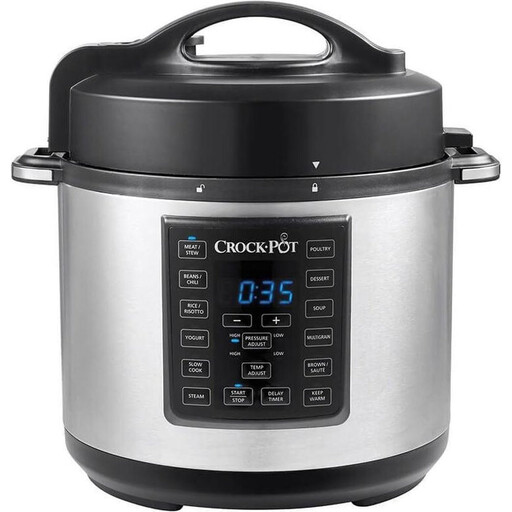 No image available
This cooker combines pressure cooking with slow cooking; compare the stated capacity with your batch plan and the fill limit for your chosen cooking method.
Capacity: 5.6 L; power: 1000 W; 12 programmes; poultry setting; pressure cooking and slow cooking.
Follow the manual and maximum fill limit for the exact cooker. The Instant Pot Duo manual consulted specifies a maximum of 2/3 full, or 1/2 full for food that expands during cooking; this isn’t a universal limit for every brand. Only open the Duo once the pressure has fully released, as instructed in the manual.
The Netherlands Nutrition Centre advises covering leftovers and putting them in the fridge or freezer within 2 hours of cooking, once cooled. It recommends setting the fridge to 4 °C if possible and keeping covered leftovers in the fridge for no more than 2 days.
No. ACM ConsuWijzer distinguishes between statutory rights and any additional seller’s or manufacturer’s warranty. A product should last for as long as you can reasonably expect it to; there is no fixed time limit for statutory rights.
That depends on the activity; the description ‘community meal’ alone isn’t enough to say. The NVWA states that a HACCP food safety plan is required for anyone who prepares and sells food more than once a year. So first establish whether food is being sold, and in what way, before applying those rules to your meal.