
Making a bean side dish
You want to heat already-cooked butter beans without treating a pressure-cooking programme as an essential step. The Netherlands Nutrition Centre advises simply reheating tinned pulses.


You don’t need a pressure-cooking programme for tinned butter beans: the Netherlands Nutrition Centre says that tinned pulses only need reheating. A regular saucepan may be all you need; choose an electric multicooker or pressure cooker mainly if you’ll use its other functions too. Check that you can heat the beans without pressure and that the quantity is within the cooker’s instructions. Before buying, also check the CE marking on the specific model.
You want to heat already-cooked butter beans without treating a pressure-cooking programme as an essential step. The Netherlands Nutrition Centre advises simply reheating tinned pulses.
You’re making several portions and want to check that the quantity of beans, sauce and other ingredients fits the inner pot’s fill markings and instructions.
You’re considering using the appliance for other dishes too, where functions such as sautéing, pressure cooking or air frying could come in handy.
For tinned butter beans, the first thing to consider is heating them without pressure. Then think about how much you want to cook and which functions you’ll use after your dinner party.
| What to consider | What should you look for? | Who is this most important for? |
|---|---|---|
| Heating without pressure | Check whether the model has a sauté or reheat setting, and whether you can stir the beans while they’re heating. | I want to gently heat cooked beans without using a pressure cycle unnecessarily; around 36% of consumers prioritise heating without pressure. |
| Room for your portions | Work out the quantity of beans and sauce, then compare it with the fill markings and instructions for the specific cooker. | When I’m cooking for several guests, I want to know whether everything fits within the permitted fill level; around 29% of consumers prioritise having enough room in the pot. |
| Serving and leftovers | Don’t assume a keep-warm function guarantees a safe temperature; follow separate advice for leftovers. | I want to plan when to serve the food and know how to handle leftover beans; around 21% of consumers prioritise serving and leftovers. |
| Using it after your dinner party | Weigh up functions such as sautéing, pressure cooking or air frying against the extra controls and accessories. | If I want to use the appliance for other dishes too, versatility matters; around 14% of consumers prioritise having several cooking methods. |
The functions and models mentioned do not confirm the CE marking of a specific version. The Netherlands Food and Consumer Product Safety Authority states that CE marking is mandatory for electrical products where this requirement applies; check the specific model.
Tinned butter beans are already cooked, so a programme that pressure-cooks beans isn’t automatically necessary for this meal.
Check whether you can heat them without pressure and follow the preparation instructions on the label.
The stated capacity alone doesn’t tell you how much food you’re allowed to put in the pot at once according to the instructions.
Work out the total quantity you need for your guests, then check the model’s fill markings and manual.
An appliance function is no substitute for advice on cooling, storing and reheating cooked food.
Plan serving separately from storing leftovers. The Netherlands Nutrition Centre advises keeping cooked food chilled and reheating it thoroughly later, until piping hot.
Instant Pot Netherlands lists sautéing and keeping warm among the functions of the Duo 5,7 L. According to the product information, the Duo Crisp 5,7 L has a separate air-fryer lid.
Tefal lists stir-frying and automatic keep-warm for the Turbo Cuisine CY7548. According to Tefal, the All-in-One CY505EF0 has a capacity of 6 litres; this is a different model.
The Philips 3000 Series HD2633/80 is listed with a capacity of 6 litres, sauté, reheat and automatic pressure release functions.
This selection includes electric multicookers and pressure cookers with functions that may be useful for heating, serving or cooking other dishes. Check the controls and permitted quantity for each model.
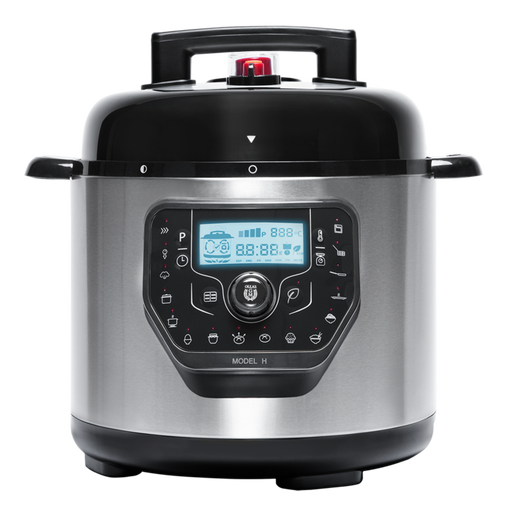 No image available
The listed sauté and keep-warm functions may be useful if you want to cook other dishes as well as butter beans.
The product information lists a 6-litre capacity, an air-fryer lid and integrated scales.
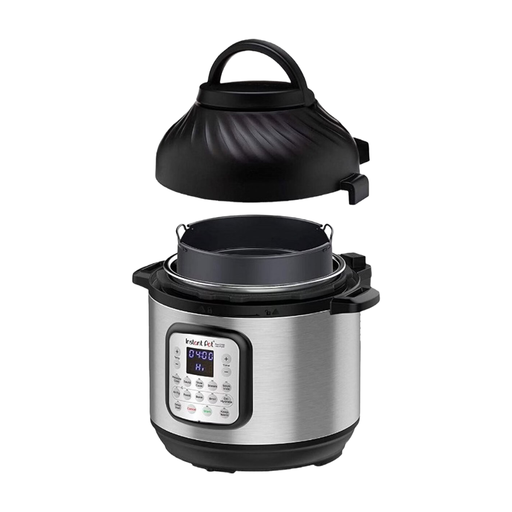 No image available
This model may suit you if you want to use an air-fryer function as well as reheat food; the pressure function isn’t needed for tinned butter beans.
The product information lists a 7.6-litre capacity, two lids, and pressure-cooking and air-frying functions.
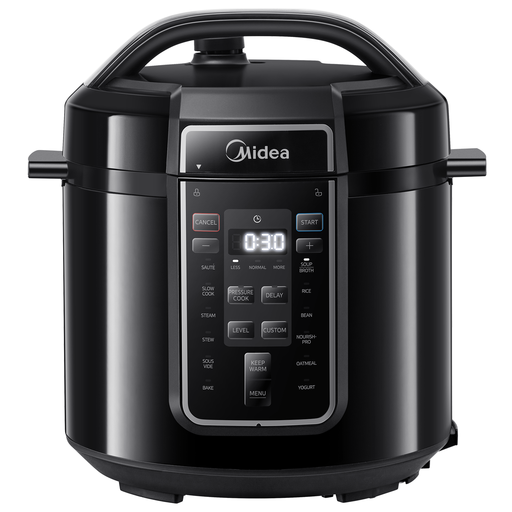 No image available
The listed keep-warm function may be useful if you want to use the appliance when serving too; check how to heat food without pressure.
The product name lists a 6-litre capacity and 1000 W; the product information lists 14 cooking functions and automatic keep-warm.
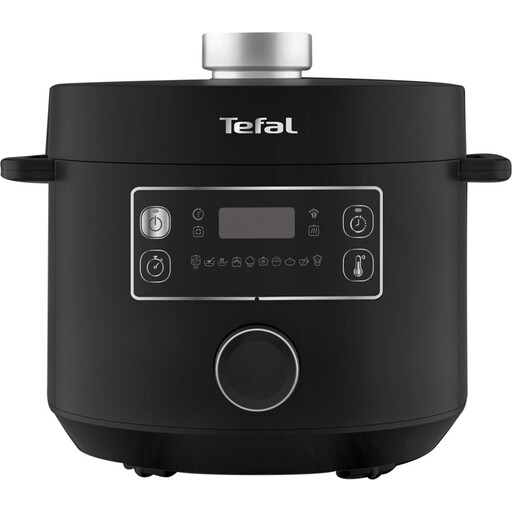 No image available
The stir-fry and keep-warm functions listed for this model may be useful if you want to cook other dishes or plan when to serve your food.
The product information lists a 5-litre capacity, 10 automatic programmes and a manual function.
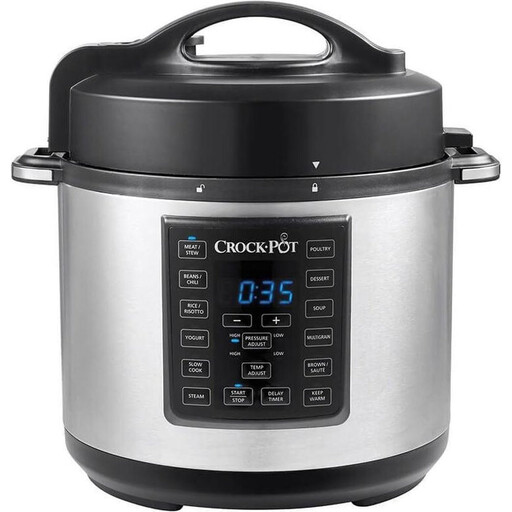 No image available
The listed sauté function may be useful if you want to heat the beans without pressure; check the controls in the model’s manual.
The product name lists a 5.6-litre capacity, 1000 W and 12 programmes, including pressure cooking and slow cooking.
No. According to the Netherlands Nutrition Centre, tinned pulses only need reheating. Follow the preparation instructions on the label too; a pressure-cooking programme isn’t necessary for this.
Cool leftovers and store them in the fridge. The Netherlands Nutrition Centre says cooked food can be kept for up to two days; later, reheat chilled leftovers thoroughly until piping hot, stirring as they heat.
The Netherlands Food and Consumer Product Safety Authority states that CE marking is mandatory for electrical products where this requirement applies. Check the marking on the specific model; the general rule doesn’t confirm that a particular model has been checked.