If you want to make ravioli sheets for one, a motorised roller is a good choice if you want to make your own dough and adjust its thickness. A powered attachment may be enough if you have a compatible KitchenAid or Kenwood stand mixer. An automatic pasta maker takes care of mixing and kneading, but check which sheet or lasagne disc comes with the exact model and whether its recommended batch size suits your meal. Whichever method you choose, you’ll still need to fill and shape the sheets into ravioli, unless you use a suitable tool.
Who are these machines suitable for?
Solo cook who wants thin ravioli sheets
You make your own dough and want to roll a small amount to your preferred thickness each time. A powered roller suits this purpose, but consider how much hands-on work mixing and filling will still involve. Marcato describes a motorised roller with adjustable thickness settings.
Stand mixer owner looking for a roller
You already have a stand mixer and don’t want to buy a second, standalone motor. Before buying, check that the attachment fits your specific model and the mixer’s connection. KitchenAid and Kenwood each describe compatible roller attachments for their stand mixers.
Cook who wants to leave dough preparation to a machine
You want to add the ingredients and let the machine mix, knead and extrude the dough. For your meal for one, check which shaping disc comes with the model and what batch size it requires; a stated capacity doesn’t tell you whether a small batch is possible. Philips describes automatic processing and pasta sheets made using shaping discs.
What should you look for when choosing?
Standalone electric pasta roller
Choose this if: you make your own dough and want to adjust the thickness of your ravioli sheets without using an existing mixer as the power source. Marcato states that the Atlasmotor+ comes with a motor and offers ten thickness settings.
Bear in mind: the motor rolls the dough, but doesn’t mix it or fill the ravioli. Marcato advises against cleaning its pasta machines under running water or in the dishwasher.
Powered roller attachment
Choose this if: you already have a compatible mixer and want to use it as the power source. KitchenAid lists eight thickness settings for the 5KSMPSA; Kenwood lists ten for the KAX980ME.
Bear in mind: the attachment won’t work on its own. For the Kenwood KAX980ME, also check that the connection is compatible and whether you need the KAT001ME adapter for an older model.
Automatic mixing, kneading and pasta-making machine
Choose this if: you want to do less dough preparation by hand. Philips describes automatic processing and pasta sheets extruded through a shaping disc.
Bear in mind: a shaping disc works differently from a roller with adjustable thickness settings. The stated capacity doesn’t confirm that the recommended batch is suitable for one person; filling and sealing the ravioli is still a separate task.
| What to consider |
What to look for when buying |
Who should consider this? |
| Batch size for one |
Check the batch instructions and dough ratio for the exact model; don’t infer the smallest batch from the maximum capacity. |
When I’m cooking for one, I want to match the amount of dough to my meal and know whether the recommended batch size is suitable. Around 36% of consumers cite a suitable small batch as their main concern when buying. |
| Thickness of the sheets |
Check whether the machine makes uncut sheets and whether you can adjust their thickness; a shaping disc isn’t the same as a roller. |
I want to choose the thickness of my homemade ravioli sheets as I roll them. Around 29% of consumers prioritise adjustable sheet thickness. |
| Compatibility with your mixer |
Compare the full model number of your stand mixer and the attachment; for older Kenwood machines, check whether you need the KAT001ME adapter. |
If I want to use my existing mixer, I want to know in advance that the roller will fit my machine and its connection. Around 21% of consumers place most importance on compatibility with a stand mixer they already own. |
| Cleaning |
Read the cleaning instructions for the exact model and its accessories; don’t assume that parts are dishwasher-safe. |
After preparing a small meal, I want to know how much cleaning the machine and the parts that come into contact with the dough will need. Around 14% of consumers cite cleaning as their main concern when buying. |
Common mistakes
-
Confusing pasta sheets with filled ravioli
The rollers and shaping discs covered here make pasta sheets; they don’t automatically fill and seal the ravioli.
Decide whether you’re happy to shape the ravioli by hand. If you want to use a tool, check that the accessory is compatible with your chosen machine. Marcato describes a separate ravioli attachment for the Atlas.
-
Assuming the maximum capacity is suitable for a one-person batch
Philips lists a quantity of 450 g in 18 minutes for the HR2345/19. This information doesn’t confirm the smallest permitted batch size.
Check the batch instructions for the exact model before choosing an automatic pasta maker for one person.
-
Choosing a roller attachment without checking the power source
An attachment won’t work on its own, and connections vary between stand mixers.
First, check the full model number and connection on your mixer. Some older Kenwood connections may require the KAT001ME adapter.
Brands to compare
Marcato
The Atlasmotor+ is a standalone, motorised roller for anyone who wants to adjust the thickness of homemade ravioli dough.
- Marcato lists a motor included in the box and ten thickness settings.
- The motor doesn’t take care of kneading or filling. Marcato advises against cleaning the machine under running water or in the dishwasher.
KitchenAid
The 5KSMPSA is a powered pasta roller for anyone who already has a compatible KitchenAid stand mixer.
- KitchenAid lists eight thickness settings and compatibility with its mixers.
- It’s an attachment, not a standalone machine; you make and fill the dough yourself.
Kenwood
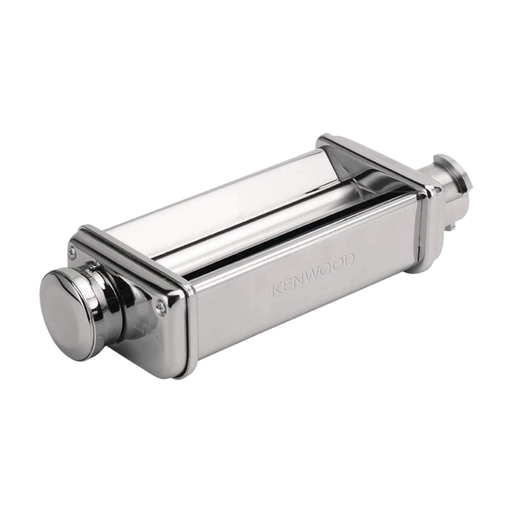
The KAX980ME is a lasagne roller attachment for a compatible Kenwood stand mixer.
- Kenwood lists ten thickness settings.
- Check the connection on your stand mixer. Kenwood states that the KAT001ME adapter is needed for some older connections.
Philips
The Viva, 5000 and 7000 Series models described mix, knead and extrude dough automatically.
- Philips describes pasta sheets made using a shaping disc.
- Check which discs are included and the batch instructions for the exact model. The stated capacity doesn’t confirm that a one-person batch is possible; the machine doesn’t fill the ravioli automatically.
Joybuy products for making pasta sheets
These products offer two ways to make ravioli sheets: a powered roller attachment for a compatible Kenwood stand mixer and an automatic pasta maker with a shaping disc. For both, check the connection or included discs, and make sure the batch instructions suit the way you plan to use it.
 No image available
Kenwood KAX980ME lasagne roller
A good fit if you make your own dough and want to use a compatible Kenwood stand mixer as the power source; the attachment makes sheets, but doesn’t automatically fill and seal ravioli.
Kenwood lists ten thickness settings. Check the connection on your machine; Kenwood states that the KAT001ME adapter is needed for some older connections.
View at Joybuy
 No image available
Philips Viva Collection HR2345/19
A good fit if you want to do less mixing and kneading by hand; this machine extrudes dough through a shaping disc and doesn’t make filled ravioli.
The product information for this model lists a lasagne disc. Before buying, check which discs are included and whether the batch instructions are suitable for one person.
View at Joybuy
Frequently asked questions
Does an electric pasta machine also make filled ravioli?
Not automatically: a roller makes sheets of dough, while a Philips pasta maker extrudes dough through shaping discs. Filling and sealing are separate tasks. Marcato describes a separate ravioli attachment for the Atlas; check that it’s compatible with the machine you choose.
Can I fit a pasta roller to any stand mixer?
No, the roller must be compatible with the brand and connection on your stand mixer. KitchenAid describes the 5KSMPSA as suitable for its mixers; for the Kenwood KAX980ME, check the connection and whether your older model needs the KAT001ME adapter.
How do I clean a motorised pasta roller?
Follow the instructions for your model. Marcato advises against washing its pasta machines under running water or in the dishwasher, and recommends using a cloth and brush for the exterior. Follow the separate instructions for any removable parts.
What are my rights in the Netherlands if I buy online or receive a faulty product?
For online purchases, ACM ConsuWijzer says you generally have a statutory cooling-off period of up to 14 days after delivery, subject to legal exceptions. You’re also entitled to a statutory guarantee from the seller if a product doesn’t meet what you could reasonably expect under normal use; a manufacturer’s guarantee doesn’t replace this.


