For a small lasagne, an electrically driven roller is a sensible option if you want to control how much dough you make and set the thickness of the sheets. An automatic pasta maker takes more of the dough preparation off your hands, but check whether the exact model includes a lasagne disc and what the minimum batch size is. If you already have a compatible stand mixer, a powered roller attachment may be all you need. This comparison is based on manufacturers’ information, not a hands-on comparative test.
Which pasta maker is right for you?
If you make lasagne for one
You don’t want to end up making a large batch of dough by default. Compare how much dough you can feed through a roller yourself with the batch requirements of an automatic machine. Philips describes 250 g of pasta as 2–3 portions; this doesn’t tell you whether a smaller amount is suitable for a particular model.
If you want to adjust the thickness of the sheets
You want control over the thickness of your lasagne sheets as you roll them out. Marcato, Kenwood and KitchenAid describe adjustable roller settings for the machines or attachments mentioned here.
If you already have a stand mixer
You may want to use a powered roller attachment rather than buying a complete pasta maker. Check the exact brand and model: compatibility depends on the mixer, and certain older Kenwood connections may require an adapter.
What should you consider when making one portion?
First decide whether you’d rather control the amount of dough yourself, leave more of the preparation to a machine or make use of a mixer you already own. Then compare the lasagne-making options and cleaning instructions for the exact model.
Freestanding electric pasta roller
Choose this if: you make your own dough and want to control the amount and thickness of the sheets.
The trade-off: you’ll need to mix and knead the dough yourself. Marcato advises against cleaning the machine under running water or in a dishwasher.
Automatic pasta maker
Choose this if: you want the machine to mix and knead the dough, and the exact model comes with a lasagne disc.
The trade-off: Philips describes 250 g of pasta as 2–3 portions. This doesn’t confirm that a smaller, single-portion batch is suitable, so check the manual.
Stand mixer roller attachment
Choose this if: you already have a compatible powered Kenwood or KitchenAid stand mixer.
The trade-off: the attachment won’t work without a compatible mixer. Making the dough and cleaning the roller are still separate jobs.
| Concern |
What to look for |
Who it matters to |
| Amount of dough |
Check the minimum permitted batch size in the manual for the exact automatic machine. |
I want to make dough for one meal without having a larger batch left over. A suitable small quantity is the top priority for around 33% of consumers. |
| Thickness of the sheets |
Check whether the model has a lasagne disc or a roller with adjustable settings. |
If I roll out my own lasagne sheets, I want to be able to adjust their thickness. Around 27% of consumers put this control at the top of their list. |
| Preparation and cleaning |
See how much preparation is involved and follow the cleaning instructions for the exact model and its parts. |
I want to spend less time mixing and kneading by hand, but I also want to know what needs cleaning afterwards. Less hands-on work is the main concern for around 20% of consumers. |
| Compatibility |
Compare the exact mixer model and connection with the attachment’s compatibility information. |
If I already own a stand mixer, I want to know whether the attachment will fit it. Making use of an existing mixer is a top priority for around 20% of consumers. |
Things to watch out for when buying
-
Automatic doesn’t necessarily mean suitable for one small portion
Philips describes 250 g of pasta as 2–3 portions. This doesn’t confirm that a smaller quantity can be made in a particular model.
Before buying, check the minimum permitted batch size in the manual for the exact model.
An automatic machine may mean making more dough and having more to clean than you want for one meal.
-
An attachment isn’t a complete pasta maker
Kenwood and KitchenAid rollers need to be fitted to a compatible powered stand mixer.
Check whether you’re buying a complete machine or just the attachment, and compare your exact mixer model with the compatibility information.
The attachment won’t work without a compatible mixer, and certain older Kenwood connections may require an adapter.
-
Don’t compare preparation and forget about cleaning
Cleaning instructions vary by brand and model. Marcato, for example, advises against cleaning its machines under running water or in a dishwasher.
Before you buy, read the instructions for the machine and any parts that come into contact with dough.
Brands to compare
Marcato
The Atlasmotor+ and Ampiamotor are electrically powered rollers that, according to Marcato, can make lasagne sheets.
- Marcato says both models come with a motor and offer ten thickness settings.
- You make the dough yourself. Marcato advises against cleaning these machines under running water or in a dishwasher.
Philips
The 7000 Series offers an automatic way to mix, knead and shape pasta. Check the full model code and which discs are included.
- Philips lists lasagne as an option for certain models and describes 250 g of pasta as 2–3 portions.
- This portion guidance doesn’t confirm that a smaller, single-portion batch is suitable. Also check which parts of the exact model can be removed and how they should be cleaned.
Kenwood
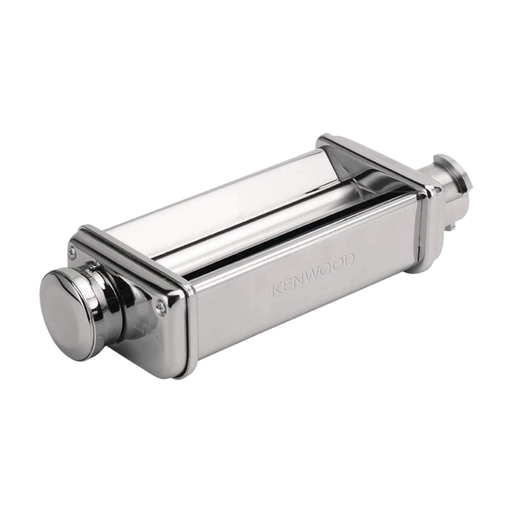
The KAX980ME is a powered lasagne roller attachment for compatible Kenwood stand mixers.
- Kenwood lists ten thickness settings and compatibility with certain Chef and Chef XL connections.
- The attachment won’t work without a compatible mixer, and certain older connections may require an adapter.
KitchenAid
The 5KSMPSA is a pasta roller for KitchenAid mixer owners who want to roll out their own lasagne sheets.
- KitchenAid lists eight thickness settings and includes a cleaning brush.
- The attachment requires a KitchenAid mixer and doesn’t make the dough for you.
Joybuy products for making lasagne sheets
This selection includes a Kenwood lasagne roller attachment for compatible stand mixers and an automatic Philips pasta maker. For the Philips model, check that it includes the required lasagne disc and can handle a suitable small batch.
 No image available
Kenwood KAX980ME lasagne roller attachment
A good fit if you already have a compatible Kenwood stand mixer and want to roll out lasagne sheets electrically.
Certain older connections may require an adapter. Check the connection on your stand mixer.
Joybuy
 No image available
Philips Viva Collection HR2345/19
If you’re considering an automatic pasta maker, this model is only suitable for lasagne if it includes the required disc.
Before buying, check the full model information and the minimum permitted batch size in the manual.
Joybuy
Frequently asked questions
Can every automatic pasta maker make lasagne sheets?
No. Don’t rely on the term ‘pasta maker’ alone. Check the full model code to see whether a lasagne disc is included; Philips says the number of discs varies by model.
Can I clean an electric roller or pasta maker in the dishwasher?
Follow the instructions for the exact brand, model and part. Marcato advises against cleaning the machines mentioned here under running water or in a dishwasher. Philips says many removable parts of certain 7000 Series models can go in the dishwasher, but not the front panel; don’t immerse the main unit.
What if an appliance I bought online turns out not to be suitable?
When you buy from a business online, you generally have a 14-day cooling-off period; the Dutch government describes this period for distance selling. This relates to your right to change your mind: also check the full model code, whether a lasagne disc is included and the mixer connection before buying.
Which safety rules apply to pasta makers in the Netherlands?
Electrical equipment must meet the applicable electrical safety requirements. The Netherlands Food and Consumer Product Safety Authority refers to the Low Voltage Directive 2014/35/EU, depending on the product’s electrical characteristics. Materials intended to come into contact with food must comply with the applicable food contact materials rules, including the Commodities Act Decree on Packaging and Consumer Articles.


