
Vandaag of morgen in huis

Kwaliteit gegarandeerd

Welkomstaanbiedingen ontgrendelen: GRATIS bezorging | Tot 80% korting | Gratis 30 dagen JoyPlus-proefperiode
Download de app
A new electric oven can look incredibly versatile on paper. Manufacturers list features such as fan cooking, air frying, grilling, automatic programmes and self-cleaning. But a long list of features doesn’t tell you everything. An oven might have plenty of programmes, for example, yet still be awkward to use or unsuitable for your kitchen.
So, pay particular attention to these three common pitfalls:
A built-in oven is designed for a kitchen cabinet recess and usually has a standard front width of around 60 cm. Measure the available space carefully before you order. Also check the electrical connection. Models with a rated power of around 3,000 to 3,600 watts may require a suitable connection and professional installation.
A freestanding oven or mini oven sits on a stable, heat-resistant worktop. It’s handy for rented homes, a utility room or as an extra oven. Make sure there’s enough ventilation space around the appliance, and don’t place a freestanding oven directly next to flammable materials.
Capacity determines how much you can cook at once, but also how much space the appliance takes up.
A larger oven isn’t automatically more energy-efficient. Check both the energy class and the energy consumption per cycle. The energy class is shown on the EU energy label, according to the product information. When comparing ovens, make sure you’re looking at the same cooking method, such as conventional baking or fan cooking.
A fan oven uses a fan to circulate hot air throughout the oven. This can be useful when using several baking trays and for even heating. Check that the oven can actually accommodate several levels, and that the baking trays are suitable for this.
An oven with a grill is useful for browning, toasting and grilling dishes. Check the grill area and power rating. Don’t leave dishes containing oil or fat unattended while grilling.
An oven with an air-fry function uses hot air and often a perforated tray or basket. According to Bosch’s own product information, the Air Fry function is designed for foods such as potatoes and vegetables with little oil. This is a product claim made by Bosch; the results will also depend on factors such as quantity, thickness of the pieces and how they’re arranged.
The compact OIMIS oven is listed as having 21 functions, 1,800 watts of power and a 30-litre capacity. The manufacturer also mentions an air circulation system and accessories for functions including rotisserie and dehydrating. Before buying, check which accessories are actually included and how much space they take up.
So, a self-cleaning oven is mainly a tool to make maintenance easier. Always check the user manual, and remember to clean the door, seals, baking trays and exterior too.
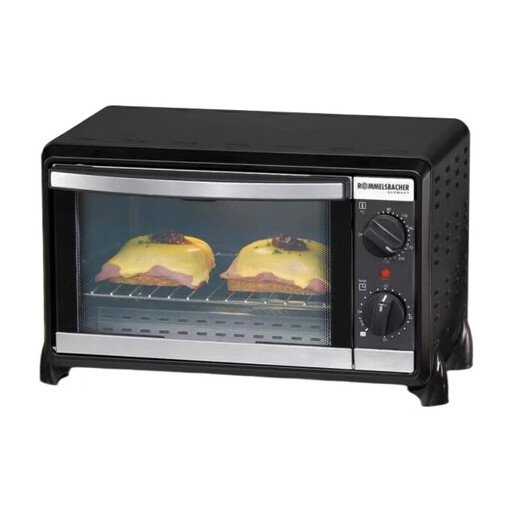
Why it suits this type of user: This compact 10-litre oven is ideal for small portions, toast and snacks, without taking up space for a larger oven.
Its limited capacity makes it clear what the appliance is designed for. You won’t be buying a large oven for light use.
10-litre capacity, temperature control from 80 to 230 °C and a crumb tray, according to the product information.
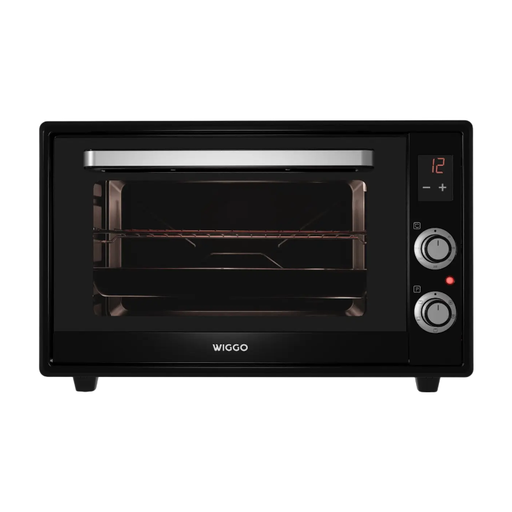
Why it suits this type of user: This freestanding oven combines a 65-litre capacity with six cooking functions for casseroles, pizzas and larger meals.
The capacity and external dimensions are clearly listed. Before buying, check that your worktop has space for 60 × 49 cm and allows sufficient ventilation.
65-litre capacity, 2,000 watts, turbo fan and an enamelled interior, according to the product details.
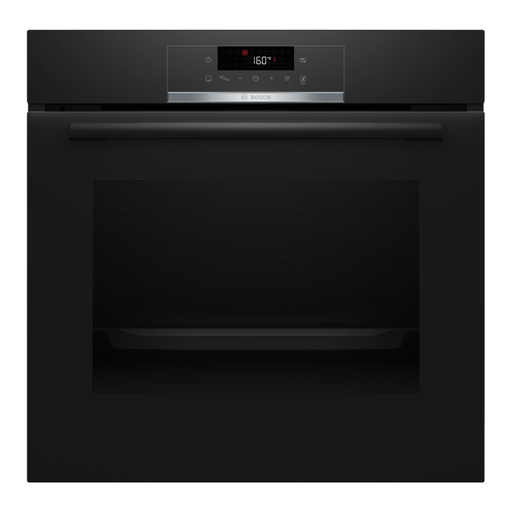
Why it suits this type of user: This 60 cm built-in model is designed for versatile cooking, with a 71-litre capacity, Air Fry, a steam function and pyrolytic cleaning.
The features are backed up by specific details: a 71-litre capacity, a temperature range of 30–275 °C and a stated recess size of 56 × 55 cm. Even so, measure your kitchen yourself.
Pyrolytic cleaning system, 3D hot air, Air Fry, partial steam function and telescopic rails, according to the product information.

Why it suits this type of user: This 30-litre model is designed for air frying, toasting, baking, roasting, dehydrating and rotisserie cooking in one compact appliance.
The accessories and 21 presets make it clearer how to use the appliance than a general air-fryer claim alone. Clean the interior after each use, following the warnings.
1,800 watts, 30-litre capacity, temperature control from 30–230 °C and six included accessories, according to the product description.
We’ve put together a complete, up-to-date list of products that meet these strict selection criteria and the applicable European safety regulations.
It varies by model. Compact ovens often use around 1,500 to 2,000 watts. Built-in ovens may use around 3,000 to 3,600 watts. Check the rated power, plug and installation requirements before connecting an oven. Don’t use an unsuitable multi-socket adaptor or extension lead.
Fan cooking can be more efficient when you’re baking on several levels or can use a lower temperature. Actual consumption depends on the cooking method, preheating time, capacity and insulation. So, compare the energy consumption on the energy label rather than looking at the energy class alone.
Its lifespan depends on how it’s used, maintained and installed, as well as the quality of its components. Regular cleaning, proper ventilation and avoiding overloading can help reduce problems. Keep the manual, and check the statutory guarantee and any manufacturer’s warranty before buying the oven.
