
Vandaag of morgen in huis

Kwaliteit gegarandeerd

Welkomstaanbiedingen ontgrendelen: GRATIS bezorging | Tot 80% korting | Gratis 30 dagen JoyPlus-proefperiode
Download de app
An electric oven might seem straightforward to choose at first. But models can vary considerably in capacity, installation, features and energy use. A compact mini oven can be handy for toast and small pizzas, while a 70-litre built-in oven may be a better fit for a family that regularly cooks several dishes at once.
The most common costly mistakes usually come down to three pitfalls:
A built-in oven is fitted into a kitchen cabinet and is often around 60 cm wide. Always check the exact height, width and depth of the installation space. For example, a model that is 59.4 cm wide may need an installation space that is 56.8 cm wide.
A freestanding oven sits on a stable, heat-resistant worktop. This type is suitable for rented homes, temporary kitchens or households that don’t want to adapt a cabinet. Leave enough space around it for ventilation, and don’t place flammable materials directly next to or above the appliance.
An oven with a capacity of 10 to 22 litres may be enough for one person or a small household. For example, the Rommelsbacher BG 950 has a 10-litre capacity and, according to its product specifications, can accommodate baking trays up to 20 cm.
For everyday cooking for several people, 30 to 45 litres is more practical. If you cook large oven dishes, several pizzas or family meals, consider an oven with a capacity of 60 to 76 litres. Also check the number of shelf positions and the dimensions of the baking trays supplied.
A fan oven uses a fan to circulate hot air around the oven. This can be useful for even baking and cooking on multiple levels, but check how many levels the manufacturer says are suitable.
An oven with a grill is handy for browning, toasting and finishing dishes. A multifunction oven may also offer conventional top and bottom heat, defrosting, a pizza setting or a rotisserie.
An oven with steam cleaning heats water to loosen dirt. You’ll usually still need to wipe away the residue afterwards. An oven with pyrolytic self-cleaning uses high temperatures to burn off dirt. Check the manual for ventilation requirements and details of the cleaning programme’s energy use.
Measure the installation space, as well as the room needed for the oven door to open and for ventilation. For a freestanding oven, also check the depth of the worktop and the distance from the walls.
A 60 cm built-in model often needs a fixed connection or a suitable circuit. Models with a power rating of around 2,500 to 3,400 watts, as listed in their product specifications, shouldn’t be connected using an unsuitable extension lead or multi-socket adaptor. Have the connection checked in line with Dutch installation regulations.
You can’t tell whether an energy-efficient oven is right for you just by looking at the letter on its energy label. Also check the stated energy consumption per cycle for conventional and fan cooking. For example, some product specifications list separate consumption figures for each setting.
A higher energy rating can be beneficial if you use the oven frequently, but actual consumption also depends on preheating, cooking time, temperature and the amount of food. Use fan cooking where suitable and avoid preheating for longer than necessary.
Check whether you prefer dials, touch controls or a combination of the two. A child lock, automatic shut-off and a well-insulated door can be useful in a busy household.
Check what’s included in the box, too. A baking tray, wire rack, pizza stone, air-frying tray or rotisserie can help you avoid extra costs. Check whether the accessories are dishwasher-safe and whether replacement parts are available.
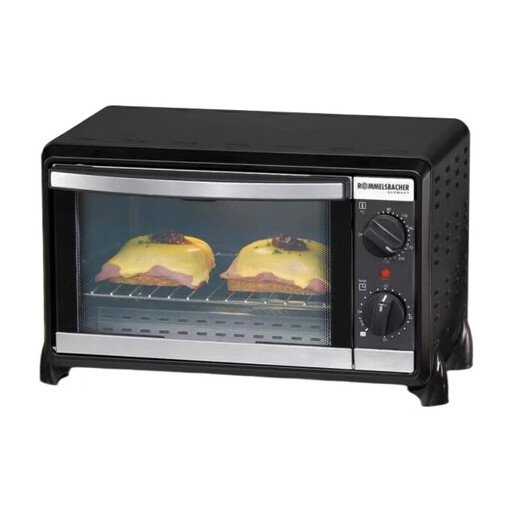
Why it suits this type of buyer: Its compact 10-litre capacity is ideal for small households, student rooms or as an extra oven for snacks.
The product specifications state that it takes a baking tray up to 20 cm, so you can see in advance what portion sizes will fit.
80–230 °C, conventional top and bottom heat, a 30-minute timer and a crumb tray.
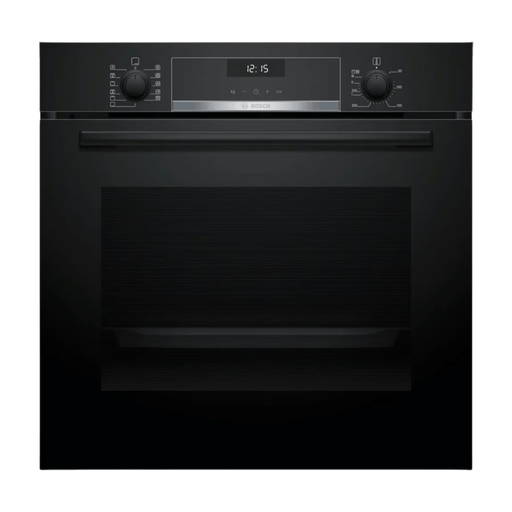
Why it suits this type of buyer: A 71-litre built-in oven for households that cook several dishes and make use of advanced oven features.
The stated installation-space and product dimensions let you check whether it will fit your kitchen cabinet before buying.
71 litres, 8 heating methods, 50–275 °C, EcoClean Direct and an A+ energy rating, according to the product information.
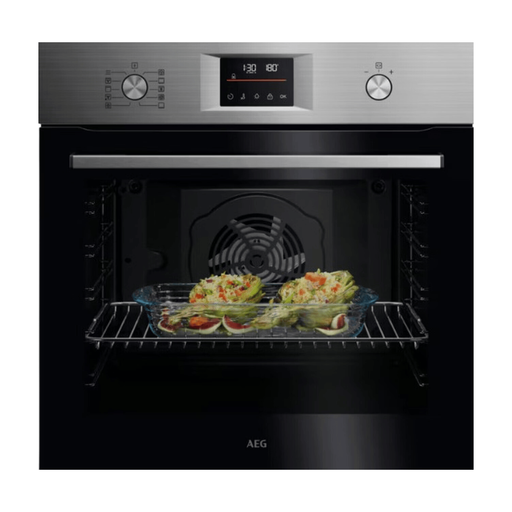
Why it suits this type of buyer: This spacious oven is designed for people who bake and grill often and make use of a range of programmes.
Pyrolytic cleaning is clearly listed as a feature. Make sure you check the installation and ventilation requirements.
72 litres, 45 programmes, 30–300 °C and automatic shut-off, according to the product specifications.
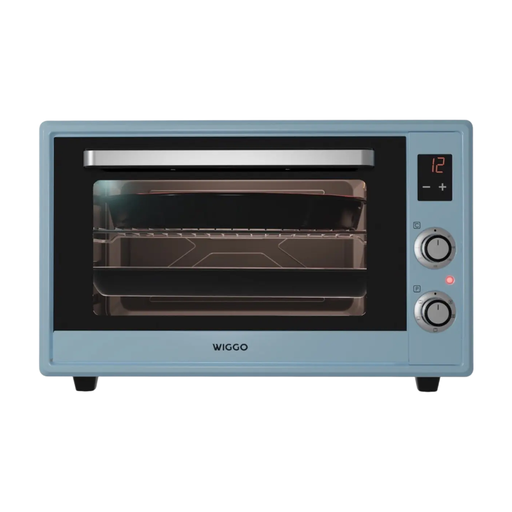
Why it suits this type of buyer: A spacious freestanding oven for families, people who batch-cook or renters without a suitable built-in space.
Its external dimensions of 60 × 49 × 40 cm are listed, so you can check the worktop, ventilation and door clearance in advance.
65 litres, six cooking functions, a turbo fan, five shelf positions and a 90-minute timer.
We’ve put together a complete, up-to-date list of products that meet these strict selection criteria and the applicable European safety regulations.
Models with a capacity of around 60 to 76 litres are often practical for families, especially for oven dishes, large baking trays or cooking several dishes at once. As well as capacity, check the internal dimensions and the number of shelf positions.
Not necessarily. Fan cooking may allow you to use a lower temperature and cook for less time, but energy use depends on the programme, cooking time and preheating. Compare the stated energy consumption per cycle on the energy label.
Lifespan depends on how often you use the oven, how well you maintain it, how it’s installed and the quality of its components. Keep the ventilation openings clear, remove food residue once the oven has cooled, and don’t use harsh scouring products on the door glass or enamel. Before ordering, also check the statutory guarantee and any additional manufacturer’s warranty.
