
Someone using a shared cleaning cupboard
You share the appliance and storage space, and want to be able to put the tank, roller and other cleaning parts away clean and dry after use.


If your tiled floor has already been swept and you want to mop it regularly without a bucket, an electric mop may be all you need. If you often find crumbs alongside wet spills, a cleaner that vacuums and mops at the same time is better suited to the job. When sharing the appliance, also consider where you’ll store it and its parts while they dry. Agree on who will clean the tank and roller after use: a self-cleaning function doesn’t take care of all the maintenance.
You share the appliance and storage space, and want to be able to put the tank, roller and other cleaning parts away clean and dry after use.
You want to tackle crumbs and wet spills in a single cleaning session, so you’re comparing a wet and dry floor cleaner with an electric mop.
Your floor is usually free of larger bits of dirt, and you’re mainly looking for a way to freshen up your tiles without a bucket.
When you share a cleaning cupboard, both the type of dirt and how you clean and store the appliance after each use matter.
| What to consider | What to check before buying | Who is this most important for? |
|---|---|---|
| Storing it clean and dry | Check whether the tank, roller and filter are easy to access for cleaning, and where the separate parts can dry. | I want to be able to put the appliance away clean and dry after my turn, so the next person can use it. Around 33% of consumers prioritise shared maintenance. |
| Stubborn dirt | Look at the type of powered cleaning head and find reviews or test results for dried-on stains; assess the grout separately. | If dried-on stains are common on my tiles, I want to know how the cleaner handles them. Around 27% of consumers prioritise tackling stubborn dirt on tiles. |
| Combining dry and wet messes | Check whether the model vacuums and mops at the same time, and whether a cord or charging station suits your cleaning route and cupboard. | I’d prefer to tackle crumbs and spilled liquids in a single session. Around 20% of consumers prioritise dealing with both at once. |
| Replacement parts and cleaning products | Find the right roller, pad and filters for the exact model variant, and check which cleaning products are approved for use. | If I’ll use it regularly, I want to know in advance which parts and products are suitable for my model. Around 20% of consumers prioritise ongoing running costs. |
A self-cleaning function doesn’t take care of all the maintenance needed for the tank, roller and filter. In a shared cupboard, any dampness or dirt left behind could affect the next person using it.
Agree in advance on who will clean the parts after each use and where they can dry. The Consumentenbond points out that self-cleaning doesn’t replace all maintenance.
Allow time to empty, rinse and dry the parts; the roller or filter may eventually need replacing.
An electric mop and a machine that vacuums and mops at the same time aren’t the same thing. If you often find crumbs alongside wet spills, you may need to clean in a separate pass. In its initial assessment of the Philips OneUp, the Consumentenbond also reported that the appliance struggled more with certain dried-on stains.
Choose based on the type of dirt that usually ends up on your floor, not just the word ‘electric’.
Making a separate pass for crumbs or stubborn marks takes extra time.
Rollers, pads, filters and approved cleaning products can vary from one model to another. A part made for one variant won’t necessarily fit another.
Before buying, check the part numbers and instructions for the exact appliance variant.
With regular use, you may need compatible replacement rollers, pads or filters, or recommended cleaning products.
The OneUp 5000 Series XV5113/01 is an electric mop with separate clean- and dirty-water tanks, designed for regular mopping without a bucket.
According to BISSELL, the CrossWave HF2 vacuums and mops hard floors. Its cord and its storage and cleaning tray are worth considering if you share a cleaning cupboard.
According to Rowenta, the X-Clean 4 GZ5035WO is a cordless wet and dry floor cleaner for hard floors, including tiles.
Leifheit describes the Regulus Aqua PowerVac as a combination of vacuum cleaner and mop, and offers a separate accessory set for this product range.
This selection includes an electric scrub brush, an electric mop and wet and dry cleaners for tiled and hard floors.
 No image available
An option for anyone who wants to scrub tiled surfaces with an electric rotating brush.
The product name lists 7 interchangeable brush heads and a rechargeable design.
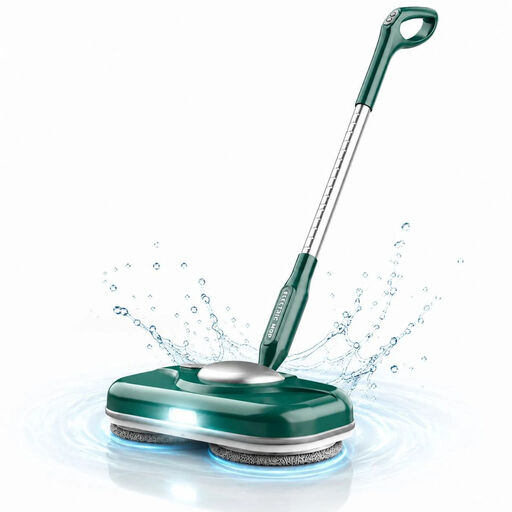 No image available
Suited to regular mopping of tiles if you’re looking for a cordless electric mop.
The product name lists dual rotation and a spray function.
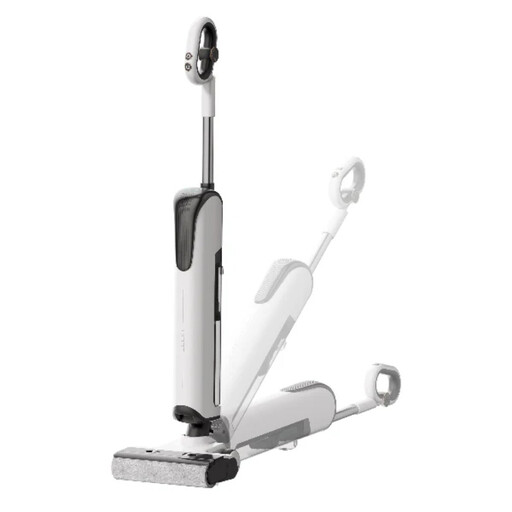 No image available
An option for anyone who wants to tackle dry and wet messes on hard floors, including tiles.
The product name lists 18,000 Pa suction power and a design that can lie flat at 180°. The dirty-water tank needs emptying after use.
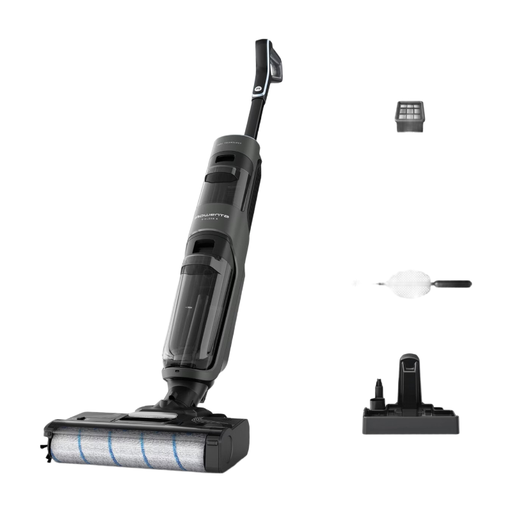 No image available
Suited to anyone who wants to tackle dry and wet messes on hard floors, including tiles, in a single pass.
Its stated use is limited to sealed hard floors; carpets and untreated wood are excluded. Do not use bleach.
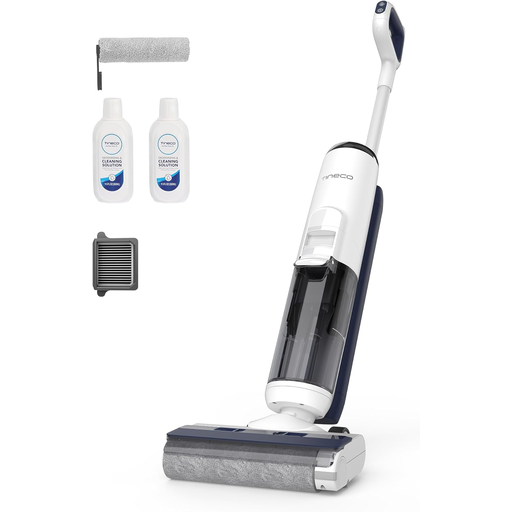 No image available
An option for anyone who wants to wet-clean ceramic tiles and vacuum up dry dirt in one step.
The product name lists one-step hard-floor cleaning and a self-cleaning function.
Being suitable for tiles doesn’t prove that an appliance will clean the grout thoroughly. Assess the tiles and grout separately, and check whether there’s information about the specific cleaning head or accessory.
Empty the dirty-water tank, clean the removable parts according to the instructions and let them dry before putting them away in a closed cupboard. A self-cleaning cycle doesn’t replace all maintenance. The RIVM advises cleaning and drying cleaning equipment properly after use; the relevant guidance was written for a healthcare setting and isn’t a specific legal requirement for households.
No. Follow the instructions for the exact variant. Leifheit recommends a non-foaming cleaning product for the Regulus Aqua PowerVac; that advice doesn’t automatically apply to other appliances.
Online purchases generally come with a statutory 14-day cooling-off period after delivery, subject to exceptions. You’re also covered by the statutory guarantee if a product used normally doesn’t meet what you could reasonably expect; a manufacturer’s guarantee doesn’t replace these rights. ACM ConsuWijzer explains these consumer rights.
Follow the safety instructions for your specific appliance and charger. The NVWA outlines safety requirements and responsibilities for suppliers of electrical equipment; this isn’t a separate permit for household use. According to the Dutch government, you can dispose of an old household appliance at a collection point or recycling centre, or when buying a new, similar appliance.