
Vandaag of morgen in huis

Kwaliteit gegarandeerd

Welkomstaanbiedingen ontgrendelen: GRATIS bezorging | Tot 80% korting | Gratis 30 dagen JoyPlus-proefperiode
Download de app
An electric meat slicer can be useful at home for thin slices of roast beef, cheese, bread, vegetables and fruit. However, not every electric slicer is suitable for everyday use. An appliance may look compact, yet prove difficult to clean, lack stability or offer a slicing thickness that does not suit your recipes.
For home bakers and cooking enthusiasts, three pitfalls are particularly important:
The right slicing thickness depends on how you plan to use the machine. For bread, you may sometimes want substantial slices, while cured meats or cheese are usually sliced thinly. A model with adjustable slicing thickness of 0-15 mm allows for a range of applications.
Do check how the setting works. A dial or sliding mechanism should be easy to read and should not move easily while slicing. The stated measurement is a product specification; the actual slice thickness may vary depending on the food’s shape and firmness, as well as how you press the food against the blade.
A slicer with a serrated blade is worth considering if you want to slice bread as well as meat. Serrations can provide better grip on bread crusts and softer foods. A smooth blade is often more suitable for certain cured meats, but always check whether the blade in question is suitable for your intended use.
Also pay attention to:
A kitchen slicer should be placed on a flat, stable surface. Non-slip feet, a sturdy carriage and an easily accessible on/off switch are practical details. A child-safe on/off switch is useful in households where children spend time in the kitchen, but the appliance remains a machine with a sharp blade. Unplug it before removing or cleaning any parts.
A foldable slicer is handy for small kitchens. Before buying, check the dimensions both folded and unfolded. According to the product specifications, the FRITEL SL 3110 measures 375 × 230 × 145 mm and weighs 2,566 grams. This gives you a more concrete idea than simply describing it as “compact”.
A bread slicer or electric bread slicer is particularly appealing to people who regularly eat homemade bread. For cured meats, cheese and vegetables, you need a more versatile model. If you only slice bread occasionally, a good bread knife may be sufficient. If you want to portion several types of food evenly every week, an electric meat slicer for home use is likely to be more useful.
Maintenance is also important. Wipe away food residue immediately, do not leave parts wet for long periods and follow the manufacturer’s instructions. According to FRITEL’s product information, the SL 3110 features a removable serrated stainless-steel blade and a removable carriage with food holder. These are verifiable features that directly support everyday use.

Why it suits this profile: This model combines bread, cheese and meat slicing in one appliance. The stated slicing thickness of 0-15 mm and the foldable design are practical for anyone looking for their first electric slicer.
The product specifications mention both the adjustable slicing thickness and the removable blade and carriage. This makes important usage and maintenance considerations clear in advance.
0-15 mm slicing thickness, serrated stainless-steel blade, child-safe on/off switch and foldable design. According to the product information, it comes with a 2-year warranty.
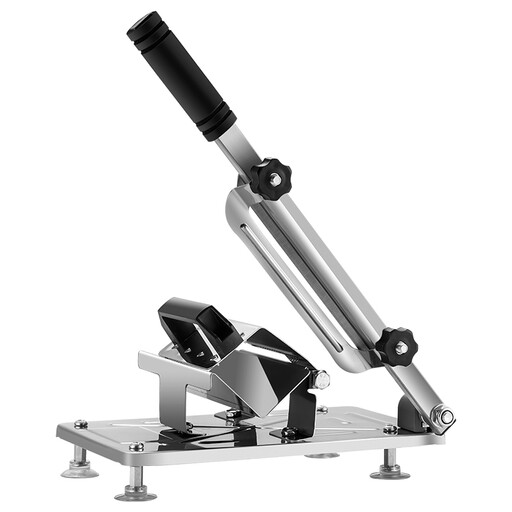
Why it suits this profile: The name and design are specifically focused on slicing meat. This makes it suitable for households that mainly want to portion cured meats or larger cuts of meat.
The product name mentions stainless steel and an extended design. Before buying, do check the exact slicing thickness, blade shape and cleaning instructions on the product page.
Stainless-steel construction and an extended design according to the product listing. Check that the dimensions suit your worktop and storage space.
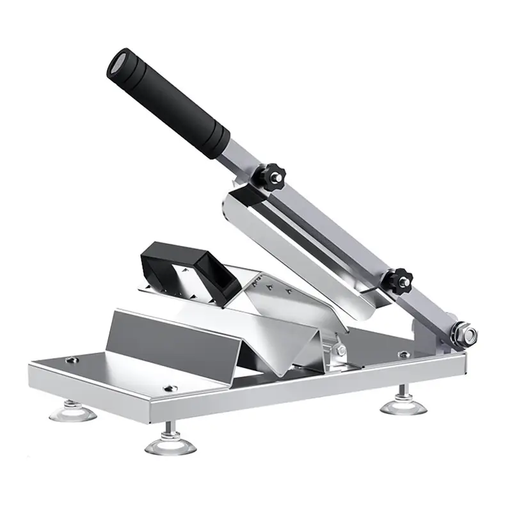
Why it suits this profile: This model is aimed at users specifically looking for a stainless-steel meat slicer and who have less need for a multifunctional bread slicer.
The SS304 designation makes the material clearer than a general term such as “metal blade”. If in doubt, ask the seller which parts actually come into contact with food.
SS304 is mentioned in the product name. Also check the blade diameter, slicing thickness, dimensions and included safety features before placing your order.
We have put together a complete, up-to-date list of products that fully meet these strict selection criteria and the applicable European safety regulations.
Always place the electric meat slicer on a stable worktop and keep your fingers away from the blade. Use the carriage and any food holder supplied with the appliance. Do not push food through the slicing area with your bare fingers, and never leave the appliance running unattended.
Unplug the appliance before cleaning it. Only remove parts that the manual states can be detached. Dry metal components thoroughly to help prevent moisture and residue build-up. Also check the power cord, switch and blade attachment. If anything is damaged, do not use the appliance again until the part has been replaced or the machine has been inspected.
That depends on the blade and the product description. According to FRITEL SL 3110 product information, a serrated blade is intended for foods including bread, cheese and meat. Check for each model whether the manufacturer lists these applications. Do not use a machine for foods it is not specified to handle.
For versatile use, an adjustment range such as 0-15 mm is practical. Thin settings are suitable for cured meats and some types of cheese, while thicker settings work well for bread and substantial slices. The ideal setting varies from one food to another, so start with a moderate thickness and adjust it as needed.
Power consumption depends on the wattage and how long the machine is used. A 100-watt appliance theoretically uses 0.1 kilowatt-hours when running continuously for one hour. In a normal kitchen, a slicer is usually used only briefly, so cleaning, blade maintenance and safe storage are often more important considerations than its limited electricity use.
