
Vandaag of morgen in huis

Kwaliteit gegarandeerd

Welkomstaanbiedingen ontgrendelen: GRATIS bezorging | Tot 80% korting | Gratis 30 dagen JoyPlus-proefperiode
Download de app
By: The Joybuy Product Recommendation Team
The moment a child climbs behind the wheel of their very own electric car is unforgettable. The smile, the excitement, the sense of adventure. But for a parent or grandparent, the search for the perfect electric kids' car can be overwhelming. What voltage do you need? Is a remote control important? And which model is the right fit for your child?
At Joybuy, we understand you want to make a choice that's safe, fun, and built to last. That's why we've created this guide. We'll give you practical tips on what to look for and highlight some exciting models to get you started.
Before you make a choice, it's wise to consider a few key specifications. These determine not only the fun factor but also the safety and lifespan of the car.
For the youngest drivers, especially a kids' car for a 3-year-old, safety is the highest priority. A kids' car with a remote control is an essential feature. It allows you, as a parent, to steer the car remotely, adjust the speed, or intervene immediately with an emergency stop button. Also, look for other safety features like a seatbelt and a 'soft-start' function, which ensures the car accelerates smoothly and without any jolts.
The battery determines the car's power and performance. A kids' battery car typically comes in two variants: 6V and 12V.
Do you have two children who love to play together, or does your child often have friends over? Then a 2-seater kids' car is a smart consideration. These cars have a higher maximum weight capacity and two seats. This not only encourages cooperative play but also ensures the car remains engaging for longer. Always check the specifications for the maximum weight to ensure the car is suitable.
To give you a concrete idea, we've highlighted a few models with different features for you.
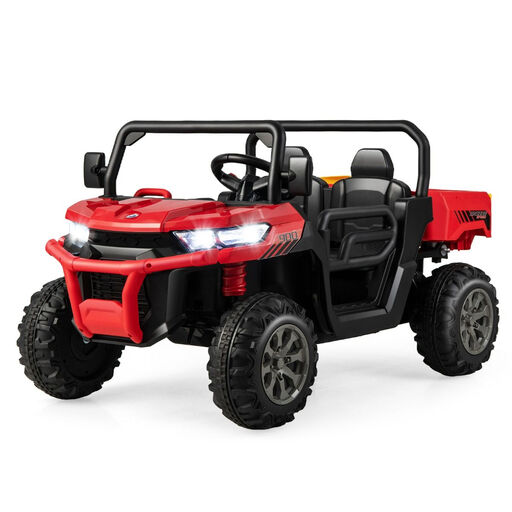
Why We Love It: This model combines the functionality of a 2-seater kids' car with the power of a 12V motor and the fun of a dump truck. The automatic tilting bed and included shovel invite hours of imaginative play in the garden or sandbox.
Key Features:
Best For: Ideal for families with two young children or for kids who love construction and building play. Its durable construction makes it a long-lasting choice for adventurous outdoor players aged 3 to 8.
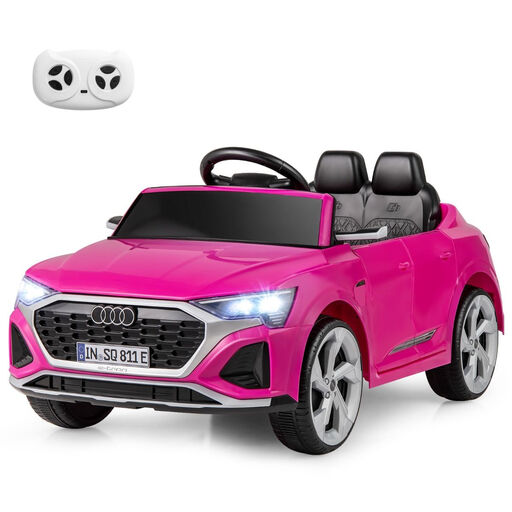
Why We Love It: For the young car enthusiast who dreams of a realistic driving experience. This officially licensed Audi kids' car is a detailed replica of the Audi SQ8. The attention to design, from the LED lights to the steering wheel with a horn, makes this a highly sought-after model.
Key Features:
Best For: Perfect for children who are fascinated by real cars and for parents who value design and brand details. It's a stylish electric ride-on toy that offers a realistic driving experience.
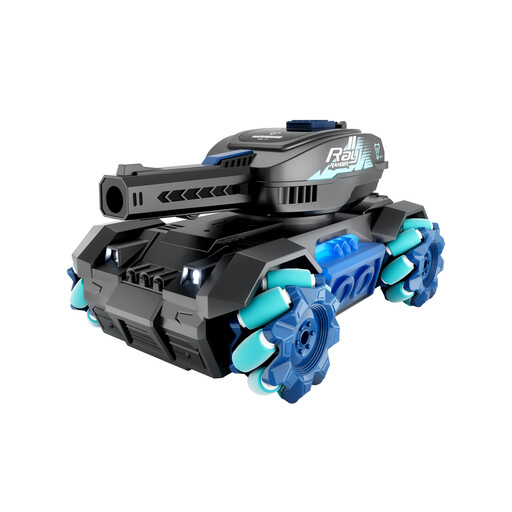
Why We Love It: This isn't a traditional ride-on car, but a highly interactive, remote-controlled tank. What makes this model unique is its ability to shoot water beads and be controlled with hand gestures, adding a whole new dimension to outdoor play.
Key Features:
Best For: For slightly older children (ages 6 and up) looking for action and interaction. It's an excellent alternative to a traditional electric kids' car if your child is more interested in remote control, stunts, and competitive play.
The world of ride-on toys is vast and diverse. Perhaps you're looking for something for a specific age or a different type of toy that stimulates motor skills. Every child is unique and has their own preferences.
For more ideas and a wider selection, you can browse our full collection. Here you'll find various options that contribute to your child's development and enjoyment.
Discover More Options in Our Gross Motor Skills Toys for 4-Year-Olds Category
Most manufacturers recommend a starting age of around 3 years. For younger children (from 2 years), there are 6V models that drive slower. A kids' car with a remote control is essential for this age group, so an adult can always take over control.
The runtime of a kids' battery car depends on the battery's capacity (Ah), the child's weight, and the driving surface. On average, you can expect a runtime of 45 to 90 minutes on a full charge. Charging typically takes 8 to 12 hours.
