
Vandaag of morgen in huis

Kwaliteit gegarandeerd

Welkomstaanbiedingen ontgrendelen: GRATIS bezorging | Tot 80% korting | Gratis 30 dagen JoyPlus-proefperiode
Download de app
An electric kettle may seem like a simple purchase, but the differences between models can be significant. A small kettle can be useful in a student room or office, while a 1.7-litre kettle is better suited to a family. The material, temperature control and safety features also affect how much convenience you experience every day.
Pay particular attention to these common pitfalls:
For one or two people, a compact kettle with a capacity of 0.8 to 1.25 litres may be enough. A 1.5-litre kettle provides space for around six 250 ml cups. A 1.7-litre kettle is practical when several people want tea, coffee or hot water at the same time.
Also consider the power rating:
The stated boiling time is often based on a specific amount of water and particular conditions. According to the product description, the 1.7-litre Midea kettle with 2,200 watts heats 1.7 litres in under five minutes. Treat this as a product specification under the stated conditions, not as a guarantee for every situation.
A stainless-steel kettle often has a durable interior and a neutral appearance. Check whether the water comes into direct contact with stainless steel and whether the product information specifies a food-safe interior.
A glass kettle makes the water level easy to see. Borosilicate glass is used in several models; according to the product descriptions from the relevant brands, this material is designed to withstand changes in temperature. However, glass can be fragile and becomes hot during use.
Plastic models are often lightweight and affordable. Look for a clear water-level indicator, a lid that closes securely and a handle that feels comfortable to hold. A double wall can make the exterior less hot, but this does not mean that the lid, spout or steam opening is safe to touch.
A model for everyday use should have at least these features:
Descale the kettle regularly according to the manufacturer's instructions. Limescale can affect heating times and put extra strain on the heating element. Use clean water only, and never immerse the base, plug or cord in water.
The selection below links specific product specifications to different user profiles. Always check the current product page, price, pack contents and warranty terms before buying.
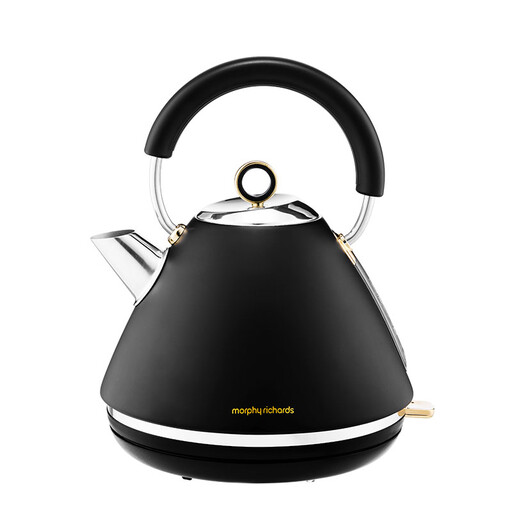
Why it suits this profile: The 1.5-litre capacity is suitable for everyday use in a small household or office. Operation remains simple, without temperature programmes.
The water-level indicator helps you boil only the amount you need. According to the product description, it has automatic switch-off, boil-dry protection and a removable limescale filter.
3,000 watts, 1.5-litre capacity, a 360° swivel base and integrated cord storage.
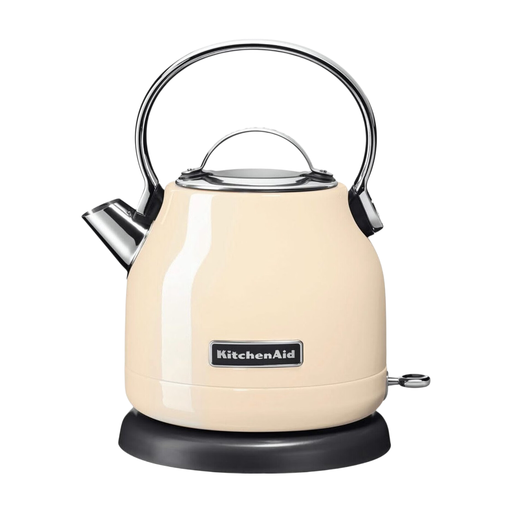
Why it suits this profile: This stainless-steel model has a capacity of 1.25 litres and is ideal for users who value a classic design and straightforward operation.
Its capacity is smaller than 1.5 litres, so you are less likely to boil more water than necessary. According to the product data, the model has automatic switch-off, boil-dry protection and a removable limescale filter.
Stainless-steel body, 2,000 watts, 360° swivel base and a stated statutory warranty of at least two years.
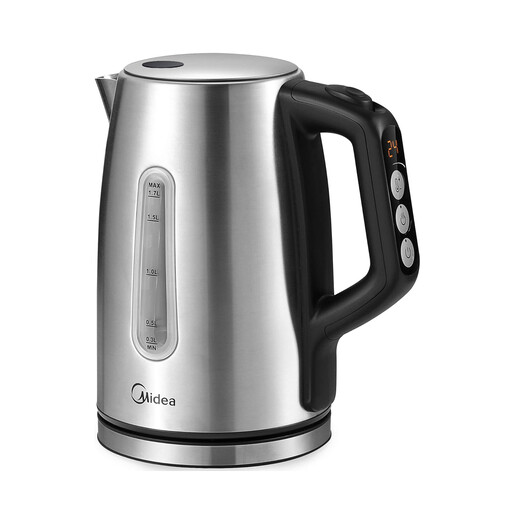
Why it suits this profile: The six temperature settings from 40 to 100 °C are practical for different types of tea and coffee. The capacity suits families and shared use.
You do not need to use boiling water for every drink. According to the product description, the model has automatic switch-off, boil-dry protection, a limescale filter and a keep-warm function for up to 60 minutes.
1.7 litres, 2,200 watts, six temperature settings and a stated heating time of under five minutes for the full capacity.

Why it suits this profile: The double wall is designed to keep the exterior less hot. With a 1.5-litre capacity, the model is suitable for several cups of tea or coffee.
The product description mentions double-wall insulation, automatic switch-off and boil-dry protection. At the same time, the warnings indicate that the water, steam and parts around the spout remain hot.
1.5 litres, a stainless-steel interior, double wall and rounded pouring spout according to the product information.
We have put together a complete, up-to-date list of products that fully meet these strict selection criteria and the applicable European safety requirements.
For household use, the power rating is often between 1,500 and 2,200 watts. A higher wattage can shorten heating times, but the result also depends on the amount of water, the temperature of the water at the start and limescale build-up. Only boil the amount you need.
That depends on how you use it. A keep-warm function can be useful when you are pouring several cups within a short period. If the water needs to stay warm for longer, briefly reheating it may use less energy. Compare the set duration and temperature with your own routine.
The lifespan varies depending on the model, frequency of use and maintenance. Descaling regularly, not allowing the kettle to boil dry and respecting the maximum marking can help prevent unnecessary wear. Stop using the kettle if the cord is damaged, it leaks or the switch does not work properly.
