
Vandaag of morgen in huis

Kwaliteit gegarandeerd

Welkomstaanbiedingen ontgrendelen: GRATIS bezorging | Tot 80% korting | Gratis 30 dagen JoyPlus-proefperiode
Download de app
An electric kettle may seem simple, but you notice the differences between models every day. A small kettle can be inconvenient for a family, while a large model heats more water and uses more electricity than necessary. Temperature control, materials and safety features also determine whether your purchase remains pleasant to use.
Pay particular attention to three common pitfalls:
For a household with several people, an 1.7-litre kettle or an 1.5-litre kettle is a practical size. A capacity of 1.5 litres is roughly equivalent to six 250 ml cups. With 1.7 litres, that is around seven cups. Also check whether there are clear MIN and MAX markings. Too little water can cause the kettle to boil dry; too much increases the risk of overflowing.
A fast-boiling kettle often has between 1,800 and 2,400 watts. This can reduce waiting time, but only heat the amount you need. Filling the kettle for one cup of tea uses more energy than measuring out the required amount.
A kettle with temperature control is useful for different types of tea, instant coffee or hot water for baby food. Check how many settings are available and whether the temperature is shown on a display. Some models, for example, offer seven settings between 45 and 100 °C, while others have six fixed levels.
A kettle with a keep-warm function can maintain the water temperature for a certain period after heating. The supplied product specifications mention a keep-warm duration of up to 60 minutes for several Midea models. This is practical when several people are drinking tea or coffee one after another. However, the function uses electricity for longer than switching the kettle off immediately, so only use it when the benefit is worthwhile.
An stainless steel kettle often has a metal interior and a sturdy appearance. A glass kettle makes the water level easy to see and may feature LED lighting. Glass becomes hot during use and requires careful handling.
Pay attention to the following checks:
According to the brands’ own product information, some models may include a double wall, a cool-touch exterior or a specific thermostat. Treat such descriptions as product specifications and continue to follow the safety instructions. Unplug the kettle before cleaning, never immerse the base in water and do not open the lid while the water is boiling.
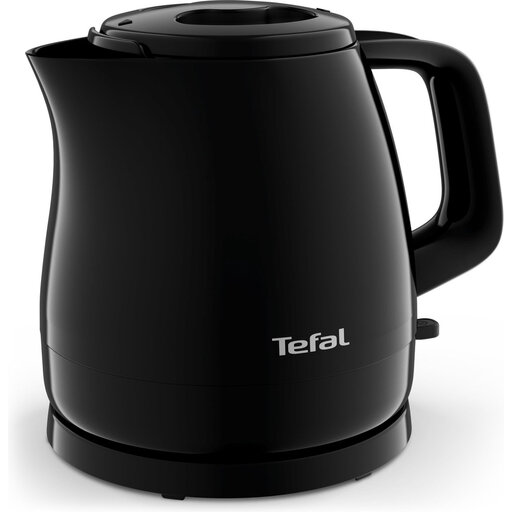
Why it suits this profile: The 0.8-litre capacity suits single-person households, students or users who usually prepare one to three cups. The controls remain simple to use.
The water-level indicator helps you avoid boiling more water than necessary. Automatic shut-off and boil-dry protection are included according to the product description.
0.8-litre capacity, 2,400 watts, 360° base and a removable, washable filter.
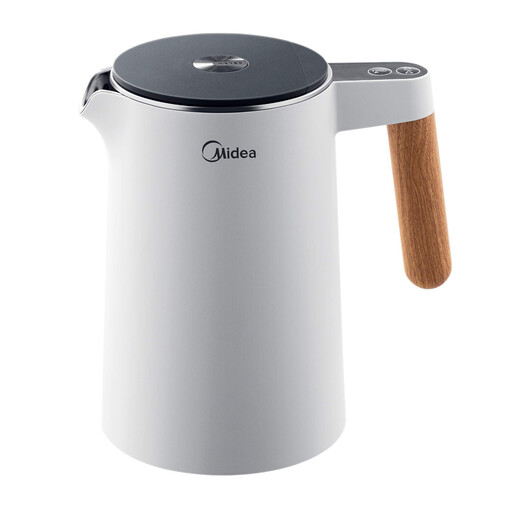
Why it suits this profile: This model combines temperature selection with a digital display. It is ideal for tea lovers and coffee drinkers who want more control than simply switching the kettle on or off.
The seven preset temperatures from 45 to 100 °C mean you do not have to guess the right setting for every drink. According to the product description, the double wall reduces heat on the outside.
1.5 litres, 2,200 watts, BPA-free according to the product information and a keep-warm function lasting up to one hour.
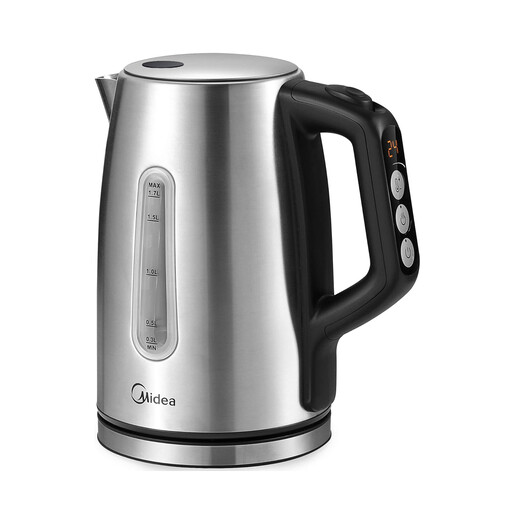
Why it suits this profile: The larger capacity and six temperature settings are useful for families or users who prepare several drinks one after another.
The large viewing-window markings help you measure the right amount. According to the product description, automatic shut-off, boil-dry protection and a limescale filter are built in.
1.7 litres, 2,200 watts, six temperature settings and a keep-warm function lasting up to 60 minutes.
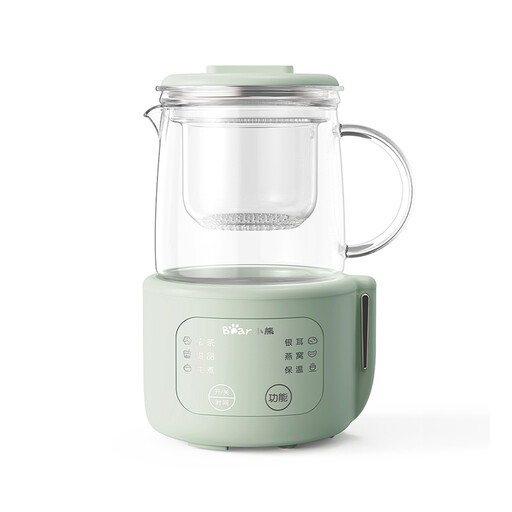
Why it suits this profile: With a 0.4-litre capacity, this is a compact choice for one user, a home office or anywhere with limited worktop space.
The small capacity prevents you from automatically filling a large kettle for one serving. The glass body makes the water level visible; according to the product information, six functions and a keep-warm setting are included.
0.4 litres, 360–430 watts, six functions and a display showing the time.
We have compiled a complete, up-to-date list of products that fully meet these strict selection criteria and the applicable European safety regulations.
Limescale build-up is common in many Dutch households, particularly in hard-water areas. Descale the kettle according to the instructions and check the filter regularly. Do not use aggressive cleaning products, and do not immerse the base, cable or plug in water.
Only fill the kettle with clean water and place it on a stable, dry surface. Keep children away while the kettle is boiling. A double wall or cool-touch design may reduce the heat on the outside, but it does not prevent burns from contact with steam or hot parts.
For one person, 0.4 to 0.8 litres may be sufficient. For two to four people, 1.5 litres is practical. A 1.7-litre kettle is better suited to families or when several cups need to be prepared in quick succession.
Not automatically. Energy consumption mainly depends on the amount of water and the selected temperature. Temperature control can help you avoid heating water unnecessarily to 100 °C. Measure out the amount you need and only use the keep-warm function when you really need it.
Its lifespan depends on usage, limescale build-up, cleaning and the quality of its components. Regular descaling, avoiding boiling the kettle dry and not filling it above the MAX mark will help reduce wear. When buying, also check the product’s warranty and returns terms.
