
Vandaag of morgen in huis

Kwaliteit gegarandeerd

Welkomstaanbiedingen ontgrendelen: GRATIS bezorging | Tot 80% korting | Gratis 30 dagen JoyPlus-proefperiode
Download de app
An electric kettle may seem like a simple appliance, but the differences between models become most noticeable in everyday use. One that is too small can be inconvenient for a family, unclear temperature controls can result in poorly brewed tea, and a poorly designed lid or spout can cause spills.
So don’t just look for a low price or a promise such as “fast boiling”. Check the capacity, material, safety features and maintenance requirements before making your choice.
A powerful kettle can heat water more quickly, but its actual speed also depends on the amount of water, the heating element and the design. A 3,000-watt model also uses more power while heating than a 1,000-watt model. For a single cup, a large capacity is therefore not always the most efficient choice.
Where possible, fill the kettle with only the amount you need. This reduces waiting time and prevents unnecessary energy consumption.
A 1.7-litre kettle is useful for families, shared student houses and offices. However, this type of model takes up more space and is heavier when fully filled. For one person or a small desk, a capacity of 0.4 to 1.5 litres may be more practical.
Also check the minimum and maximum fill markings. Too little water can activate the boil-dry protection; too much increases the risk of spills or boiling over.
A temperature-adjustable kettle may have set temperature options, while another model may only offer a single keep-warm temperature. So look at the actual temperature range. Green tea, black tea and coffee may require different temperatures, but not every appliance offers the same level of control.
A kettle with a keep-warm function is particularly useful when several people are drinking tea or coffee one after another. Check how long the function remains active and whether the temperature can be adjusted.
Choose the capacity based on how you intend to use it:
Power is measured in watts. Models rated at around 2,100 to 2,200 watts are suitable if you regularly heat several cups at once. Lower power may be sufficient for smaller quantities and limits the maximum consumption per heating cycle.
A stainless-steel kettle often has a sturdy body and a neutral appearance. However, bear in mind that stainless steel can become hot on the outside if the model does not have a double wall.
A glass kettle makes the water level and boiling process easy to see. Glass can become hot, however, and requires care when cleaning and moving the appliance. High-borosilicate glass is mentioned in product descriptions because of its resistance to temperature changes, but always follow the instructions for use.
For a BPA-free kettle, the product information means that the relevant plastic components are described as BPA-free. Check which parts come into contact with water. A stainless-steel inner wall or glass interior may be preferable for some users.
A kettle with automatic shut-off should switch off when the set boiling point or selected temperature has been reached. According to the product description, a kettle with boil-dry protection switches off when there is too little or no water present. These are important features, but they do not replace careful use.
Also check for:
Limescale is a normal maintenance issue in many Dutch households. Descale the kettle according to the manufacturer’s instructions, and never clean the base, plug or cord under running water. Only use the kettle for clean water unless the manual expressly states that other uses are permitted.
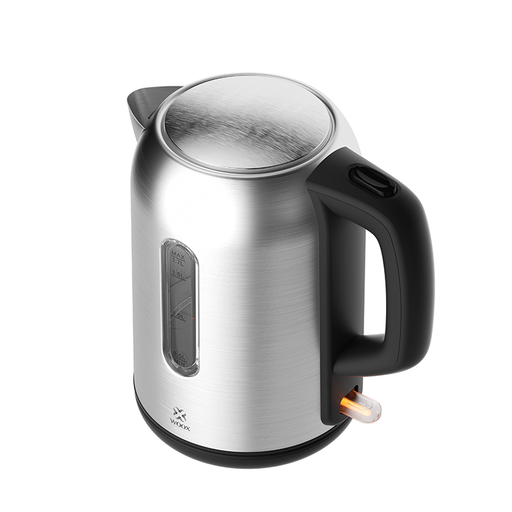
Why it suits this profile: The 1.7-litre capacity is suitable for several cups of tea or coffee, as well as instant meals. The stainless-steel body is ideal for anyone looking for a straightforward everyday kettle without complicated controls.
The product description mentions BPA-free materials and fast boiling. Before buying, check the exact safety features and fill markings in the current product specifications.
1.7-litre capacity; stainless-steel construction; described as BPA-free; designed for tea, coffee and hot meals.
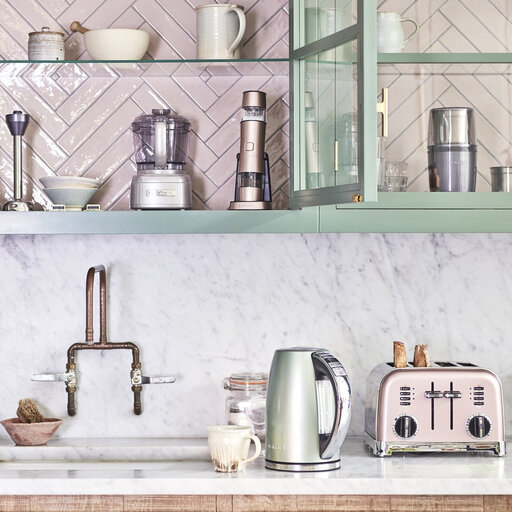
Why it suits this profile: This model combines a 1.7-litre capacity with temperature settings and a stainless-steel body. That makes it suitable for users who prepare tea and coffee at different temperatures.
The temperature control means you are not limited to choosing between lukewarm and boiling water. The minimum temperature listed in the specifications is 85 °C.
1.7 litres; 3,000 watts; temperature settings; automatic shut-off; 360-degree swivel base.
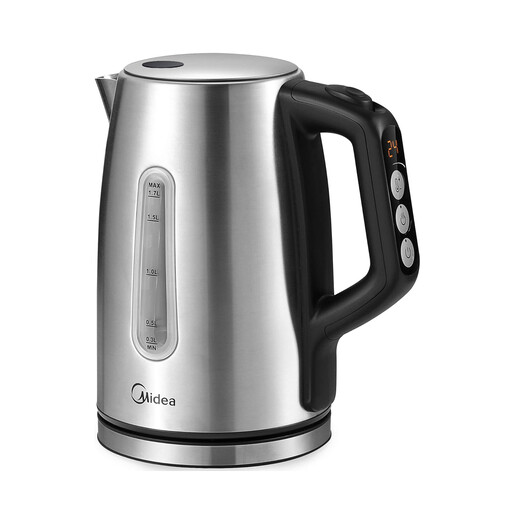
Why it suits this profile: The six temperature settings from 40 to 100 °C and the keep-warm function for up to 60 minutes are practical for tea, coffee and repeated use throughout the morning.
The product information lists automatic shut-off, boil-dry protection and a limescale filter. This makes the key safety and maintenance features clear.
2,200 watts; 1.7 litres; six temperature settings; keep-warm function for up to 60 minutes; BPA-free according to the product information.
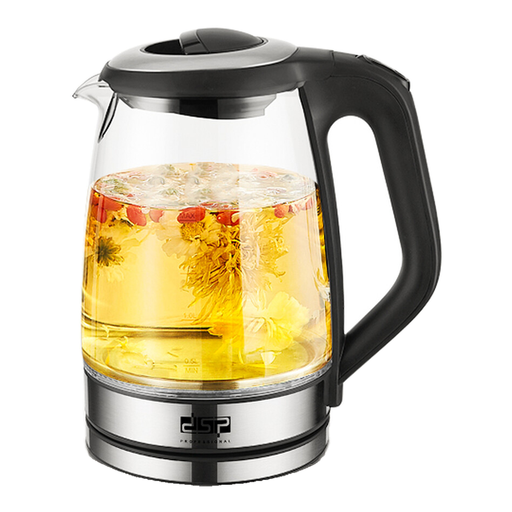
Why it suits this profile: The glass body makes the water level visible. The 1.7-litre capacity, built-in strainer and 360-degree swivel base are well suited to households that use their kettle frequently.
The water level is not hidden inside a fully enclosed body. The product description mentions automatic shut-off and boil-dry protection.
Glass body; 2,200 watts; built-in strainer; LED lighting; 360-degree swivel base.
We have compiled a complete, up-to-date list of products that fully meet these strict selection criteria and the applicable European safety regulations.
A kettle only uses electricity while heating or keeping water warm. Consumption depends on the power rating, the amount of water and the length of use. A 2,200-watt appliance theoretically uses 0.55 kWh when running at full power for 15 minutes. In practice, heating takes less time, so consumption per boiling cycle is lower.
For one cup of tea, it is more efficient to measure out one cup of water rather than filling the entire kettle. A keep-warm function can be convenient, but it uses electricity for longer. Switch it off when you no longer need the water.
Its lifespan depends on usage, water quality, maintenance and the quality of components such as the heating element and thermostat. Descaling regularly helps to limit limescale build-up. Replace the appliance if the cable, plug, body or automatic shut-off does not work properly.
A glass model makes the water level and limescale build-up easy to see. However, glass can become hot during and after boiling and must be handled with care. Choose a model with a stable base, a safe handle and clear maintenance instructions.
Choose a tea and coffee kettle with temperature control if you prepare different types of tea or coffee. A model with settings between approximately 40 and 100 °C offers more control than a standard model that only heats water to boiling point. Always check which temperature settings are actually listed in the product specifications.
