
Vandaag of morgen in huis

Kwaliteit gegarandeerd

Welkomstaanbiedingen ontgrendelen: GRATIS bezorging | Tot 80% korting | Gratis 30 dagen JoyPlus-proefperiode
Download de app
An electric kettle may seem like a simple appliance, but the differences between models often come down to the details. A low purchase price can be tempting, but an awkward spout, limited temperature settings or hard-to-clean interior can become a daily annoyance. Whether you’re buying for your home, office or a tea-loving household, it’s worth looking beyond just the wattage and colour.
A 1.7-litre kettle is handy for several people, but if you’re making just one or two cups, you’ll often end up heating more water than you need. That takes extra time and energy. For many households, a 1.5-litre kettle is a practical middle ground. A 1-litre model may make more sense for a student room, small office or compact kitchen.
Check the minimum fill level, too. A kettle that only works well when it’s fairly full is less convenient for making a single cup of tea or coffee.
The wattage tells you something about the heating element, but it doesn’t tell you on its own how quickly a full kettle will boil. A 2,200-watt model may heat efficiently, but the amount of water, its starting temperature and the kettle’s design all play a part. So check the wattage, capacity and boiling time together in the product information.
A fast-boil kettle is particularly useful if you often make several cups one after another. For occasional use, a lower wattage may be enough.
A digital kettle with a display, keep-warm function or several temperature settings may sound appealing. But you’ll only use these features if they’re easy to operate. If you mainly make black tea and coffee, boiling to 100 °C may be all you need. For green tea, filter coffee or different types of tea, a temperature-controlled kettle can be a practical choice.
Also check whether the keep-warm function stays on for minutes or hours. Product specifications vary considerably.
Choose the capacity according to how many people will use it:
Many models have a wattage of around 1,800 to 2,200 watts. A higher wattage can reduce the waiting time, but check that your socket and electrical circuit can handle several appliances running at once.
A standard kettle usually switches off once the water reaches boiling point. A temperature-controlled kettle lets you choose from settings such as 40, 45, 60, 70, 80, 90 or 100 °C, depending on the model. This can be useful for tea and coffee, where boiling water isn’t always ideal.
A kettle with a keep-warm function keeps the water at temperature for a set period after heating. The duration varies: some models specify 30 minutes, while others keep water warm for up to 60 minutes or longer. Don’t just check whether the function is included; look at the available temperature settings and how easy it is to use.
A stainless steel kettle often has a metal interior or casing. A glass kettle lets you see the water level and suits a modern kitchen, but the glass and steam can get hot during use. With plastic kettles, check which parts come into contact with the water.
If you’re specifically looking for a BPA-free kettle, check that this is clearly stated in the product information. A general claim that it’s made from “safe materials” isn’t enough.
At a minimum, look for:
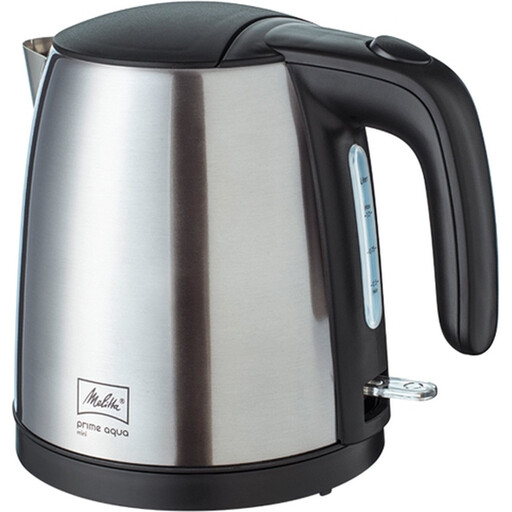
Why it suits this buyer: The 1-litre capacity is ideal for one or two people, so you won’t boil more water than you need for a single cup.
Its compact capacity makes it an easy choice. The product information lists automatic shut-off and boil-dry protection.
1-litre capacity, 2,200 watts, stainless steel casing, 360° base and water-level indicator.
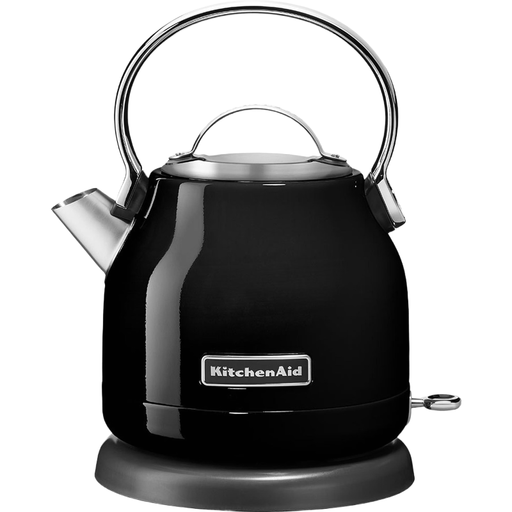
Why it suits this buyer: This model combines a 1.25-litre capacity with a metal design and a focus on controlled pouring.
The product description lists an ergonomic handle, easy-pour spout, removable lid and automatic shut-off.
2,200 watts, stainless steel, cordless jug, 360° swivel base and 1.25-litre capacity.
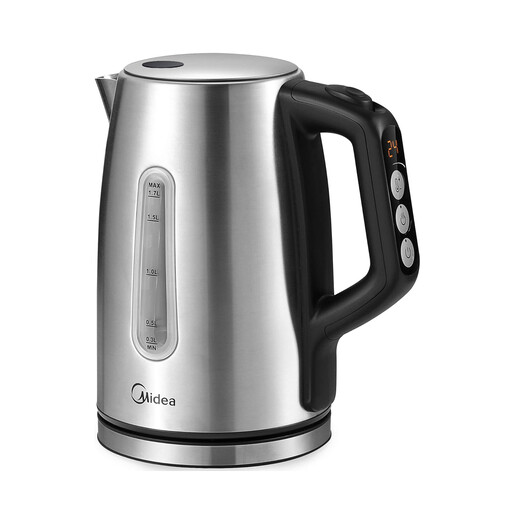
Why it suits this buyer: Its generous capacity and range of temperature settings make it a good fit for families, tea lovers and anyone who prepares several drinks one after another.
The specifications list six temperature settings from 40 to 100 °C, a keep-warm function for up to 60 minutes, automatic shut-off and boil-dry protection.
1.7-litre capacity, 2,200 watts, stainless steel design, limescale filter and adjustable temperature for tea and coffee.
We’ve put together a complete, up-to-date list of products that meet these strict selection criteria and the applicable European safety regulations.
For everyday use, a wattage of around 1,800 to 2,200 watts is a sensible choice. A higher wattage can speed up heating, but the result also depends on the amount of water and the kettle’s design. Only fill it with the amount you need, and never go above the maximum fill mark.
Its lifespan depends on how often you use it, the hardness of your water, maintenance and the materials it’s made from. Regular descaling helps reduce limescale build-up around the heating element and filter. Don’t leave water in the kettle for long periods, and check the manual for suitable cleaning products. Stop using the kettle if its cord, plug or casing is damaged.
Electricity use depends on the wattage and how long the kettle is running. A 2,200-watt kettle only uses that much power while it’s heating. Boiling a small amount of water each time helps reduce the total heating time. Temperature control and a keep-warm function can be handy, but keeping water warm also uses energy for as long as the function is on.
