
Vandaag of morgen in huis

Kwaliteit gegarandeerd

Welkomstaanbiedingen ontgrendelen: GRATIS bezorging | Tot 80% korting | Gratis 30 dagen JoyPlus-proefperiode
Download de app
An electric hotplate is useful in a student room, small flat, office, holiday home or on the campsite. At home, too, a portable hotplate can provide an extra cooking zone when entertaining. However, many models look similar, while the differences in heating, size, controls and cleaning can be considerable.
Pay particular attention to these three common pitfalls:
A portable hotplate with one zone is suitable for simple meals, soup, pasta or as an extra cooking zone. If you want to use two pans at the same time, a double hotplate is a better choice. A model with two separate control knobs gives you more control over both zones.
For cooking at the table, a teppanyaki grill, electric grill plate or tabletop grill is a more suitable option. These appliances usually have a wide cooking surface and are designed for preparing meat, fish, vegetables or eggs together. A warming plate, on the other hand, is not designed to cook raw ingredients thoroughly. Its lower temperature is intended to keep plates and dishes at serving temperature.
For a student room or camping, a compact hotplate that is lightweight and has an easy-to-store cable is practical. When using it outdoors, always check the manufacturer’s instructions, moisture protection and whether the socket is suitable.
Power is expressed in watts. An electric hotplate of 1,000 to 1,500 watts may be suitable for small portions. Models around 2,000 watts generally heat more powerfully, but they also place a greater load on the circuit. A double hotplate can increase the total power demand further.
Use a suitable, earthed socket and check that several high-powered appliances are not connected to the same circuit. An extension lead is only suitable if it is rated for the appliance’s power and may be used according to the instructions.
A classic electric hotplate works with a heating element and is generally suitable for various types of pan. An induction hob heats the pan using a magnetic field. This requires pans with a magnetic base, such as many cast-iron and magnetic stainless-steel pans.
A ceramic hob often refers to the smooth glass-ceramic surface. This surface is easy to wipe clean, but may remain hot for a long time after use. Look for an indicator light or residual-heat indicator. Also check the diameter of the cooking zone in relation to your pans.
Measure not only the cooking surface, but also the space around the appliance. Ventilation openings must remain clear during use, and flammable materials such as tea towels and packaging should be kept away.
A continuously variable dial is simple to use and allows ongoing adjustment. A digital model may offer additional features such as several settings, a timer or automatic shut-off. These can be useful, but are not essential for everyone.
For grill plates, look for a fat drainage channel, a removable collection tray and clear cleaning instructions. A non-stick coating will usually require a soft cloth. Never immerse an electrical appliance, thermostat, plug or cable in water.
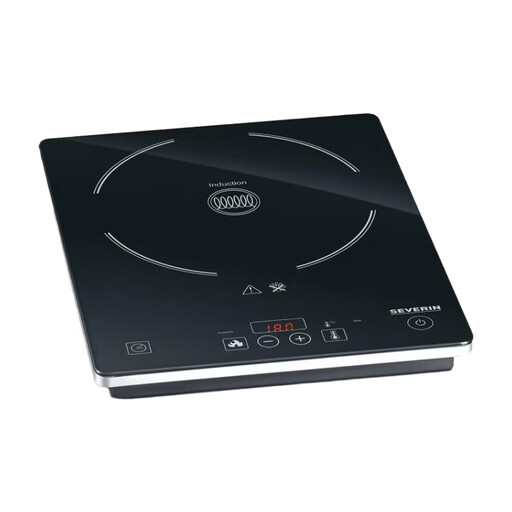
Why it suits this profile: This single hotplate has a compact design, 2,000 watts of power and continuously variable temperature control for everyday cooking.
The specifications state both the power and the type of surface and controls. This means you do not have to rely solely on a marketing term such as “fast”.
2,000 watts, ceramic glass surface, continuously variable control knob and indicator light.
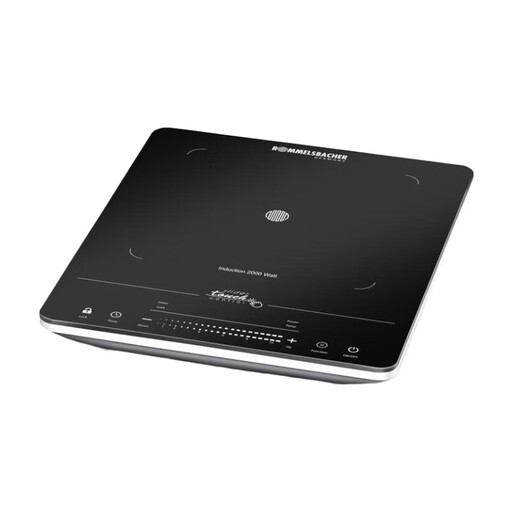
Why it suits this profile: This induction model combines a portable format with touch controls, ten power levels and an adjustable temperature of 60 to 240 °C.
The automatic pan detection makes it clear that suitable induction pans are required. This helps prevent a disappointing purchase caused by incompatible pans.
2,000 watts, timer of up to 99 minutes, ten settings and glass-ceramic surface.
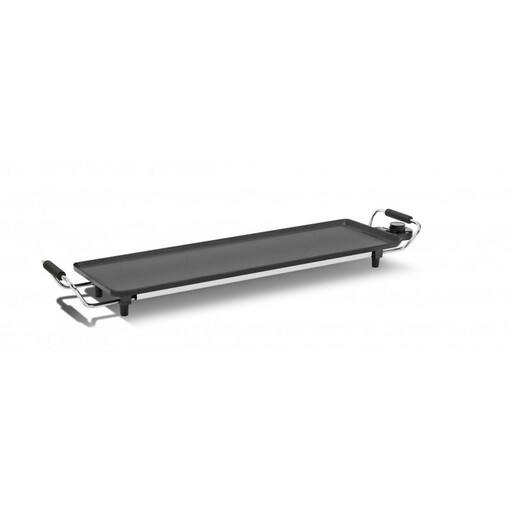
Why it suits this profile: The 70 × 22 cm cooking surface provides room to prepare several ingredients at once during family dinners or gatherings.
The large surface means you do not have to cook small portions one after another for a group. The collection tray helps catch excess fat.
70 × 22 cm, non-stick surface, adjustable thermostat and removable drip tray.
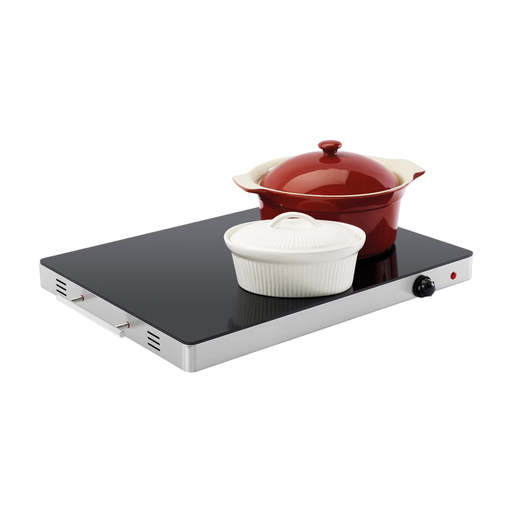
Why it suits this profile: This 54 × 41 cm warming plate is designed for serving dishes and plates during a family dinner or buffet.
Its purpose is clearly defined: this appliance keeps food warm and is not a substitute for a hotplate when cooking raw ingredients.
54 × 41 cm, adjustable temperature from 20 to 130 °C and glass top plate.
We have put together a complete, up-to-date list of products that fully meet these strict selection criteria and the applicable European safety regulations.
Always place an electric hotplate on a flat, stable and heat-resistant surface. Do not leave the appliance unattended during use. The plate may still be hot after being switched off, so wait until it has cooled completely before cleaning and storing it.
The lifespan depends on how often it is used, how it is cleaned and how it is stored. A smooth surface can stay in good condition for longer if you remove spilled food as soon as the appliance has cooled and use suitable pans. Before buying, check that a manual, manufacturer contact details and warranty information are available. Within the EU, consumers generally have a legal guarantee of at least two years, under which the product must conform to the contract.
Yes, provided the space is suitable for safe cooking and a stable, earthed socket is available. Choose a model that fits the available worktop space and check the ventilation. A single hotplate is usually sufficient for simple meals; a double hotplate offers more flexibility but requires more space and may use more electricity.
Consumption depends on the power and how long the appliance is used. A 2,000-watt appliance running at full power for one hour theoretically uses 2 kWh. In practice, the thermostat often switches on and off, so actual consumption may vary. Multiply the consumption in kWh by your current electricity tariff for an estimate.
Use a pan with a magnetic base. Hold a magnet against the underside of the pan: if it stays firmly attached, the pan is often suitable for induction. Also check the minimum and maximum pan diameter in the product information. A classic electric hotplate will generally work with more materials, but the pan must still sit flat on the cooking zone.
