
Vandaag of morgen in huis

Kwaliteit gegarandeerd

Welkomstaanbiedingen ontgrendelen: GRATIS bezorging | Tot 80% korting | Gratis 30 dagen JoyPlus-proefperiode
Download de app
By: Joybuy Product Recommendation OfficerDate: July 18, 2026
Whether you have limited kitchen space, need a cooking solution for camping, or just want an extra burner for a dinner party, an electric hot plate is a practical and flexible solution. However, the market can be overwhelming. From a simple single-burner hot plate to an advanced induction cooktop, the choices are numerous.
This guide is here to help. We'll cut through the noise and provide practical advice to help you find a model that fits your needs—without the marketing jargon. We'll examine the key specifications and determine which type of hot plate is right for you.
Before making a decision, it's important to consider a few key features. These will determine how the hot plate performs in practice and whether it meets your specific requirements.
The most important choice is between a traditional electric hot plate and an induction cooktop.
The choice for the number of burners depends entirely on your intended use.
The power, measured in Watts (W), determines how quickly the hot plate heats up. A higher wattage means faster boiling water but also higher energy consumption. For most applications, a power rating between 1500W and 2000W per burner is more than sufficient. Also, consider the controls: a simple rotary knob is straightforward and robust, while a touchscreen with timer functions offers greater precision and convenience.
Based on specifications and use cases, we've highlighted some popular choices for you.
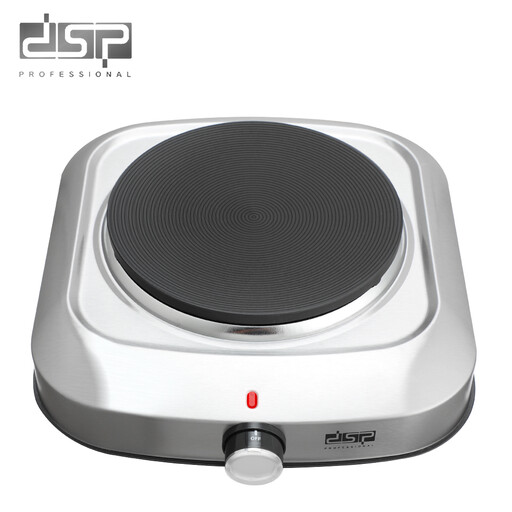
Why It Stands Out: This is a classic, no-frills electric burner. Its stainless steel housing and cast-iron plate make it a durable and reliable appliance. Operation is incredibly simple with a single rotary knob.
Pros:
Who is this for?: Ideal for students, campers, or as an extra burner at home. It's perfect for anyone seeking a reliable, simple, and affordable solution. Note: Like many similar appliances, it may emit a slight odour during its first use due to the protective coating. This will dissipate after a few minutes of ventilation.
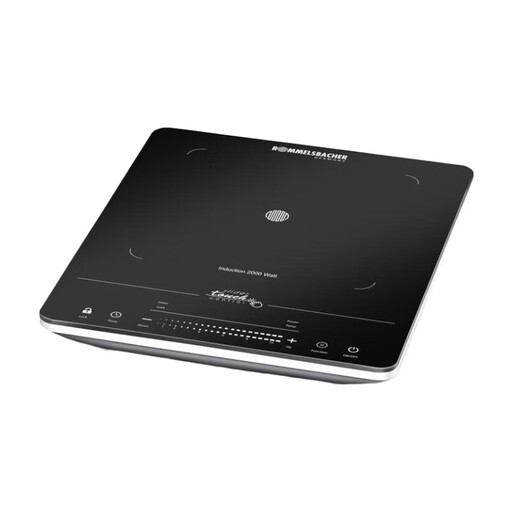
Why It Stands Out: This freestanding cooktop from Rommelsbacher uses induction technology, which means faster cooking and more efficient energy use. The glass-ceramic surface and touch controls give it a sleek, modern look.
Pros:
Who is this for?: For those who want the benefits of induction in a compact form factor. It's suitable for small kitchens, studios, or offices where speed, safety, and energy efficiency are priorities.
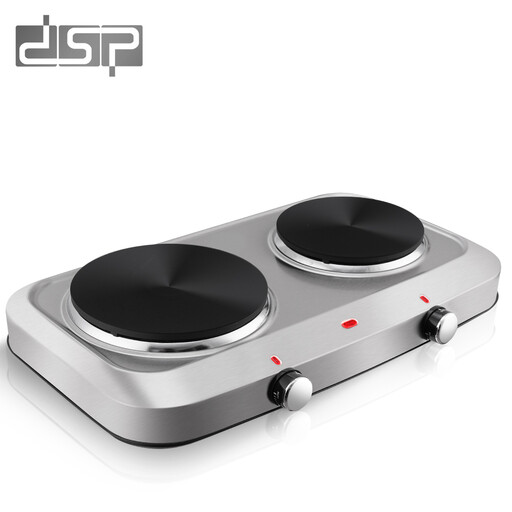
Why It Stands Out: This double-burner hot plate allows you to prepare two dishes at once. With a powerful 1500W burner and a smaller 1000W one, you have the flexibility for various cooking tasks.
Pros:
Who is this for?: An excellent choice for small households, as a temporary cooktop during a renovation, or for use in a holiday home. It offers nearly the functionality of a small stove in a compact, portable form.
The models above are popular choices for specific needs. If they aren't quite what you had in mind, there are many other options available, from ceramic cooktops to models with different specifications. Explore our wider selection to find the perfect match for your kitchen.
1. What is the main difference between an electric and an induction hot plate? The biggest difference lies in the technology. An electric hot plate heats an element, which then transfers that heat to the pan. An induction cooktop uses a magnetic field to heat the pan directly. As a result, induction is faster, more energy-efficient, and safer, but it requires induction-compatible cookware.
2. Can I use any pan on an electric hot plate? On a traditional electric hot plate (with cast-iron or coil burners), you can use almost any pan with a flat bottom. For an induction cooktop, you need pans with a magnetisable (ferrous) base.
3. How much electricity does a portable hot plate use? Consumption depends on the power rating (in Watts) and how long you use it. A 1500W hot plate will use 1.5 kilowatt-hours (kWh) if left on at full power for one hour. Since you rarely use it at maximum power continuously, the actual consumption will be lower in practice. Induction cooktops are generally more economical because they lose less heat to the surrounding environment.
