
Cook who makes sauce and pasta at the same time
Wants to cook with two pans after a visit to the market and control each dish separately. Inventum, ETNA and Tristar product information describes freestanding hobs with two zones.


For cooking lentil Bolognese and pasta at the same time, two independently controlled cooking zones are useful. With one zone, you’ll need to cook the sauce and pasta one after the other. Then choose between a freestanding hob and a built-in model based on your kitchen and electrical connection. If you’re considering induction, check that your pans are compatible. A hob with electric heating elements avoids this specific pan requirement, but the cooking zones themselves get hot.
Wants to cook with two pans after a visit to the market and control each dish separately. Inventum, ETNA and Tristar product information describes freestanding hobs with two zones.
Is looking for a freestanding hob and wants to know whether the plug and rated power are compatible with their existing connection. The Consumers’ Association discusses points to consider with single-phase induction; Inventum lists a freestanding model with a single-phase connection.
Wants to check whether their current pans are suitable for induction, or would rather choose a hob with electric heating elements. Milieu Centraal and the Netherlands Nutrition Centre explain induction and ceramic cooking; Tristar lists heating elements for the KP-6152.
Choose this when: you want to simmer the sauce while pasta cooks on a second zone, and your pans are suitable for induction.
Bear in mind: the connection, total rated power and how power is distributed between the two zones.
Choose this when: you usually use one pan, for example, just for the sauce.
Bear in mind: to use two pans at the same time, you’ll need a second cooking appliance or you’ll have to cook the dishes one after the other.
Choose this when: you want to control two pans separately and the need for induction-compatible pans is a concern.
Bear in mind: the zones get hot; also check that they’re the right size for your pans.
Choose this when: you want a permanent kitchen setup, possibly with more zones for preparing extra dishes.
Bear in mind: the cut-out, electrical connection and any alterations or professional installation required.
| Point to consider | What should you check? | Who is this most relevant to? |
|---|---|---|
| Cooking two dishes at the same time | Check how many independently controlled zones there are and whether both pans will fit comfortably. | If you want to simmer sauce after visiting the market while pasta cooks, two separately controlled zones are the top priority; around 33% of consumers give simultaneous cooking the highest priority. |
| Connection and installation | Compare the plug and rated power of the exact model with your existing connection; for a built-in hob, also measure the cut-out. | If you don’t want building work and are unsure about the plug or available connection, finding a model that’s compatible with your installation is essential; around 27% of consumers prioritise the connection and installation. |
| Simmering and cleaning | Check whether the model has separate settings, a timer or a residual heat indicator; a timer does not replace supervision. | If you want to simmer the sauce gently and clean the hob after cooking, ease of control and cleaning matter most; around 20% of consumers choose this as their main consideration. |
| Pans and additional costs | If you’re considering induction, test your existing pan bases with a magnet and check the pan sizes and whether installation work may be needed. | If you want to keep using your current pans and avoid extra spending on cookware or kitchen alterations, keeping your pans and staying within budget come first; around 20% of consumers share this priority. |
A single-phase connection or plug doesn’t automatically mean that both zones can run at their highest setting at the same time. Rated power and plugs vary by model.
Check the plug, rated power and power distribution for the exact version, then compare them with your existing installation.
Induction requires a suitable, magnetic pan base. Your saucepans and pasta pans may not all be compatible.
Test the pan base with a magnet beforehand and compare the pan sizes with the cooking zones.
A built-in hob may also require changes to the cut-out or electrical connection, as well as installation.
Before ordering, check what your kitchen and electrical connection require, and ask for an installation quote if needed.
A product listing may not always clearly identify the cooking technology or model number.
Check the full model number and cooking technology in the manufacturer’s information before assuming that an offer is for the same appliance.
Inventum describes the VKI3020ZWA as a freestanding induction hob with two zones and a single-phase connection.
ETNA describes the KIV12ZIL as a freestanding induction hob with two zones, designed for a compact kitchen.
Tristar describes the KP-6152 as having two freestanding electric cooking zones with heating elements and separate thermostats.
Severin describes the KP 1032 as a portable induction hob with one zone, for anyone who uses one pan at a time.
Bosch describes the PKF611BB2E as a built-in ceramic hob with four zones.
This selection includes freestanding hobs for one or two pans, as well as built-in models. The NVWA states that CE marking is mandatory for electrical consumer products offered for sale in the Netherlands; check the marking and documentation for the exact model.
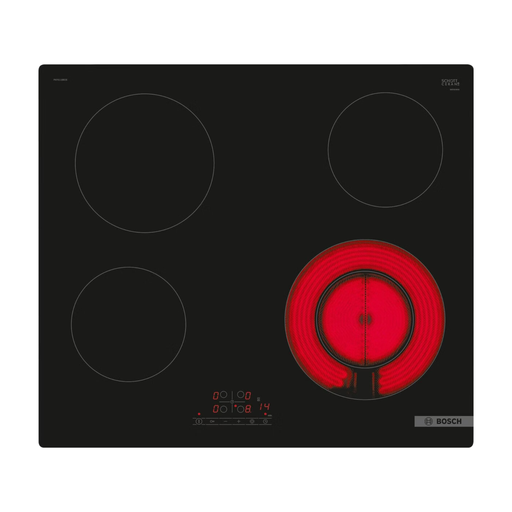 Image unavailable
The four zones provide space for several pans at once.
It lists 17 power settings and a timer for each zone; the stated recess size is 56 × 49 × 4,5 cm.
According to the product description, a two-phase connection with a 5-pin Perilex plug is required. The cable and plug are not included, and professional installation is required.
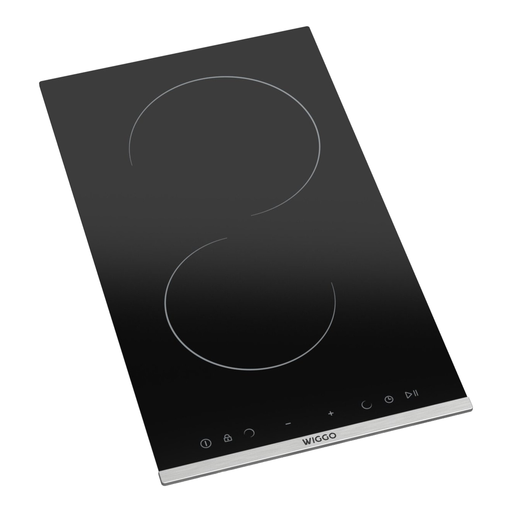 Image unavailable
The two zones are designed for cooking two dishes at once, such as sauce and pasta.
The stated zone power ratings are 1400 W and 1800 W; the description lists separate timers and touch controls.
This is a built-in model; the product description specifies installation by a qualified electrician. Use suitable induction pans.
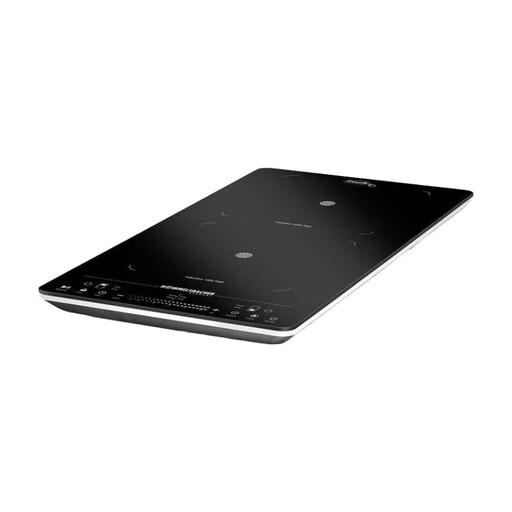 Image unavailable
This portable induction hob has two independently controlled zones, arranged vertically.
The description lists ten power and temperature settings, a timer and a compatible pan diameter of 120–260 mm.
Use induction pans with a flat magnetic base. The product description warns that the surface can get hot.
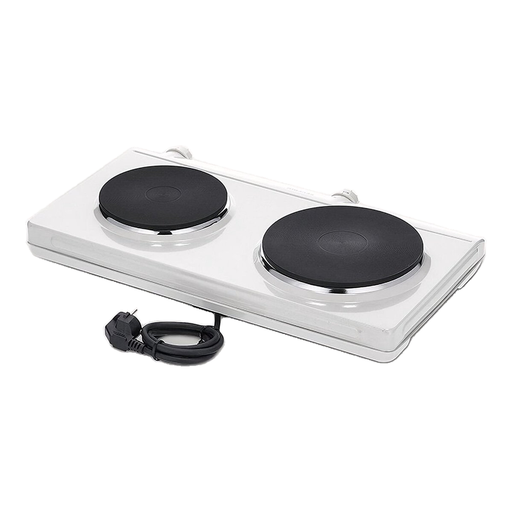 Image unavailable
This freestanding electric hob has two zones for using two pans at the same time.
The stated specifications list a total power of 2500 W and separate temperature controls.
The hotplates get hot; place the appliance on a stable, heat-resistant surface and keep flammable materials away.
 Image unavailable
With one zone, you can use a saucepan, for example; you’ll need a second cooking appliance to prepare sauce and pasta at the same time.
The stated specifications list 2000 W, a cooking zone of Ø 26 cm, ten power settings and a timer of up to three hours.
Use a suitable induction pan with a flat base.
Yes, one zone may be enough for a pan of sauce. If you want to cook pasta in a second pan at the same time, use two suitable zones or prepare the dishes one after the other.
Yes. The Netherlands Nutrition Centre says dried pulses should be cooked until tender according to the preparation instructions. Pulses in a tin, jar or pouch have already been heated and, according to the label, only need to be warmed through.
Don’t rely on the single-phase label alone: compare the plug and rated power of the exact model with your connection. The ETNA product page for the KIV12ZIL lists a two-pin plug without an earth connection, while the Consumers’ Association’s general connection advice refers to an earthed socket. Follow the appliance’s installation instructions and ask a professional to check your connection if you’re unsure.
Let a hot zone cool down before touching or cleaning it; ceramic cooking zones retain residual heat. Milieu Centraal says an induction surface can be cleaned with a cloth and washing-up liquid. Also follow your appliance’s cleaning instructions.
Yes, the NVWA states that CE marking is compulsory for electrical products offered for sale in the Netherlands. Check the marking and accompanying product documentation for the exact model.