
Chutney-maker who wants a gentle simmer
You cook tomatoes down for a long time and want to adjust the heat as you stir. Whether induction is suitable also depends on the base of your pan.


Start with your pan and the worktop space available; only then choose between induction, ceramic or cast iron, and the controls that come with each. Induction responds more quickly to adjustments than ceramic hobs, but requires a flat, magnetic pan base (Consumentenbond; Coolblue). None of the settings or timers mentioned proves that a hob can maintain a steady simmer over a long period. Check the manual and the CE marking on the specific appliance too; according to the Netherlands Food and Consumer Product Safety Authority, this is required for electrical products placed on the market in the Netherlands.
You cook tomatoes down for a long time and want to adjust the heat as you stir. Whether induction is suitable also depends on the base of your pan.
You want one practical cooking zone, but you also need to leave space around the appliance. The clearance required varies by model.
You want to know in advance whether the base of your chutney pan is suitable for your chosen heating technology and cooking zone.
First check that your pan and the available space are suitable for the appliance; then consider the controls, number of cooking zones and any usage requirements.
| What to consider | What should you check? | Who is this important for? |
|---|---|---|
| Adjusting the heat | Check the heat settings and timer, but don’t assume they guarantee a steady, low simmer. | If you’re cooking chutney down for a long time, you’ll want to adjust the heat without losing track of the cooking. Around 36% of consumers prioritise simmer control. |
| Worktop space | Measure the hob and pan together, and follow the positioning and ventilation instructions for your chosen model. | If worktop space is limited, you’ll want to know whether the appliance can be positioned safely without making the available space unusable. Around 29% of consumers prioritise the amount of worktop space required. |
| Existing pan | For induction, check that the pan base is flat and magnetic; also compare its size with the requirements for the model. | If you want to keep your current chutney pan, its base may determine which heating technology works for you. Around 21% of consumers prioritise keeping their existing pan. |
| Using two pans at once | Check that both pans fit on the cooking zones, and consider the total power and any other appliances on the same circuit. | If you often use a second pan alongside your chutney, being able to cook on both at once will affect your choice. Around 14% of consumers prioritise using two pans simultaneously. |
A glass surface doesn’t tell you which heating technology the appliance uses. For induction, you need a suitable pan with a flat, magnetic base, according to Consumentenbond. The Joybuy listing for the Severin KP 1071 also describes different controls from Severin’s product information.
Check the full model number, heating technology and pan requirements in the information for the exact version.
The Inventum KI120T manual requires a flat, heat-resistant surface and at least 10 cm of clearance at the sides and back. It also warns against use in small spaces; these instructions apply to this model.
Measure the space around the appliance too, and follow the manual for the model you’re considering.
A timer can switch the hob off after a set time, but it won’t check whether the chutney is burning or boiling over.
Stay nearby while it cooks down, stir when needed and never leave a switched-on hob unattended.
The KI120T is a single-ring induction hob for anyone with a suitable pan who needs one cooking zone.
The models reviewed include a single-ring ceramic hob and a single-ring hob with a cast-iron cooking zone.
The KP-6245 is a double-ring option for anyone who wants to use a second pan alongside their chutney pan.
According to Severin, the KP 1071 is a portable single-ring induction hob with pan detection.
This selection features portable single-ring induction and ceramic hobs for cooking one pan of chutney. Induction requires a suitable pan. For an electrical appliance, also check the CE marking on the specific item on offer; the Netherlands Food and Consumer Product Safety Authority states that this marking is required for electrical products placed on the market in the Netherlands.
 No image available
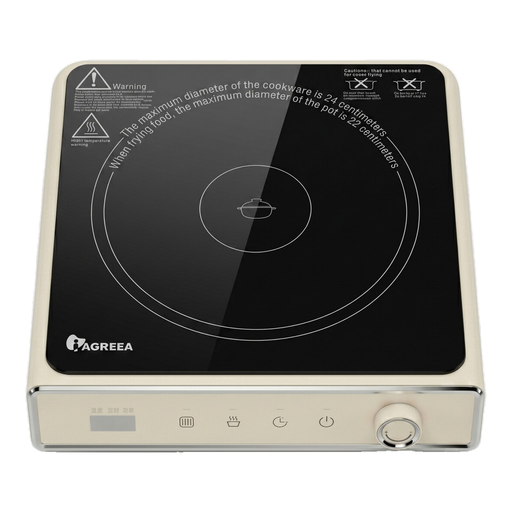
A portable single-ring option if your chutney pan is suitable for induction.
2000 W; 8 power settings; temperature settings from 60–270 °C; 3-hour timer; suitable for pans measuring 12–26 cm.
Induction requires a suitable pan with a flat, magnetic base.
 No image available
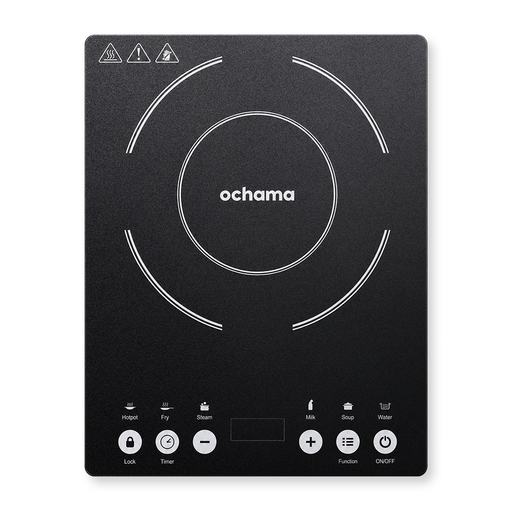
A portable electric hob with one cooking zone for anyone who isn’t looking for an induction hob.
2000 W; 8 temperature settings and 8 power settings; 180-minute timer; automatic switch-off after 1 hour.
 No image available
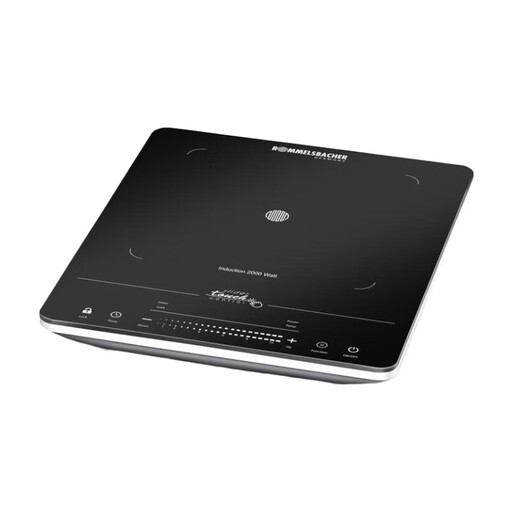
A portable single-ring option for one chutney pan, provided it’s suitable for induction.
2000 W; 10 power settings; 6 functions; touch controls.
Suitable for pans with a magnetic base.
 No image available
A single-ring induction hob for anyone with a suitable pan who needs one cooking zone.
2000 W; Ø 26 cm cooking zone; 10 power settings; touchscreen; timer.
Suitable for induction pans measuring 12–26 cm in diameter.
 No image available
A portable induction hob with one cooking zone for a chutney pan that’s suitable for induction.
Before use, check that your pan’s base is suitable for induction.
Only if its base is flat and magnetic. Also check the size specified by the manufacturer for your chosen model; Inventum recommends pans measuring 15 to 20 cm for the KI120T.
It varies by model. Inventum specifies a single-phase plug for an earthed socket for the KI120T. For other hobs, check their connection instructions and consider any other appliances on the same circuit.
No. A timer doesn’t replace supervision while the chutney cooks down. The fire service advises against leaving pans on a switched-on hob when you go out.
No. Your choice of hob doesn’t prove that homemade chutney can be safely stored without refrigeration. Voedingscentrum advises against preserving vegetables at home because of the risk of botulism; don’t assume that cooking down a tomato mixture makes it safe to store at room temperature.
According to the Netherlands Food and Consumer Product Safety Authority, CE marking is required for electrical products placed on the market in the Netherlands; check the marking on the specific appliance. The Dutch government states that there is no fixed statutory guarantee period and that the retailer is your point of contact if something goes wrong. A manufacturer’s guarantee doesn’t replace your statutory rights.