
Cook with an existing tagine pan
You want to use your current pan, so you check the instructions for that specific model. The Dutch Consumers’ Association says a flat, magnetic base is essential for induction cooking.


Start with the base of your tagine: induction is only suitable if it’s flat and magnetic, while a solid hotplate is only suitable if the pan’s instructions allow that heat source. One cooking zone is enough for a one-pot meal; two independently controlled zones are handy if you’re making a side dish at the same time. Also check the zone dimensions, the connection and the space available on your worktop.
You want to use your current pan, so you check the instructions for that specific model. The Dutch Consumers’ Association says a flat, magnetic base is essential for induction cooking.
You’re cooking chickpea tagine on one zone, so you look for adjustable heat and a cooking zone that suits the base of your pan.
You want to use a second pan while the tagine simmers, so you look for two independently controlled zones and enough worktop space.
Choose this if: your tagine has a flat, magnetic base and you’re cooking the dish on one zone.
Keep in mind: check the base size and the pan’s instructions; earthenware isn’t automatically suitable for induction.
Choose this if: your tagine’s instructions allow it to be used on that type of electric heat source.
Keep in mind: the hotplate gets hot and needs to cool down after use; also check that the cooking zone suits the base of your pan.
The Dutch Consumers’ Association says a flat, magnetic pan base is essential for induction. Your tagine’s instructions will tell you which heat sources are suitable for that pan.
| What to consider | What should you check? | Who is this important for? |
|---|---|---|
| Pan compatibility | Check the heat sources allowed in the pan’s instructions and compare the base with the cooking zone; for induction, the base must be flat and magnetic. | If I want to keep using my current tagine, the hob needs to suit the pan; around 36% of consumers say keeping their existing pan is their main concern when buying. |
| Adjustable simmering | Check the controls and timer on the exact model, and make sure the cooking zone suits the base of your pan. | For slow cooking, I want to be able to adjust the heat after bringing the dish up to temperature; around 29% of consumers say adjustable simmering is their main concern when buying. |
| Second cooking zone | Check whether the two zones can be controlled independently, whether your pans will fit and whether you have enough worktop space. | If you’re making a side dish alongside the tagine, you’ll want to use both pans at once; around 21% of consumers say making a side dish at the same time is their main concern when buying. |
| Connection and positioning | Compare the connection and rated power with the instructions, and make sure you have a stable, heat-resistant surface. | If I’m putting a portable hob on my worktop, I want to know whether the space and connection are suitable; around 14% of consumers say the connection and positioning are their main concern when buying. |
An induction hob can also have a ceramic-glass surface. It’s the heating technology that determines what kind of pan base you need.
Check the full model number, the stated heating technology and your tagine’s instructions.
Using two zones at once takes up more space and requires a connection that’s suitable for the appliance.
Compare the dimensions and rated power with the space you have, and follow the instructions for connecting the hob.
A different product variant may have controls, heating technology or a cooking zone that don’t match what you’re looking for.
Before buying, check the full model number and compare the relevant product details.
The KP602B is a double hotplate with cast-iron cooking zones, designed for anyone who wants to use a second pan alongside their tagine.
The KP-6245 is an electric hotplate with two independently adjustable cooking zones.
The KP 1071 is a portable single-zone induction hob for a pan that’s confirmed as suitable for induction.
The range includes a portable induction hob and a separate HiLight hotplate with a heating element beneath ceramic glass.
Below are portable hobs for one or two pans. Choose one based on whether your tagine is compatible and whether you want to make a side dish at the same time.
 No image available
Two cooking zones are ideal if you want to prepare your tagine and a side dish at the same time. The product name specifies induction and five temperature settings; only use the hob with a suitable pan base.
 No image available
One cooking zone is ideal for a one-pot meal; check that your tagine’s base is suitable for induction. The product name lists 2000 W, a Ø 26 cm cooking zone, 10 power settings, touch controls and a timer.
 No image available
This portable hob with one cooking zone is ideal if you’re only cooking the tagine on the hob. Check the pan base and your tagine’s instructions before choosing induction.
 No image available
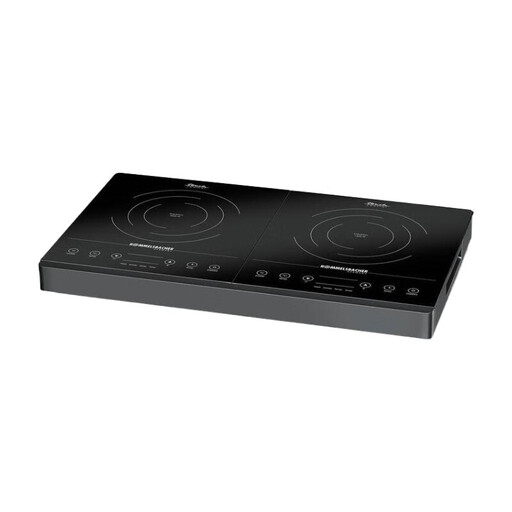
This double version is ideal if you want to use a second pan while your tagine simmers. Check the controls on the exact version and make sure both pans can be placed safely in the space available.
 No image available
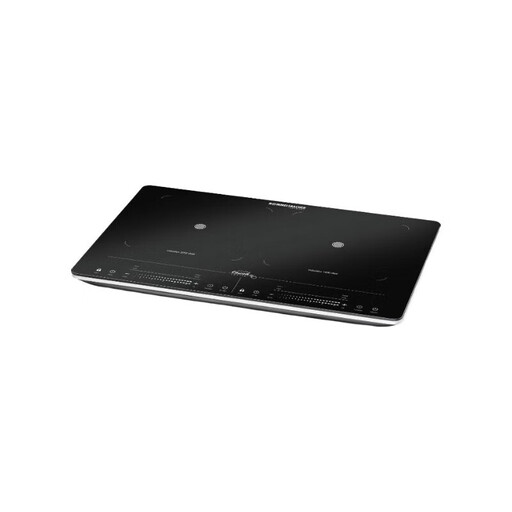
This double version could be a good choice if you want to use two pans at once. Check the stated heating technology, pan requirements and cooking zone dimensions for the exact version.
The material alone won’t tell you: induction requires a suitable, flat and magnetic base. The Dutch Consumers’ Association describes these base requirements; also check your pan’s instructions and make sure the base size is suitable.
The fire service recommends plugging high-power appliances directly into a socket wherever possible. Also follow the hob’s instructions and check that the connection is suitable for the appliance.
Follow the instructions for the exact model. For the KP602B, Inventum specifies, among other things, a flat, heat-resistant surface and says to let the appliance cool down completely before moving it.
You don’t need an extended warranty to have your statutory rights. The Netherlands Authority for Consumers and Markets’ ConsuWijzer explains that your statutory rights apply alongside any manufacturer’s or retailer’s guarantee. If a product is faulty, the retailer is responsible for providing an appropriate solution.
Mains-powered electrical equipment covered by the relevant EU rules must carry CE marking when placed on the market. According to the European Commission, the manufacturer is responsible for assessing conformity; CE marking on its own is not an independent safety test.