
Cooking with a large stockpot
You want the base of the pan to heat evenly while you prepare stock for several people. How well the pan base matches the cooking zone matters more than the number of zones alone.


First, choose a cooking zone that suits the base of your stockpot, then decide how many other pans you want to use at the same time. Induction requires compatible pans; according to Milieu Centraal, its annual comparison shows that it uses less electricity than ceramic cooking or a conventional electric hob with cast-iron heating rings. A freestanding hob is practical if you don’t want to cut an opening in your worktop, but shared power can limit cooking on several high settings at once.
You want the base of the pan to heat evenly while you prepare stock for several people. How well the pan base matches the cooking zone matters more than the number of zones alone.
You’re looking for a freestanding hob for stock and perhaps a side dish, without cutting an opening in the worktop. Bear in mind the connection and how power is shared between the zones.
You want to check whether your stockpot is suitable for induction, or you’d rather choose another type of electric hob.
Best for: anyone who doesn’t want to cut an opening and has an induction-compatible pan.
Bear in mind: shared power can limit cooking on high settings at the same time.
Best for: anyone cooking stock and other dishes at the same time, with space for a built-in hob.
Bear in mind: the cut-out and electrical connection must be suitable for the model you choose.
Best for: anyone looking for extra cooking space without needing induction.
Bear in mind: Milieu Centraal’s annual comparison shows that ceramic cooking uses more electricity than induction; also check that the zone suits the base of your pan.
Best for: anyone looking for a simple, movable extra heat source with rotary controls.
Bear in mind: Milieu Centraal’s comparison identifies conventional electric hobs with cast-iron rings as the electric hobs with the highest annual electricity consumption.
| Factor to consider | What to look for | Who is this important for? |
|---|---|---|
| Large pan base | Measure the base and compare it with the cooking zone and the pan requirements. | If you use a large stockpot to cook for several people, you’ll want the base to suit the zone. Around 31% of consumers prioritise heating a large pan evenly. |
| Connection and cooking at the same time | Check the connected load, plug or connection, and how power is distributed between the zones. | If you want to prepare stock and side dishes at the same time, make sure the available connection can handle it. Around 25% of consumers prioritise cooking several dishes at once without connection problems. |
| Power control | Check the settings and whether the timer switches off each zone or only gives a signal. | If you want to turn the heat down after warming up and keep an eye on cooking time, check the controls and timer. Around 19% of consumers prioritise adjustable power and cooking time. |
| Existing pan | Check whether the base is magnetic and compare the pan size with the cooking zone. | If you want to keep using your stockpot, first check that it’s suitable for the cooking method you choose. Around 13% of consumers prioritise being able to use their existing pans. |
| Use and installation | Compare annual electricity consumption by cooking method and check that the connection suits your kitchen. | If you want to consider in advance whether the hob suits your kitchen and intended use, look at installation and electricity consumption. Around 12% of consumers prioritise this overall assessment. |
With freestanding induction, the available power may be shared between the zones. So having four zones doesn’t automatically mean you can use them all on a high setting at the same time.
Compare the connected load and how power is distributed on the specific model with the dishes you want to prepare at the same time.
With induction, a pan base that doesn’t fit properly can affect detection and heating. The width of the top of the pan doesn’t tell you how its base matches the cooking zone.
Measure the pan base and check the model’s requirements for the zone and pan.
An induction hob can also have a ceramic glass surface. So the surface material alone doesn’t tell you which heating method the hob uses.
Check the product specifications to see whether it’s an induction hob, a ceramic hob or another type of electric hob.
The freestanding VKI6010ZIL induction hob has four zones, making it an option if you don’t want a built-in cut-out and use several pans.
The freestanding KIV164RVS induction hob has four zones and an earthed plug.
The ceramic 303021 and induction 303011 are two different models for adding extra cooking space.
The freestanding DK 1014 has two heating rings with separate rotary controls.
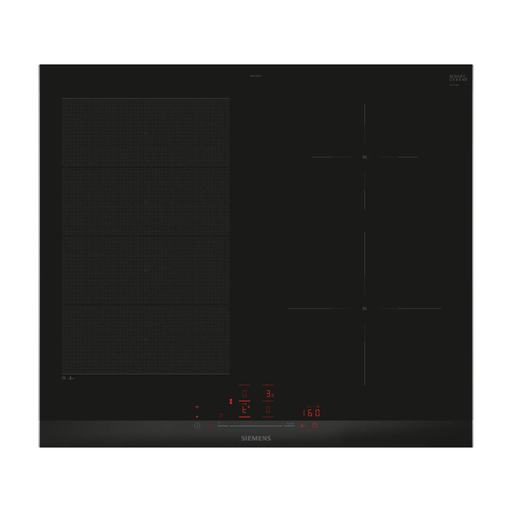
The built-in PIX631HC1E induction hob has four zones and FlexInduction, making it an option for a kitchen where a built-in hob can be fitted.
These Joybuy products are induction hobs for cooking stock and other dishes, from a freestanding model to built-in hobs.
 No image available
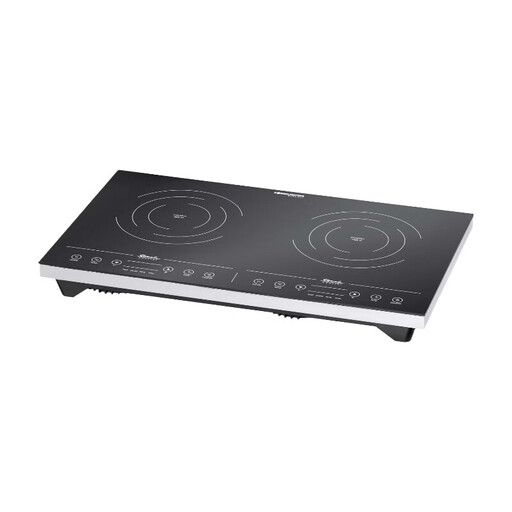
A freestanding model with two zones for stock and another dish; check that your pan is suitable for induction and within the specified size range.
Separate 1,400 W and 2,000 W zones; timer with automatic switch-off; pans up to 230 mm according to the product description.
 No image available
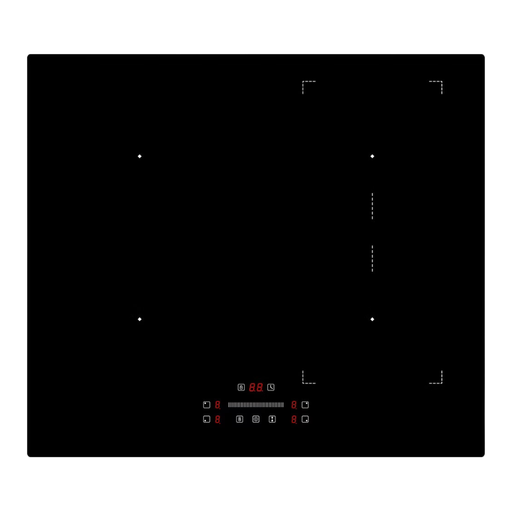
The four zones give you space for stock and other dishes; the bridge function can combine two zones, so check that this layout suits your pan.
Four cooking zones, nine settings, timer and bridge function. This model is designed for built-in installation and comes with a cable without a plug; the description specifies a single-phase connection up to 3.7 kW or a two-phase connection up to 7.6 kW.
 No image available
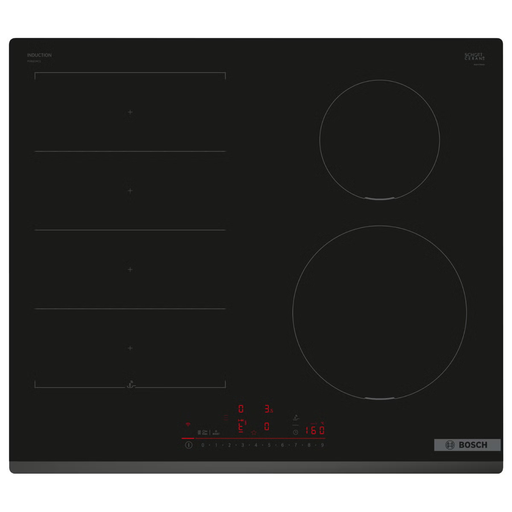
The four zones and FlexInduction may suit cooking with several pans; check the installation dimensions and whether the flexible cooking area suits the shape of your pan.
Four cooking zones, FlexInduction and a specified connected load of 7,400 W. Check that your kitchen connection is suitable before buying.
 No image available
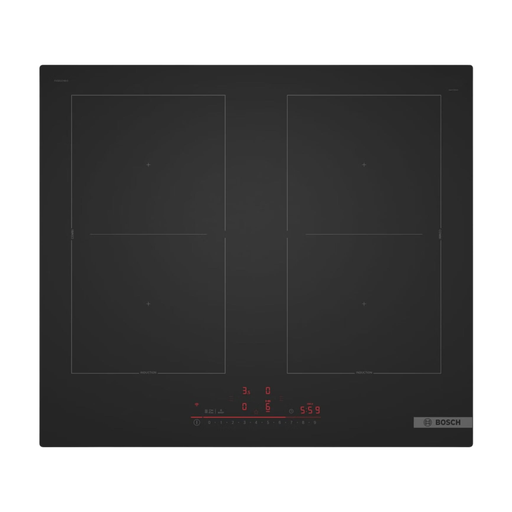
The four zones and CombiZone are designed for use with several pans and can combine two zones; check that the combined area suits the base of your pan.
Four cooking zones, CombiZone and a specified connected load of 7.4 kW. Check the connection required and the installation dimensions.
 No image available
The four zones and FlexInduction are designed for several pans and larger cookware; compare the flexible zone with the base of your stockpot.
Four cooking zones and a flexible zone for pans up to 24 cm according to the product description. Professional installation is required.
You can if the base is suitable for induction and fits the cooking zone. Check for the induction symbol or see whether a magnet sticks to the base, and consult the pan and hob manuals.
No, it depends on the model and connection. Some models come with a plug for a standard earthed socket, but check the manual and the load on the circuit. A powerful built-in hob may need a different connection and professional installation.
The Netherlands Nutrition Centre advises putting leftovers in the fridge, covered and cooled, within two hours of cooking.
According to the Netherlands Government, there’s no fixed statutory warranty period in the Netherlands, but you are entitled to a product that works as it should. Depending on the circumstances, if a product is faulty you may be entitled to a repair, replacement or refund.
No, the ISDE scheme has conditions. The Netherlands Enterprise Agency lists requirements including being a homeowner, buying a new product, and having a home connected to a heat network and no longer connected to the gas network. Check the full scheme details to see how they apply to you.