
Families using several pans at once
You’re stir-frying vegetables while cooking rice or another side dish. Look at the usable space for your pans and how much power remains available when several zones are on.


For stir-frying vegetables while preparing a side dish, induction is a good fit if your pan base matches the cooking zone and the electrical connection can supply enough power. A freestanding, single-phase model may suit you if you don’t want a built-in hob, but it shares the available power between zones when several are in use. For a built-in model, also check the cut-out dimensions and wiring diagram. Ceramic is an alternative if you don’t want to use induction-compatible pans, but it responds more slowly.
You’re stir-frying vegetables while cooking rice or another side dish. Look at the usable space for your pans and how much power remains available when several zones are on.
You want the cooking zone to detect your pan’s base and heat it appropriately. Compare the base of the pan with the zone, rather than looking only at the wok’s wide rim.
You’re looking for a hob that doesn’t need a new built-in cut-out. A freestanding, single-phase model designed for this purpose may be suitable, provided your socket and circuit are up to the job.
Choose a hob that fits your wok, then check that the available space and electrical connection suit the rest of your family meal.
| What to consider | What to look for when buying | Who is this important for? |
|---|---|---|
| Cooking several dishes at once | Check the position of the zones, the connected load and how the model distributes power when several zones are on. | If I’m cooking vegetables and a side dish at the same time, I want enough space and usable power for both pans. Around 36% of consumers prioritise being able to cook several dishes at once. |
| Wok and cooking zone | Check whether your pan is suitable for induction and compare its base size with the pan sizes specified by the manufacturer for the model. | I want to know whether my wok’s base fits the induction zone, as its wide rim doesn’t tell me how large the heated base is. Around 29% of consumers prioritise finding a hob that fits their pans. |
| Positioning and connection | Compare the wiring diagram and appliance dimensions with your circuit, socket and any existing cut-out. | If I’m not renovating, I want to know in advance whether my existing connection is suitable. For around 21% of consumers, being able to install a hob without modifications is the main priority. |
| Energy use and cleaning | Milieu Centraal estimates annual electricity use at 175 kWh for induction and around 225 kWh for ceramic cooking. These are general estimates, not measurements of the models in this guide. Also check the appliance’s care instructions. | I keep an eye on electricity use and want the hob to be easy to clean after cooking. Around 14% of consumers consider energy use and day-to-day practicality their main priorities. |
A single-phase model shares its available power between the zones in use. This means you can’t necessarily cook with several pans on a high setting at the same time.
Check the connected load and how the specific model distributes power before planning to cook a wok and side dishes at once.
With induction, the base size matters for pan detection and heating; the rim doesn’t indicate this measurement.
Measure the base and compare it with the manufacturer’s requirements for pans and cooking zones.
Connections vary by model. According to Inventum, the VKI6010ZIL is single-phase and has a standard plug; according to ETNA, the KIV360WIT has a two-phase Perilex connection.
Before buying, check the wiring diagram and your existing connection. For a built-in hob, check the cut-out dimensions too.
Ceramic responds more slowly than induction. Milieu Centraal also estimates that annual electricity use is higher for ceramic cooking than for induction; these estimates are not measurements of individual appliances.
Consider how much control you want over the heat and how much electricity the hob uses. Check whether ceramic suits the way you stir-fry.
The VKI6010ZIL is worth considering if you’re looking for a freestanding, single-phase induction hob.
The models mentioned here include a freestanding, two-phase induction hob and a built-in ceramic hob.
The NIO84U00FB is worth a look if you want a wider built-in hob with room for large cookware.
The EX875FVC1E is an example of an induction hob with flexible zones.
This selection includes ceramic hobs and induction models for a range of family kitchens, including a portable model with two zones and built-in models.
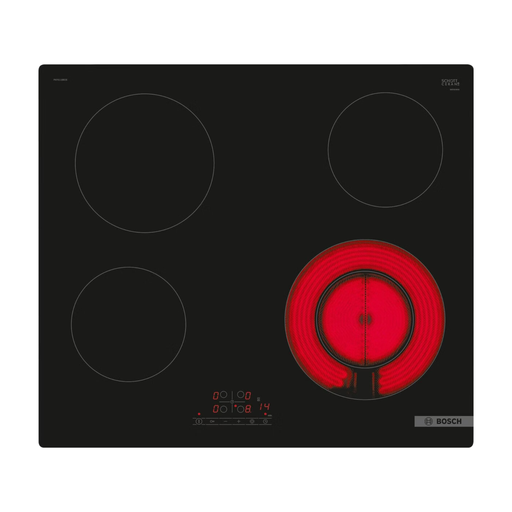 Image unavailable
A good fit if you’re looking for a built-in ceramic hob and want to use several pans for a family meal.
60 cm; Touch Select controls. According to the product information, a two-phase connection is required; the cable and plug are not included.
 Image unavailable
A good fit if you’re looking for a portable hob for a wok and one pan for a side dish.
The product name lists two cooking zones and five temperature settings. Use induction-compatible pans.
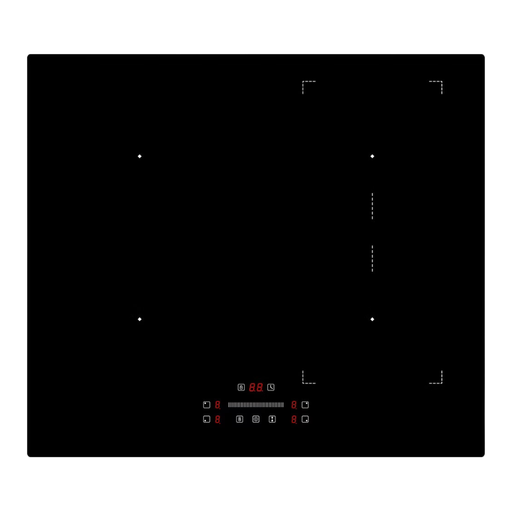 Image unavailable
A good fit if you’re looking for a built-in induction hob for cooking with several pans in one meal.
The product name lists touch controls, PowerBoost and a safety lock. It must be built in; the cable is supplied without a plug.
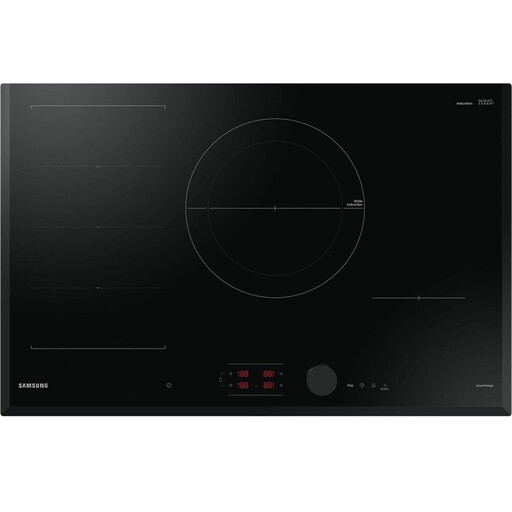 Image unavailable
A good fit if you’re looking for a wider built-in hob with four zones for a wok and other pans.
The product name lists touch controls and a black glass-ceramic finish. According to the product information, installation by a qualified electrician is required.
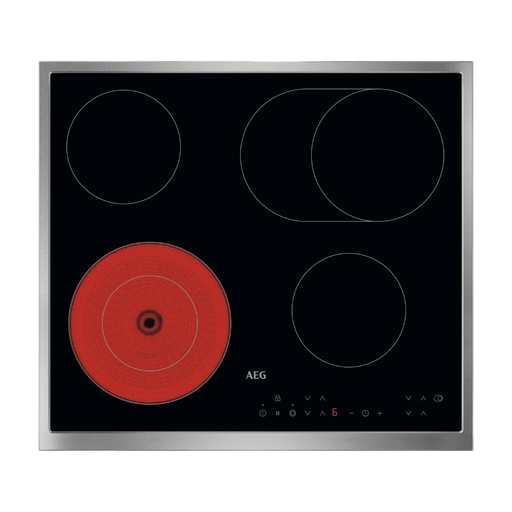 Image unavailable
A good fit if you want to cook on ceramic and need a zone that can accommodate different pan sizes.
The product name lists touch controls and an expandable cooking zone. Suitable installation is required for fitting and connecting the hob; the product information specifies that an electrician must connect it.
Check that the base is suitable for induction and that its size matches the cooking zone on the hob you’ve chosen. Follow the pan and appliance instructions for compatibility; don’t assume every wok you already own will work.
Only if the specific model is designed for this and your connection and circuit are suitable. According to Inventum, the VKI6010ZIL has a standard plug; according to ETNA, the four-zone KIV360WIT has a two-phase Perilex connection.
The Consumentenbond recommends using a non-scratch cloth or sponge with soapy water and washing-up liquid. Also follow the care instructions for your chosen model and avoid abrasive products.
No. According to the Dutch government, there is no fixed statutory warranty period in the Netherlands. You’re entitled to a product that works as it should, and you can contact the seller if there’s a fault; any additional warranty doesn’t replace these rights.
For eligible distance purchases, the Dutch government says you’ll often have a 14-day cooling-off period. Check which terms and exceptions apply to the specific purchase.