
For cooks who want to toast spices with care
You toast a small amount of whole spices for a short time and want to be able to turn down the heat before they get too dark. Good Food describes toasting spices in a dry pan over a low heat.


First, choose a hob that works with your small pan and lets you adjust the heat while toasting. Start on a low setting and stay by the pan. Induction responds quickly but requires a suitable pan, while ceramic and cast-iron hobs are options that don’t require an induction pan and may stay hot for longer after use. If you want to use a pan for your main course at the same time, check the number of cooking zones and the electrical connection.
You toast a small amount of whole spices for a short time and want to be able to turn down the heat before they get too dark. Good Food describes toasting spices in a dry pan over a low heat.
You want to check whether your small pan works on induction, or whether a different electric hob is better suited to your cookware. Milieu Centraal explains that an induction pan needs a magnetisable layer in its base.
You’re cooking for several people and want to toast spices without moving the pan for the main course. Think about how many pans need heat at the same time and how many cooking zones you’ll need.
A good fit if: your pan has a magnetisable base and is within the size range supported by the model.
Bear in mind: a pan that isn’t suitable for induction won’t work on this hob.
A good fit if: you want a hob with a glass surface and your pan doesn’t have an induction-compatible base.
Bear in mind: the heating element heats the surface first, which may stay hot after use.
A good fit if: your pan’s induction compatibility is an issue and you’re looking for a cooking zone with a rotary control.
Bear in mind: the hob retains residual heat, so take the spices out of the pan in good time.
When toasting spices briefly, the pan size, how you adjust the heat and how many pans need to be on the hob at once are all key considerations.
| Consideration | What should you look for? | Who is this most important for? |
|---|---|---|
| Heat for brief toasting | Check how you adjust the power. Start on a low setting, stay by the pan and remove the spices as soon as they become fragrant. | When I’m briefly toasting spices in a dry pan, I want to be able to adjust the heat and keep an eye on them. Around 33% of consumers prioritise heat control. |
| Pan compatibility | For induction, check that the base is magnetisable and compare the pan size with the model’s requirements. With ceramic or cast iron, make sure the pan sits properly on the cooking zone. | If I want to keep using my small pan, I first check that it’s suitable for the cooking type and zone. Around 27% of consumers prioritise keeping their existing pan. |
| Cooking at the same time | Count how many pans need heat at once. Then compare the number of zones and the connection required, not just the maximum power of one zone. | If I want to heat the spice pan and a pan for the main course at the same time during dinner, I look at the number of zones. Around 20% of consumers prioritise cooking more than one dish at once. |
| Positioning and connection | Check the plug, connection rating and required clearance in the manual. For example, the Inventum KI120T manual requires at least 10 cm of space at the sides and back. | If I have limited space or I’m unsure about the connection at home, I want to know in advance where the hob can go and how it needs to be connected. Around 20% of consumers place the greatest importance on positioning or connection. |
A ceramic hob heats the surface first, while induction heats a suitable pan. You can’t tell which type of hob it is just by looking at it. Voedingscentrum explains the difference between ceramic and induction hobs.
Check the cooking type in the product information, then see which pans and sizes the model supports.
The maximum power doesn’t tell you how easily you can adjust the heat for a quick toasting task, or how well the hob works with your small pan.
Check the controls and the permitted pan size. Toast on a low heat and stay by the pan.
You can only place one pan on a single cooking zone. With multiple zones, the connection can also affect what you can heat at the same time; Consumentenbond highlights this limitation with freestanding induction hobs.
Work out how many pans need heat at once, then check the number of zones and the connection required for the specific model.
The KI120T is a freestanding, single-zone induction hob designed to provide extra cooking space.
The IK-6178 is a freestanding, single-zone induction hob with touch controls.
The KP 1091 is a freestanding, single-zone cast-iron hob and does not use induction.
The CT 2200/E is a freestanding ceramic hob with a double cooking zone.
These product picks are designed to provide extra cooking space while you toast spices and include induction and electric hobs with one or two zones. Before buying, check that the specific item carries the required CE marking.
 No image available
An induction hob for adjusting the heat in stages while toasting. The product name lists 2000 W, 10 power levels and a Ø 26 cm cooking zone.
Requires a pan that’s suitable for induction.
 No image available
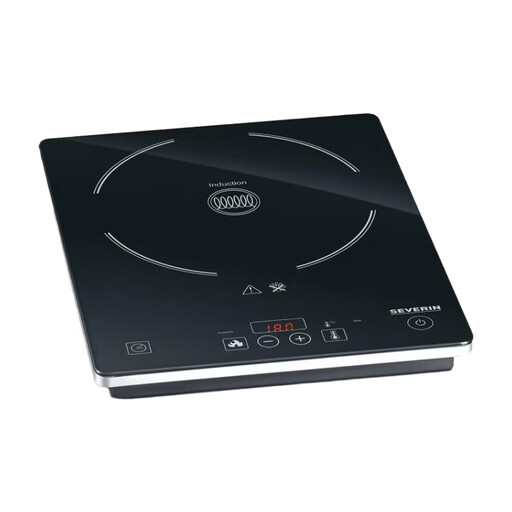
An induction hob that gives you extra cooking space when you want to adjust the heat during a short cooking task.
The pan must have a ferromagnetic base; also check that its size is suitable for the cooking zone.
 No image available
A ceramic hob that gives you extra cooking space. The product name lists a power rating of 2000 W.
The surface may stay hot after use; let it cool down before cleaning.
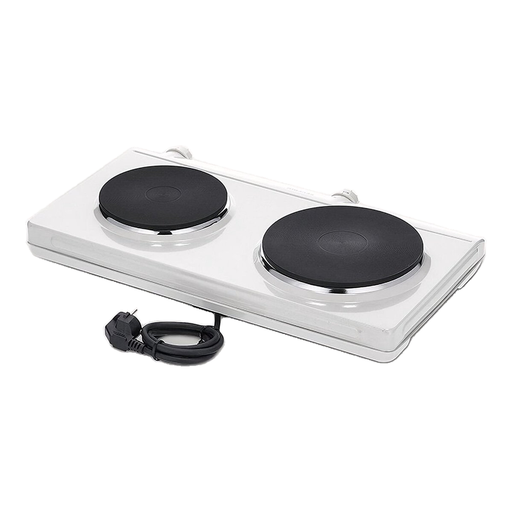 No image available
With two cooking zones, you can place a pan for spices and a second pan on the same appliance. The product name lists 2500 W and stepless temperature control.
Check that the connection is suitable for the appliance. Don’t leave the hob unattended; its surfaces can get very hot during use.
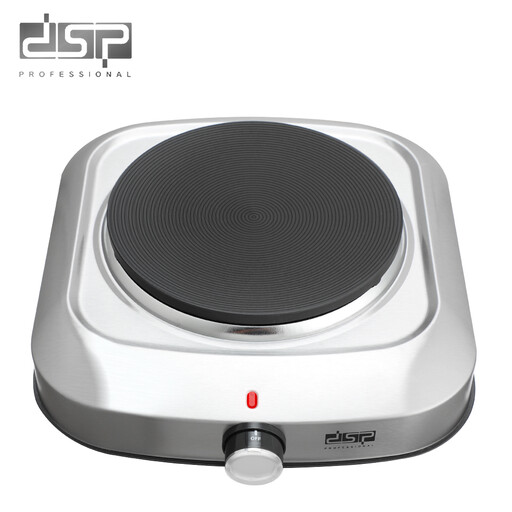 No image available
An electric cooking surface with adjustable temperature. The product name lists 1500 W and a stainless steel cooking plate.
A slight smell and some smoke may occur the first time you use it. The product description recommends running the hob for 3–5 minutes in a well-ventilated space.
Use a dry pan over a low heat, stay by it and remove the spices as soon as they become fragrant. The right setting depends on the pan and hob; a timer is no substitute for keeping an eye on things.
Only if its base is suitable for induction and the pan size is within the model’s requirements. A small magnet can help you check whether the base is magnetisable. For example, the Inventum KI120T lists support for pans measuring 15–20 cm.
It varies by model. Check the manual, the connection required and the load on your electrical circuit before using the hob; don’t rely on the maximum wattage alone.
Yes. The Netherlands Food and Consumer Product Safety Authority states that CE marking is required for electrical products covered by this requirement. A product name or online listing doesn’t in itself confirm that the specific item meets the requirement; check the marking on the product listing.
In the Netherlands, you can contact the seller if a product breaks down earlier than you could reasonably expect when used normally. The ACM explains that the seller must then offer an appropriate solution at no cost; this isn’t simply a fixed two-year period.