
Family that cooks porridge every day
You want a cooking zone that suits a pan for family-sized portions and has a useful low setting. The Voedingscentrum recommends cooking porridge on a low setting and stirring regularly.


For family-sized portions of porridge, choose a hob with a cooking zone that suits your pan and a low setting you can use once the porridge has come to the boil. Stir regularly, as recommended by the Voedingscentrum. Induction requires a magnetic pan, while a ceramic hob or portable electric hob may be a better fit if you want to keep using your existing pans. Before you buy, also check the space required, the electrical connection and the safety features of the exact model.
You want a cooking zone that suits a pan for family-sized portions and has a useful low setting. The Voedingscentrum recommends cooking porridge on a low setting and stirring regularly.
You’re looking for a freestanding hob or an extra cooking spot without altering your worktop. You’ll also need to check that your electrical connection is suitable.
You want to know whether your current pans will work with your chosen cooking method, and you’re also considering the electrical connection and residual heat.
A good fit if: you’re cooking porridge in one pan, need an extra cooking spot or don’t want to cut a recess into your worktop.
Keep in mind: induction requires a magnetic pan. Also check how much power is available if you’re using several zones at once.
A good fit if: the hob will have a permanent place in your kitchen and you regularly use several pans.
Keep in mind: check the cut-out dimensions and connection rating. A more powerful built-in hob may require additional installation work.
A good fit if: you want a built-in hob with several zones and induction isn’t right for your pans or situation.
Keep in mind: the hob stays hot after it’s switched off. Milieu Centraal gives average annual consumption figures of 225 kWh for ceramic hobs and 175 kWh for induction hobs. These are averages for the cooking technologies, not measurements of cooking porridge.
A good fit if: you want a portable cooking spot and don’t want to be limited to using an induction-compatible pan.
Keep in mind: the cooking zone needs to suit your pan, and the surface can stay hot. Milieu Centraal reports that traditional electric heating elements use more electricity on average than induction or ceramic hobs.
| What to consider | What should you check? | Which shoppers is this for? |
|---|---|---|
| Low setting for porridge | Check the available settings, the pan diameter and whether you can easily adjust the heat while stirring. | I want to let my porridge simmer gently after it comes to the boil and adjust the setting as I stir. Shoppers who prioritise adjustable porridge cooking make up around 36%. |
| Electrical connection and space | Check the plug, connection rating, circuit and any required cut-out dimensions. Also consider how many zones you want to use at once. | I want the hob to fit in the space I already have and sometimes use a second pan at the same time, so I’m checking the connection and number of zones. Shoppers who prioritise space and the electrical connection make up around 29%. |
| Safety around the hob | Compare the child lock, residual heat indicator and pan detection for each model. Stay by the pan and stir regularly. | With children at home, I want to know how to spot accidental switch-on and hot surfaces. Shoppers who prioritise family safety make up around 21%. |
| Pans and overall choice | Use a magnet to check whether the pan base is suitable for induction, and compare the required connection and cooking method. | I want to keep using my existing pans and choose a hob that suits my kitchen. Shoppers who prioritise keeping their pans and making the right overall choice make up around 14%. |
A plug or the number of zones doesn’t tell you on its own which electrical connection is needed. According to ETNA, the ETNA KC260ZT has four zones, a connection rating of 6500 W and requires a two-phase connection.
Compare the specifications for the exact model with your circuit, socket and any required cut-out dimensions. If changes are needed, ask an electrician for advice.
A boost function doesn’t guarantee that your porridge won’t burn. The recipe calls for a low setting and regular stirring.
Check that the settings are easy to adjust, and stay nearby to stir and keep an eye on the pan while cooking.
Induction requires a magnetic pan base. Your pans, electricity use and any changes needed to the electrical connection can also affect your choice.
Test your pan base with a magnet and compare the connection and your expected use before choosing a cooking technology.
Offers both freestanding induction hobs and built-in ceramic hobs. Models vary in how they’re installed, the number of zones and the electrical connection they require.
Offers compact freestanding induction hobs with one or two cooking zones.
The KP-6245 is a portable electric hob with two heating elements.
The portable, single-zone TILLREDA is an option for one pan or as an extra cooking spot.
The PIX631HC1E is a built-in induction hob with four zones.
These product options range from freestanding induction hobs to built-in models. For each one, check that it’s right for your pan, available space and electrical connection.
 No image available
Consider this freestanding hob if you want to cook porridge on one zone while using a second zone as well. Check that your pan is induction-compatible.
Two cooking zones; five temperature settings.
 No image available
An option if you want to use one pan at a time on a freestanding hob. Check that your pan is induction-compatible.
One cooking zone; five power settings; 1000 W.
 No image available
Consider this portable model if you’re looking for a separate cooking spot. Before you buy, check that your pan and electrical connection are suitable for this version.
Model: JCL02M; product name lists 220V/240V/2100.
 No image available
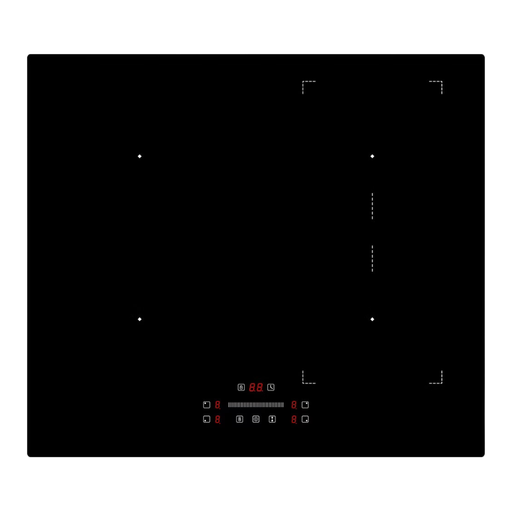
Consider this built-in model if you want to cook porridge alongside other pans. Make sure the connection and cut-out dimensions suit your kitchen.
Four cooking zones; touch controls; PowerBoost function; safety lock. The cable is supplied without a plug, and the product information recommends professional installation.
 No image available
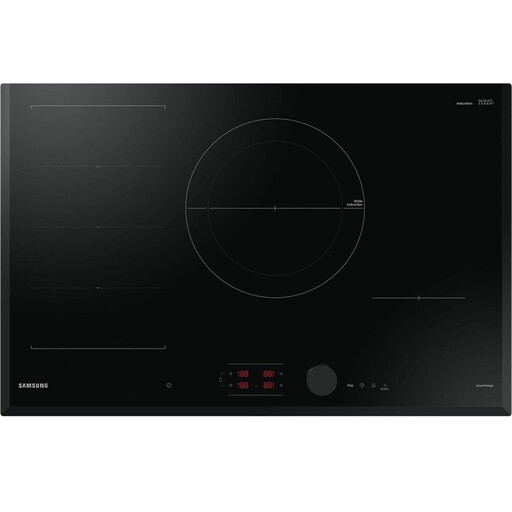
Consider this built-in model if you need several cooking zones. Check the available worktop space and electrical connection before you choose.
80 cm wide; four cooking zones; ceramic glass surface; touch controls.
Bring the ingredients to the boil, turn the heat down to a low setting and stir regularly, as recommended by the Voedingscentrum. A timer or a manufacturer’s baking sensor doesn’t replace stirring.
No. That’s only the case for models designed to use an earthed plug, and when your existing circuit can handle the load. The Consumentenbond says a single-phase hob needs a circuit that can supply a peak load of 3,65 kW. Check the exact model and your installation. More powerful built-in hobs have different connection requirements.
According to the NVWA, CE marking is compulsory for electrical products covered by the relevant regulations. This is a legal requirement for placing products on the market; it doesn’t prove that a specific item on sale has been independently tested. Check the marking and product information for the version you’re buying.
Let the hob cool down first, then follow the instructions for your model. For the TILLREDA model reviewed, IKEA recommends removing food residue after use with a damp cloth and mild detergent.
Before using an induction hob, ask your pacemaker technician or cardiologist whether it’s suitable for you. Don’t assume it’s medically suitable for you based on the hob category alone. Milieu Centraal recommends that people with a pacemaker seek advice.