
Cooking sauce and pasta
You want to cook sauce and pasta at the same time for a weekend lunch, so you’re looking for two cooking zones that suit your pans.


For cooking lentil Bolognese and pasta at the same time, a hob with two suitable cooking zones is a practical choice. Milieu Centraal advises checking that your pan base is magnetic if you’re considering induction. A freestanding hob with conventional heating elements can be an alternative if induction isn’t suitable. On a single-phase induction hob, power can be shared between the zones in use, according to the Consumentenbond. So check the connection requirements and safety information for the specific model.
You want to cook sauce and pasta at the same time for a weekend lunch, so you’re looking for two cooking zones that suit your pans.
You want to use the hob on your worktop without first having to cut an opening in the kitchen worktop.
You want to check whether your saucepan works on induction, or you’re looking for another electric heat source that doesn’t rely on induction.
For this meal, both the sauce and the pasta need a suitable cooking zone. Also consider the connection, the pans you already own and the controls you need.
| What to consider | What should you check? | Who should give this more weight? |
|---|---|---|
| Cooking sauce and pasta at the same time | Check that there are two zones you can use independently and that both pan bases fit on them. | If you want to cook the sauce and pasta at the same time, you’ll need room for two suitable pans. Around 30% of consumers give simultaneous cooking their top priority. |
| Connection and installation | Decide whether you’re looking for a freestanding model or a built-in hob, and check the plug, power rating and electrical installation. | Installation and connection are important if you don’t have a cut-out or need to have your electrical connection assessed first. Around 30% of consumers put this at the top of their list. |
| Existing pans | For induction, test with a magnet to see whether the pan base is magnetic. Also compare the pan size with the cooking zone. | If you want to keep using your current sauce and pasta pans, their compatibility is decisive. Around 20% of consumers prioritise keeping their existing pans. |
| Controls while cooking | Compare the controls for each zone and check whether the timer actually switches off the selected zone. | If you want to set the sauce and pasta separately, pay particular attention to the controls for each zone. Around 20% of consumers make ease of use their top priority. |
On a single-phase induction hob, power can be shared between the zones in use. The Consumentenbond reports that this can make cooking on several zones slower.
Compare the connection requirements and find out how your chosen model performs when cooking sauce and pasta at the same time.
A pan base without a magnetic layer isn’t suitable for induction.
Test the base of both your saucepan and your pasta pan with a magnet before choosing an induction hob.
A built-in hob may require a suitably sized cut-out and changes to the electrical connection.
Have your existing connection assessed and, if necessary, ask for installation advice in advance.
Ceramic glass describes the surface. An induction hob with this type of surface doesn’t heat in the same way as a ceramic hob with heating elements.
Check the stated heating technology rather than basing your choice solely on the surface material.
The VKI6010ZIL is a freestanding induction hob with four zones.
The KIV164RVS is a freestanding induction hob with four zones and an earthed plug.
The PIE661BB5E is a built-in option for a kitchen with a suitably sized recess and connection.
The DK 1014 is a freestanding double hob with conventional heating rings.
The KP-6245 is a freestanding double hob with heating elements.
This selection includes built-in and freestanding hobs for two pans, using induction, ceramic heating or conventional heating elements.
 No image available
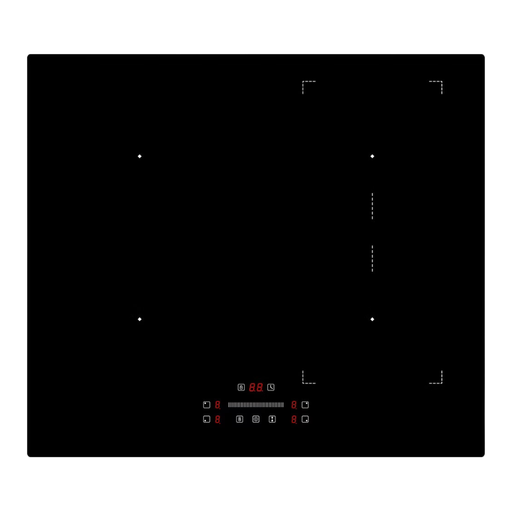
This four-zone induction hob suits anyone who wants to use several pans at once and is looking for a built-in setup.
The supplied connection cable comes without a plug, so check which connection is required in advance.
 No image available
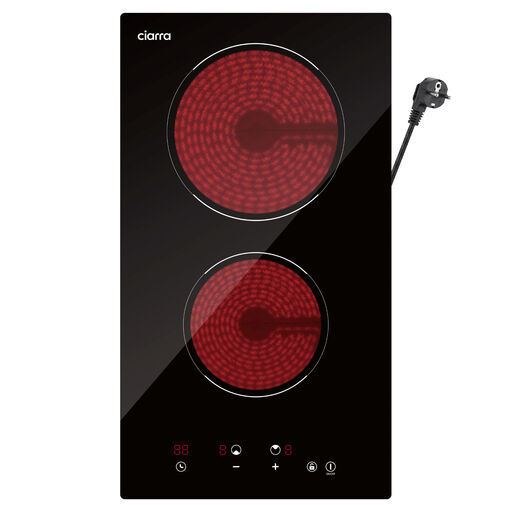
This two-zone built-in hob is an option if you want to use two pans separately and are looking for ceramic heating.
The product name specifies 3000 W, nine settings and a timer. The stated cut-out size is 260 × 490 mm; also check that the connection is suitable for 16 A.
 No image available
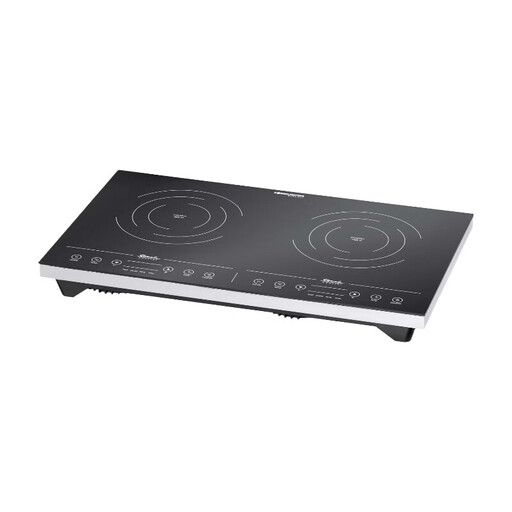
This double hob is an option if you want to use two pans side by side for your meal.
Check that your pans are suitable for the stated induction function; the specified maximum pan size is 230 mm.
 No image available
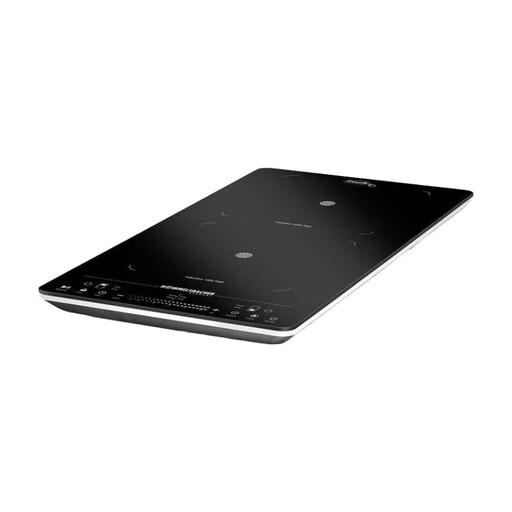
This double hob is suited to anyone who wants to cook sauce and pasta on separate zones.
Before buying, check the information on pan compatibility and controls for this model.
 No image available
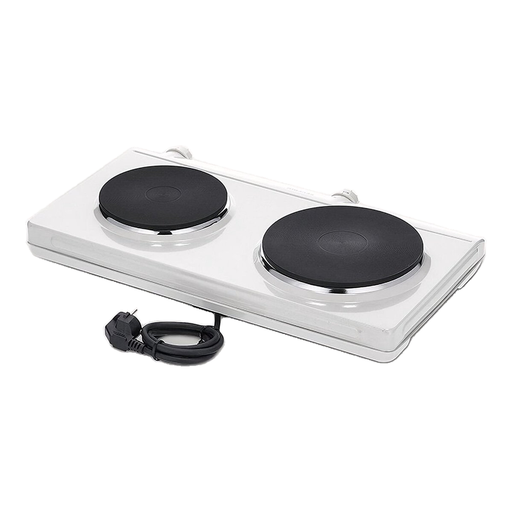
This double electric hob is an option if you want to use two pans without choosing induction.
The product name specifies two cooking zones, 2500 W and stepless temperature control. The hotplates can get very hot during use.
It depends on the model and the power required by the zones in use. The Consumentenbond reports that a single-phase hob may share power between several zones, which can make cooking slower.
Hold a magnet against the pan base: it needs to be magnetic. Milieu Centraal also points to the induction symbol as an indication; check both your saucepan and your pasta pan.
Before buying, have someone check what connection the hob needs and whether it’s available in your home. The Consumentenbond advises using a professional to install and connect a hob that requires a high-power connection.
No. Ceramic glass is the surface; ceramic hobs heat using elements beneath that surface. Check the stated heating technology rather than just the material.
Check the CE marking and the safety and installation information for the specific model. The NVWA states that a CE marking is mandatory for electrical consumer products placed on the market in the Netherlands; this general product requirement doesn’t in itself prove that a specific model complies.