
Pancake maker with limited worktop space
You make one pancake at a time and want to know whether the pan, cooking zone and handle will all fit. Koopmans recommends a flat pan base measuring 20 to 26 cm as a guide for spreading the batter.


Start by considering the base of your pan, the space available and the power connection; the number of cooking zones comes next. A portable induction hob is a good fit if your pan is compatible and you only need one zone. If your pan doesn’t work on induction, a conventional electric hotplate could be an option. Two zones give you room to cook two things at once, but require more worktop space or suitable built-in space and a compatible connection.
You make one pancake at a time and want to know whether the pan, cooking zone and handle will all fit. Koopmans recommends a flat pan base measuring 20 to 26 cm as a guide for spreading the batter.
You want to keep using your current pancake pan. The Consumers’ Association recommends checking the base when choosing an induction hob: make sure it’s magnetic and fits the cooking zone.
You want to use another pan alongside your pancake pan and are comparing a portable double hob with a slim built-in option. The Consumers’ Association and Novy highlight using multiple zones and checking the installation dimensions as important considerations, respectively.
A good fit if: you use one pan at a time, have a compatible pan base and want to put the hob away after use.
Bear in mind: you’ll need temporary space on the worktop, and your pan base must be the right size and magnetic.
A good fit if: your existing pan doesn’t work on induction and you want a portable cooking zone with rotary controls.
Bear in mind: a cast-iron cooking zone may stay hot after you switch it off. Let the hotplate cool before putting it away.
A good fit if: you need two permanent cooking zones and have room for the cut-out specified for the model.
Bear in mind: the connection must be suitable for the exact model. The power rating alone doesn’t confirm that your existing socket is suitable.
| What to consider | What to check before buying | Who should pay extra attention? |
|---|---|---|
| Pan base and cooking zone | Measure the base, check whether it’s magnetic and compare its size with the hob specifications. | If I want to spread the batter evenly and use my current pan, I’ll check the base and cooking zone first. Around 33% of consumers prioritise pan compatibility. |
| Worktop space and cooking zones | Measure the available width and depth, including space for the pan handle and access to the controls. | If my worktop is narrow, I want to know whether I can use the pan and handle without blocking the controls. Around 27% of consumers prioritise worktop space. |
| Connection and setup | Read the connection requirements for the exact model and take other high-power appliances on the same circuit into account. | If I’m unsure whether the chosen location and connection are suitable, I’ll check beforehand and keep flammable items away from the cooking area. Connection and safe use are the top considerations for around 20% of consumers. |
| Existing pan and additional work | Check whether your pan works on induction and whether a built-in model requires changes to the worktop or connection. | If I want to keep my current pan and factor in any extra work, I’ll compare the whole setup. Around 20% of consumers put keeping their pan and the overall cost first. |
With induction, the size of the base matters: an oversized or non-magnetic base may not be recognised properly, or may only heat in the centre.
Measure the base separately and check that it’s suitable for induction and within the hob’s stated pan size range. You may need a different pan for induction.
The Consumers’ Association notes that tested freestanding induction hobs with a low power rating can have limitations when it comes to heating times and cooking on high settings at the same time.
Consider the power rating and connection of the specific model in light of how you plan to use it: cooking with one pan at a time has different requirements from using several pans on high settings.
The pan, handle, controls and available worktop depth all determine whether the setup will work for you. A built-in hob also needs a suitable cut-out.
Plan the whole setup and check the cut-out dimensions and connection instructions for your chosen model. A built-in hob may require a worktop cut-out and changes to the connection.
The KP 1091 is a conventional electric hotplate for anyone who isn’t looking for an induction hob.
Tristar offers both a portable single-zone induction hob and a conventional electric option.
The 303011 is a freestanding induction hob with two cooking zones.
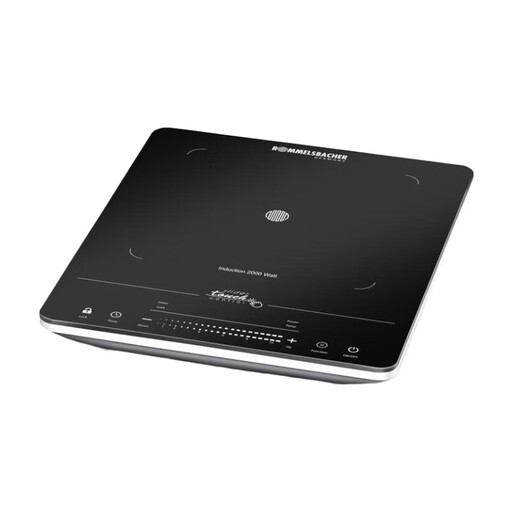
The Touch 2000 is a portable single-zone induction hob with a pan size range specified by the manufacturer.
The Domino Comfort 3784 is a fixed induction hob, 38 cm wide, with two zones.
These Joybuy products are induction hobs: portable single-zone models and a built-in two-zone model.
 No image available
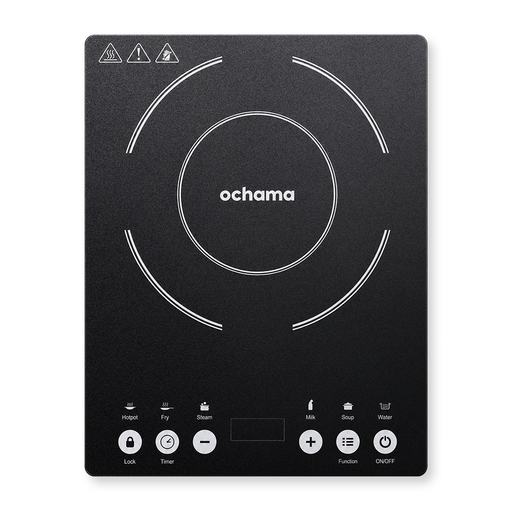
A portable single-zone induction hob for anyone who uses one pan at a time and wants to put the hob away after use.
The description specifies magnetic cookware with a flat base measuring 12–26 cm, adjustable power up to 2000 W and 8 power levels.
 No image available
A portable single-zone model for anyone looking for a separate cooking spot for one pan at a time.
The description lists 2000 W, 10 power settings and a compatible pan size range of 12–26 cm. The pan must be magnetic; according to the product description, aluminium and ceramic pans without a magnetic base won’t work properly.
 No image available
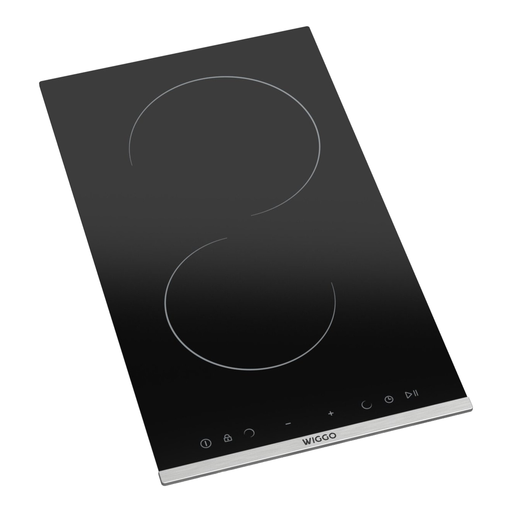
A built-in two-zone model for anyone who wants to use another zone alongside their pancake pan and has room for a permanent installation.
The title gives a width of 30 cm, while the description lists two zones of 1400 W and 1800 W. Check that the cut-out and connection are right for your kitchen.
 No image available
A freestanding single-zone induction hob for anyone looking for a separate cooking spot and who has a compatible pan.
The description lists a compatible pan size range of 12–26 cm, adjustable power from 200 to 2000 W, 10 power settings and a temperature range of 60–240 °C.
 No image available
A portable single-zone induction hob for anyone looking for a compact extra cooking spot.
The description lists 2000 W, 10 power levels and a temperature range of 60–240 °C. Check that your pan base is suitable for induction.
Only if the base is suitable for induction and fits the cooking zone. Check for the induction symbol or test the pan with a magnet, then compare the base diameter with the model’s specifications. The diameter of the rim isn’t the deciding measurement.
No. According to the Consumers’ Association, most portable models can be plugged into an earthed socket, but check the requirements for the exact model. Also take other high-power appliances on the same circuit into account. For a built-in model, don’t assume that your existing connection is suitable based on the power rating alone.
Brandweer Twente advises staying near the hob and keeping flammable items away from the cooking area. Koopmans recommends preheating the pan over a medium heat for 2 to 3 minutes, then spreading the batter over the base. After use, let a conventional hotplate cool completely before cleaning or putting it away.
If you buy in the Netherlands, the seller must offer a solution if the product is faulty. According to the Dutch government, there’s no fixed statutory two-year guarantee period. When you buy online from a business, you’ll often have 14 days to change your mind. Check the terms that apply to your purchase.
Yes. Milieu Centraal advises asking your pacemaker technician or cardiologist whether cooking on an induction hob is suitable for you. This is a personal consideration, not a general warning against induction for other consumers.