
Pancake maker with an induction pan
If you use one pan at a time, the size of the pan base and how it matches the cooking zone are important. For example, Inventum lists a pan size range of 15–20 cm for the KI120T.


First, choose a hob with a cooking zone that suits the base of your frying pan, then check whether your pan is suitable for induction. Induction is an option if your pan is compatible; a hob with a heating element can also be used with a pan that doesn’t have an induction-ready base, but it stays hot after you switch it off. Before choosing, check the connection requirements, manual and product markings for the specific model on offer.
If you use one pan at a time, the size of the pan base and how it matches the cooking zone are important. For example, Inventum lists a pan size range of 15–20 cm for the KI120T.
If you want to keep using your current pancake pan, first check whether its base is suitable for induction. Milieu Centraal explains that induction requires a magnetisable steel layer in the pan base. If yours doesn’t have one, you could also consider a hob with a heating element.
A freestanding hob with one zone takes up less space than a two-zone model. Inventum and Tristar offer examples of freestanding hobs with two zones. Be sure to factor in the space available on your worktop and the connection requirements when making your choice.
Choose this option if: your pan has a magnetisable base and its size is within the stated range for the cooking zone.
Bear in mind: a pan that isn’t suitable for induction won’t work; a base that’s much larger than the zone may not heat as well around the edges.
Choose this option if: you’re looking for a portable cooking zone and your existing pan isn’t suitable for induction.
Bear in mind: the hob may stay hot after you switch it off. Compare the size of the hotplate with the base of your pan.
According to the Consumentenbond, with induction, a pan base that’s much larger than the heated zone may only heat up in the middle. So measure the base of your pan and compare it with the dimensions given by the manufacturer for the exact model.
| What to consider | What should you check? | Who should pay particular attention? |
|---|---|---|
| Pan size and cooking surface | Measure the base of your pan and compare it with the stated pan size range or cooking zone diameter. | When I make buckwheat pancakes, I want the cooking zone to suit the base of my pan. Around 40% of consumers prioritise a cooking zone that’s the right size. |
| Keeping your current pan | Check for the induction symbol or see whether a magnet sticks to the base. Also compare the base size with the zone. | If I want to keep my existing pancake pan, I first check whether it’s suitable for induction. Around 30% of consumers make keeping their pan their top priority. |
| Portable hob and connection | Check the plug, connection and instructions for the exact model. Stay nearby while cooking and keep flammable materials away, as advised by the Brandweer. | For a portable hob in my kitchen, I want to know whether I can use it in the space available and with the connection I have, as set out in the manual. Around 20% of consumers prioritise having a setup that works for them. |
| Cooking two dishes at once | Compare the size and controls of both zones, and check the stated total power. | If I want to make pancakes and a filling at the same time, I look for two usable zones. Around 10% of consumers make cooking two dishes at once their top priority. |
The size of the base is important when comparing it with the cooking zone. With induction, a base that’s much larger than the zone may not heat as well around the edges.
Measure the base of your pan and compare it with the dimensions given for the model before choosing a hob.
Induction requires a suitable pan with a magnetisable base. A pan without one won’t work with this cooking method.
Check for the induction symbol or test the base with a magnet. If your current pan isn’t suitable, you may need a different one.
The connection required depends on the model and its connected load. According to the Consumentenbond, a built-in induction hob with a connected load above 3,65 kW needs a higher-capacity connection and a 5-pin Perilex socket. This requirement doesn’t automatically apply to portable hobs.
Read the manual and connection details for the exact model. Ask a qualified professional to assess any work needed on a built-in hob or its connection.
A built-in hob may require changes to the worktop or electrical connection. What’s needed depends on your situation.
Offers freestanding induction models with one or two zones, including the KI120T and VKI3020ZWA.
The KP 1091 is a portable hob with a heating element, offering an alternative to induction.
The range includes the portable IK-6178 induction hob and the two-zone KP-6245.
The 303010 is a freestanding, single-zone induction hob.
This selection includes freestanding single-zone hobs: induction models and an electric model with a heating element.
 No image available
A single-zone induction model for cooking with one pan at a time. The pan must be suitable for induction.
Specifications: 2.000 W, a cooking zone of 12–26 cm, ten power settings, temperature control and a timer of up to 3 hours.
 No image available
A single-zone induction hob for anyone who cooks with one pan at a time and has a suitable pan base.
Specifications: a zone range of 12–23 cm, ten power settings, temperature settings from 60–240 °C and a timer.
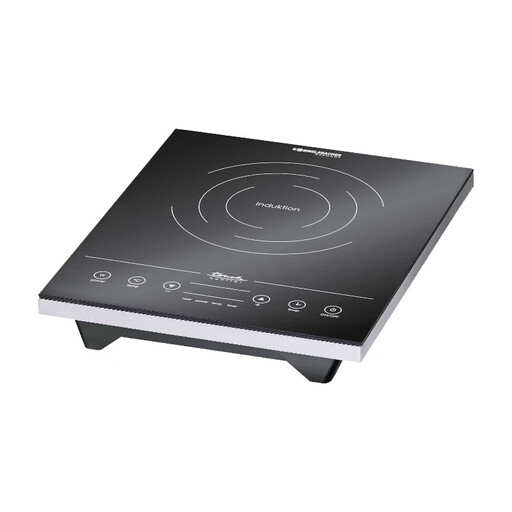 No image available
A single-zone induction hob for a pan that’s suitable for induction.
Specifications: a cooking zone of 100–200 mm, ten temperature settings, a 180-minute timer and automatic switch-off.
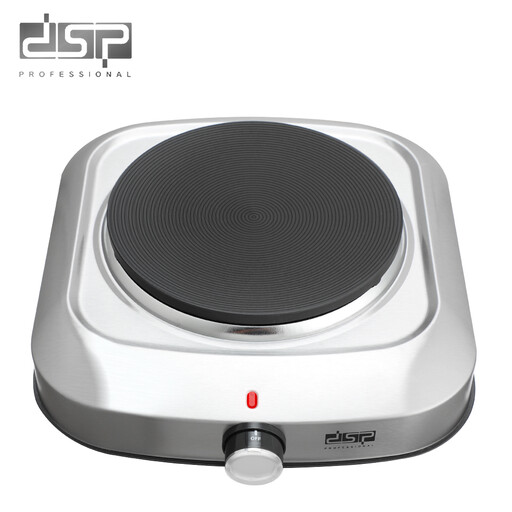 No image available
A portable electric hob with a heating element to consider if your pan isn’t suitable for induction.
Specifications: 1.500 W, a fixed 185 mm hotplate and an adjustable temperature dial. The hotplate gets hot during use.
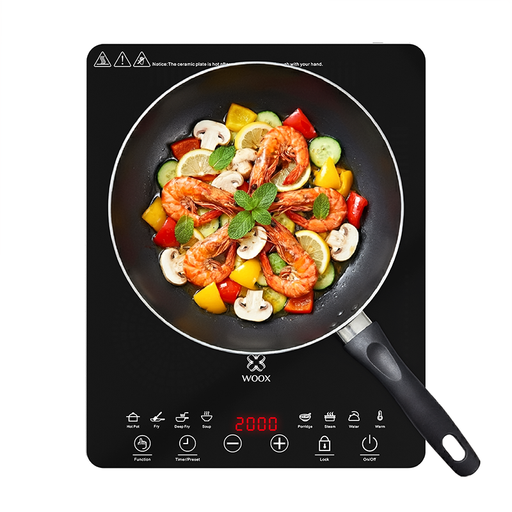 No image available
A portable, single-zone induction hob for cooking with one pan at a time. Use a pan that’s suitable for induction.
Specifications: 2.000 W, a heating coil with a radius of 155 mm, eight temperature and power settings, and a timer.
Check for the induction symbol or see whether a magnet sticks to the base of the pan. Also compare the base size with the stated range for the cooking zone. A suitable base doesn’t automatically mean the size is right.
It depends on the exact model. Inventum states that the KI120T has a single-phase connection for an earthed socket in the Netherlands. Don’t assume this applies to other models: check their plug and manual. Powerful built-in induction hobs may have different connection requirements.
Stay nearby while cooking and keep flammable materials away, advises the Brandweer. Let the hob cool down and follow the manual when cleaning it. The manual for the Severin KP 1091 says to unplug the appliance before cleaning.
The manufacturer’s guarantee is in addition to your statutory rights. According to the Dutch government, there’s no fixed statutory guarantee period in the Netherlands. If a product is faulty, contact the seller to find a solution.
According to EUR-Lex and the Netherlands Enterprise Agency, electrical equipment within the scope of the EU Low Voltage Directive must carry the required CE marking to be sold in the EU. A model name or product description doesn’t confirm that the specific item on offer is correctly marked; check the product and its accompanying information.