
Patient cooks
You brown a large pan of onions gradually and want to be able to adjust the heat easily as they cook. Also check how well your pan fits the cooking zone; caramelising requires attention.


For a large pan of onions, induction is a good choice if your pan has a suitable magnetic base and the hob is compatible with your electrical supply. A ceramic hob may be a better fit if your existing pan isn’t suitable for induction. Induction responds more quickly when you adjust the heat and, according to Milieu Centraal, uses less electricity than ceramic. Ceramic zones respond more slowly and stay hot for longer. Whichever hob you choose, keep an eye on the onions and stir them regularly: no hob can prevent them from burning.
You brown a large pan of onions gradually and want to be able to adjust the heat easily as they cook. Also check how well your pan fits the cooking zone; caramelising requires attention.
You cook other dishes at the same time as the onions, so you need practical cooking zones and enough available power.
You want to keep using your existing pans or electrical connection. These can help determine whether a plug-in induction hob, a model for a higher-capacity connection or a ceramic hob is right for your kitchen.
Start with your pan and electrical connection. Induction requires a suitable magnetic pan base, while ceramic hobs can also work with pans that aren’t suitable for induction. Milieu Centraal describes induction as quicker to adjust and more energy-efficient than ceramic. Then check that the model you choose is suitable for your kitchen.
| What to consider | What should you check? | Who should pay particular attention? |
|---|---|---|
| Controlled caramelising | Compare the diameter of your pan base with the cooking zone, and check the heat settings and controls available on the model. ETNA recommends using a heavy-based pan with pulsing induction settings to help keep the temperature in the pan more consistent. | If I want to brown a large pan of onions gently, I need to be able to turn the heat down easily. Around 36% of consumers say controlled caramelising is their main concern when buying. |
| Using several pans at once | Check the space between the cooking zones and how the power is distributed. The Consumentenbond points out that with a single-phase induction hob, you can’t always use several zones at high power at the same time. | When I’m cooking other dishes alongside the onions, I want to know how many pans will fit on the hob and how the power is distributed. Around 29% of consumers give cooking with several pans their highest priority. |
| Pans and electrical connection | Use a magnet to check whether your pan is suitable for induction. Also compare the electrical connection, circuit and any required cut-out dimensions with the specifications for the exact model. The Consumentenbond explains that powerful induction hobs may require a higher-capacity connection. | If I want to keep using my existing pans or kitchen installation, I need to know in advance whether they’re suitable for the hob. Around 21% of consumers say compatibility is their main concern when buying. |
| Electrical connection and energy use | Check the model’s connection rating and plug type. Milieu Centraal gives an annual figure of around 175 kWh for induction, compared with around 225 kWh for ceramic. These are yearly estimates, not measurements for a single meal. | If I want to know whether my kitchen installation is suitable and how much electricity a hob will use, I need to be able to compare the details in advance. Around 14% of consumers say the connection and energy use are their main concerns. |
With a single-phase induction hob, the available power may be shared between the active zones. So you can’t necessarily use every pan on the highest setting at once.
Compare how the power is distributed and the combination of pans you plan to use, not just the number of zones.
An integrated hob may need an electrical connection that your kitchen doesn’t have. Induction also requires pans with a suitable base.
Check your pans, electrical connection, circuit and cut-out dimensions against the manual for the exact model. If necessary, ask an installer for advice.
A different connection may require installation work; switching to induction may also mean you need different pans.
Ceramic responds more slowly to heat adjustments than induction, and the zone stays hot after you switch it off. The pan may therefore continue cooking.
Allow for residual cooking, keep checking the onions and look out for the residual heat indicator if the model has one.
The Bosch model numbers PIE611BB5E and PIE661BB5E refer to different models. Similar names don’t prove that the specifications are the same.
Compare the full model number and relevant specifications on the manufacturer’s website with those on the product page.
ETNA provides information on both induction and ceramic hobs with four zones, for kitchens with different types of pans and electrical connections.
Inventum offers a freestanding induction hob for a suitable single-phase connection, as well as an integrated model with a configurable connection.
Bosch describes the PIE661BB5E integrated induction hob as an option for a suitably sized cut-out and compatible electrical connection.
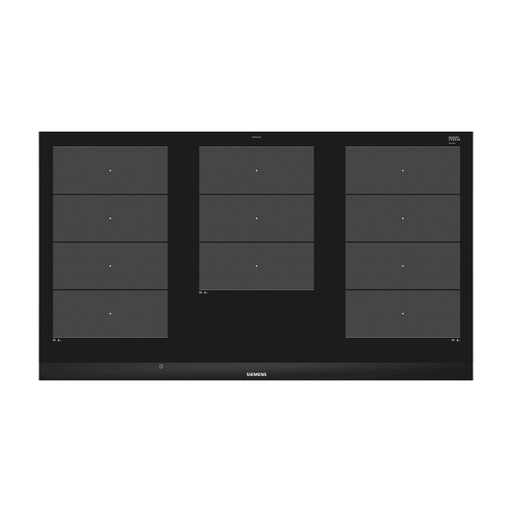
The EX607NYV6E illustrates the zone layout available on an integrated induction hob with flex zones.
This selection includes induction and ceramic hobs for cooking a large pan of onions and, depending on the model, preparing other dishes at the same time. Also check the CE marking and EU Declaration of Conformity for the exact model. According to Ondernemersplein, manufacturers must apply a CE marking to electrical appliances that meet the relevant European requirements and draw up an EU Declaration of Conformity.
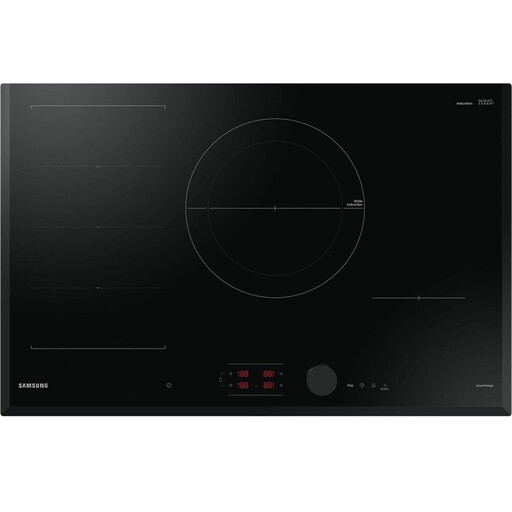 No image available
The flexible zone and four cooking zones make this a practical choice for using a large pan alongside other pans.
Four cooking zones, 15 power settings and a Flex Zone Plus measuring 210 × 380 mm. The description also mentions a removable magnetic control knob.
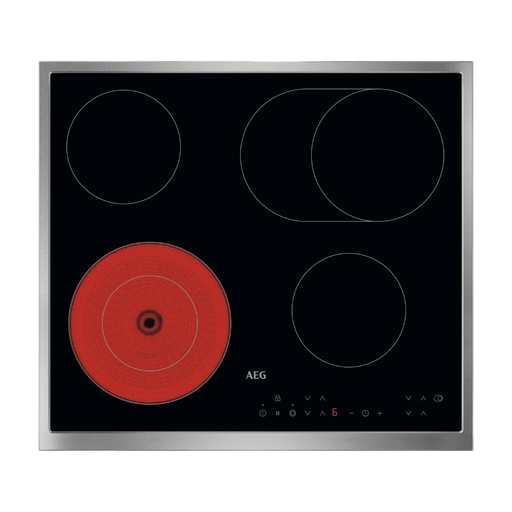 No image available
This ceramic hob may be a good fit if you’re looking for a model with several zones and an expandable zone.
Four cooking zones and an expandable 17 × 26.5 cm variozone. The listed electrical connection is 220–240 V / 400 V 2N; installation by an electrician is recommended.
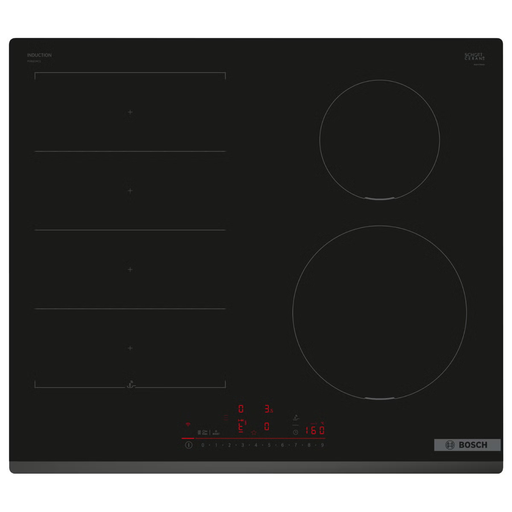 No image available
The flexible zone is useful if you want to use a larger pan as well as other pans on the hob.
Four cooking zones, DirectSelect controls and PowerBoost. The description also mentions FlexInduction, a temperature sensor and temperature control with 11 preset settings.
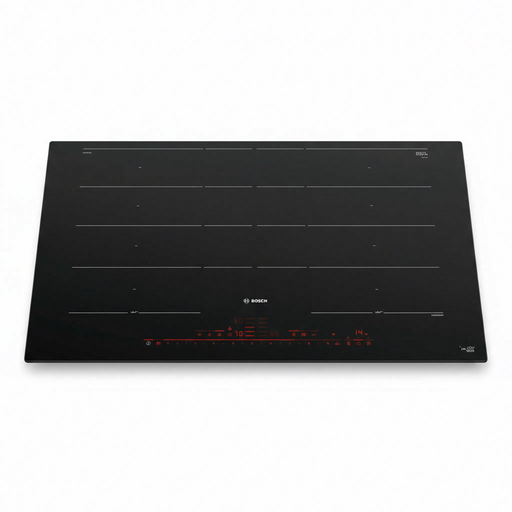 No image available
The flexible induction zone is useful if you’re using a larger pan and want to place it in different positions.
The description mentions a PerfectFry sensor with five settings and automatic adjustment to the position and size of the pan.
 No image available
FlexInduction and five cooking zones are useful if you want to use a large pan alongside other pans.
The title lists a three-phase connection. The description mentions five cooking zones, FlexInduction, individual timers and a fryingSensor.
Not necessarily. Check whether the base of your existing pan is magnetic, for example by testing it with a magnet. Also check that the pan base and cooking zone are a suitable size for each other.
No. Only models designed for a suitable single-phase connection can be plugged into a standard earthed socket under the conditions described. ETNA says the KC260ZT ceramic hob requires two phases. Check the manual for your chosen model and the circuit in your kitchen.
ETNA describes pulsing at lower settings as normal behaviour for many induction hobs. According to ETNA, a pan with a thick, heavy base can reduce temperature fluctuations and noise, but it won’t automatically stop onions from burning.
According to Ondernemersplein, manufacturers must apply a CE marking to electrical appliances that meet the relevant European requirements and draw up an EU Declaration of Conformity. Check the information for the exact model you’re considering.
No. The Dutch government states that there is no fixed statutory warranty period in the Netherlands: you’re entitled to a product that works properly, and the retailer is your point of contact if something goes wrong. A manufacturer’s or extended warranty is separate from this.