Joybuy Insights

Choosing an Electric Hob: Avoid These 3 Costly Mistakes

Choosing a new electric hob seems simple—until you get lost in a world of marketing jargon, technical specifications, and hidden costs. Whether you're renovating your kitchen, replacing a faulty appliance, or looking for a compact solution for your studio or campsite, the wrong choice can lead to frustration and unexpected expenses. As a Joybuy Product Recommendation Officer, I'll help you cut through the noise and focus on what truly matters. Let's look at the three most common pitfalls.

The Pitfalls: Where Things Often Go Wrong

Before you're tempted by a sleek design or a steep discount, it's crucial to be aware of the hidden catches.

  1. The "Universal" Connection That Doesn't Fit: The biggest mistake is buying a hob that isn't compatible with your kitchen's power supply. A powerful 4-burner hob often requires a 2- or 3-phase power circuit (with a Perilex plug), whereas many homes have a standard single-phase connection. The result? A costly call to an electrician or a hob you can't even use.
  2. The Induction Surprise: New Cookware Required: You've chosen a fast, energy-efficient induction hob. Once it's installed, you discover that none of your old pots and pans work. Induction requires cookware with a magnetic base. This can mean an unexpected additional investment of hundreds of dollars or euros.
  3. Paying for Unused "Smart" Features: Flexible cooking zones, Wi-Fi connectivity, automatic cooking programs. Brands heavily promote these features, but ask yourself: will you actually use them? Often, you're paying a premium for technology that adds little practical value to your daily cooking routine.

Key Points to Check Before You Buy

To avoid these pitfalls, focus on the following three objective specifications. These will determine if a hob is right for your situation.

1. The Power Connection: Single-Phase, 2-Phase, or 3-Phase?

This is the most critical technical specification.

  • Single-phase hob: These hobs have a power rating up to approximately 3,700 Watts and can usually be plugged into a standard wall socket. Ideal for a 1-burner hob, 2-burner hob, or a portable hob. Always check the manual.
  • 2- or 3-phase: Hobs with a higher power rating (typically above 3,700 Watts), like most 4-burner models, require a special Perilex connection. This requires a modification to your electrical panel and installation by a certified electrician. Not sure what you have? Consult a professional before making a purchase.

2. Hob Type: Induction vs. Ceramic

The choice between an induction hob and a ceramic hob has a major impact on your cooking experience and budget.

  • Ceramic hob: Works with almost all types of cookware. The glass surface gets hot and transfers heat to the pan.
    • Advantages: Lower purchase price, no special cookware needed.
    • Disadvantages: Heats up more slowly, consumes more energy, the surface stays hot long after use (residual heat).
  • Induction hob: Heats the pan directly using a magnetic field. The hob surface itself barely gets warm.
    • Advantages: Extremely fast, energy-efficient, precise temperature control, and safer due to the lack of a hot surface.
    • Disadvantages: Higher purchase price, requires cookware with a magnetisable base (test this with a magnet).

3. Size and Model: Built-in or Freestanding?

The final step is determining the right size and type for your space.

  • Built-in hob: Is seamlessly integrated into your countertop for a sleek, modern look. Measure the niche dimensions (the cutout in your countertop) accurately before ordering.
  • Freestanding hob: These are separate, portable hobs with 1 or 2 burners. They are perfect as a temporary solution, for use at a campsite, in a student dorm, or as an extra burner during a party.

Our Top Product Recommendations

Based on these practical criteria, we have selected a few models that suit different user profiles.
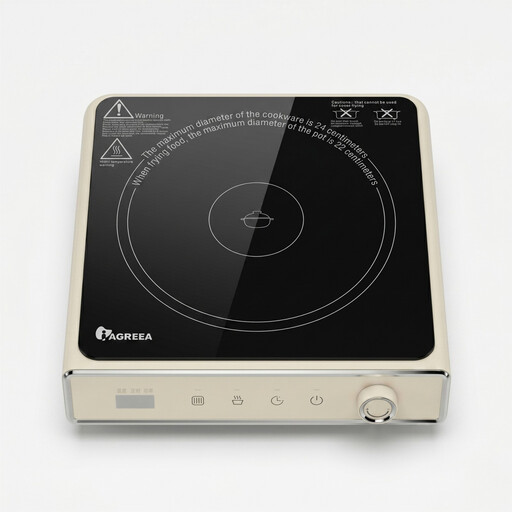
MATCH FOR: The Flexible Cook (Student, Camper, Small Space)
IAGREEA 2000W Electric Ceramic Cooker, Portable Hot Plate

IAGREEA 2000W Electric Ceramic Cooker, Portable Hot Plate

Why This Fits Their Persona: This is an extremely portable and user-friendly solution. Ideal for anyone who needs a simple, reliable burner without installation hassles. Perfect for a student dorm, holiday cabin, or as an extra hob.

How It Avoids the Trap

As a single-burner ceramic hob, it works with all your existing cookware and plugs into a standard outlet. No hidden costs for new pans or an electrician.

Key Advantage & Pros

Compact, lightweight (1.5kg), and compatible with all types of cookware. The rotary knob control is intuitive and precise.
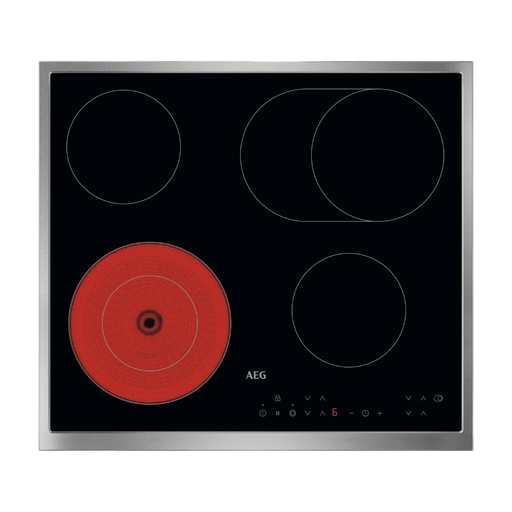
MATCH FOR: The Kitchen Renovator (Family Use)
AEG TN64RA06XB Built-In Ceramic Hob – 60cm

AEG TN64RA06XB Built-In Ceramic Hob – 60cm

Why This Fits Their Persona: A solid and reliable built-in hob for daily use. With 4 cooking zones and a stainless steel frame, it fits into most modern kitchens. A great balance between functionality and a reasonable price.

How It Avoids the Trap

This ceramic hob eliminates the need to buy new cookware. The expandable cooking zone is a genuinely practical feature for large roasting pans, not a superfluous gimmick.

Key Advantage & Pros

The oval, expandable zone offers flexibility for different pan sizes. According to the manufacturer, the AutoMax function ensures faster heating, which saves waiting time.
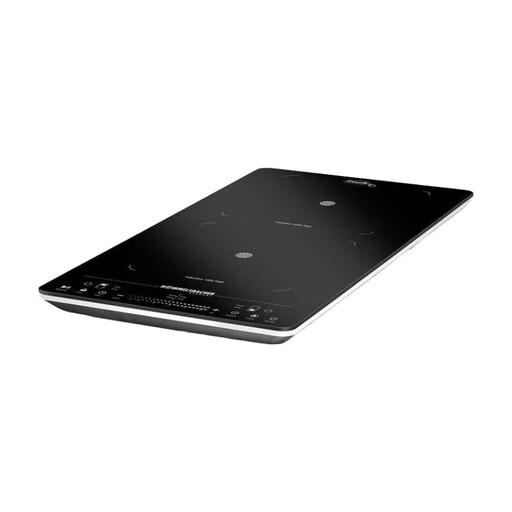
MATCH FOR: The Efficient Home Chef (Compact & Powerful)
Rommelsbacher Vertically double cooking plate CT 3430/IN

Rommelsbacher Vertically double cooking plate CT 3430/IN

Why This Fits Their Persona: For those who want performance and speed but have limited space. This freestanding 2-burner induction hob offers the power of induction in a smart, space-saving vertical design.

How It Avoids the Trap

Although it's an induction model, the target audience (home chefs) is often already aware of the need for suitable cookware. The model focuses on pure performance and a smart design, not on superfluous features.

Key Advantage & Pros

Combines the speed and efficiency of induction with a unique space-saving design. The slide-touch control makes precise temperature regulation simple.

Looking for more options?

We have compiled a complete, up-to-date list of products that fully meet these strict selection criteria and Dutch safety standards.

Frequently Asked Questions

How do I know if I need a single-phase or multi-phase connection?

A good rule of thumb is the hob's total power rating (connection value).

  • Up to 3,700 Watts: Usually suitable for a single-phase connection (a standard wall socket).
  • Above 3,700 Watts: Almost always requires a 2- or 3-phase connection (Perilex). Check the product specifications and look at the plug in the photos. When in doubt, check your electrical panel for a dedicated cooking circuit (usually two or four linked switches), or consult an electrician.

What is the average lifespan of an electric hob?

With normal use and proper maintenance, a ceramic hob or induction hob lasts an average of 10 to 15 years. The lifespan depends on the brand's quality, the intensity of use, and how carefully you treat the glass surface. Prevent scratches by not sliding pans, and clean the surface with recommended cleaning agents.

Is an induction hob really more energy-efficient than a ceramic one?

Yes, an induction hob is more efficient. According to Milieu Centraal (the Dutch environmental knowledge centre), with induction, about 80-90% of the energy goes directly into the pan, compared to around 60% for ceramic cooking. The rest of the energy is lost heating the hob itself and the surrounding area. Although the purchase price of an induction hob (and potentially new cookware) may be higher, you will save on your energy bill in the long run.
