
Cook with a large casserole pan
You cook several portions at once and want to know whether the pan base, cooking zone and space for a second pan will all work together. ETNA and AEG list larger or linkable cooking zones on specific models.


First, choose a cooking zone that suits the base of your large pan, then check that the hob’s electrical connection is suitable for your kitchen. According to the Voedingscentrum, induction responds more quickly to changes in heat than ceramic hobs. A ceramic hob may be an option if your existing pan isn’t suitable for induction, but it heats up more slowly and retains residual heat for longer. On a model designed for a standard plug socket, the available power may be shared between several zones.
You cook several portions at once and want to know whether the pan base, cooking zone and space for a second pan will all work together. ETNA and AEG list larger or linkable cooking zones on specific models.
You want to use a portable hob with a standard plug socket and need to allow for power being shared when several zones are on at once. Inventum describes automatic power management for the VKI6010ZIL; the Consumentenbond highlights the limitations of cooking on several zones at once on freestanding induction hobs with a low connection rating.
You want to keep using your current pan, so you’re comparing ceramic cooking with induction. Milieu Centraal recommends checking whether the pan base is magnetic; the Voedingscentrum explains that ceramic hobs heat up more slowly and retain more residual heat after being switched off.
Start with the pan base and the space you’ll need while cooking. Then check the electrical connection and how you want to control the heat.
| What to consider | What should you check? | Who is this important for? |
|---|---|---|
| Space for the large pan | Measure the pan base and allow for the handles; compare its size with the cooking zone and layout of the exact model. | If I’m using a large casserole pan and possibly another pan at the same time, I want to know whether they’ll actually fit. Around 36% of consumers prioritise pan space. |
| Electrical connection | Check the connection rating, required connection and existing circuit against the instruction manual. | If you want to keep using your existing connection, make sure it’s suitable for the model and the way you cook. Around 29% of consumers make the connection their first requirement. |
| Heat control | Look at the controls and cooking settings; a timer doesn’t prove that a pan will simmer evenly. | If I want to adjust the heat while the stew is cooking, I look at how the chosen model switches between settings. Around 21% of consumers prioritise controllability. |
| Existing pans | Use a magnet to check whether the pan base is suitable for induction, and compare its size with the cooking zone. | If you want to keep using your current pan, check whether it works on induction or is suitable for a ceramic hob. Around 14% of consumers prioritise keeping their existing pans. |
On some freestanding induction hobs, the available power is shared between the zones in use. So the number of zones alone doesn’t tell you how much power you can use for the stew and other pans at the same time. The Consumentenbond describes this limitation on freestanding induction hobs; Inventum lists automatic power management for the VKI6010ZIL.
Compare the connection details and power management with the way you cook, rather than looking only at the number of zones.
The connection requirements vary by model. According to ETNA, the freestanding ceramic ETNA KCV254KWIT requires a two-phase connection and a Perilex socket, so freestanding doesn’t always mean you can plug it into a standard socket.
Before buying, check the plug, circuit and installation requirements for the exact model.
A hob function doesn’t tell you how to cool and store a cooked batch safely. The Voedingscentrum recommends keeping cooked leftovers in the fridge for no more than two days and reheating them thoroughly until piping hot.
Divide the stew into portions to cool, follow the Voedingscentrum’s storage advice and reheat each portion thoroughly before serving.
The KIF590ZT is a built-in induction hob, while the KCV254KWIT is a freestanding ceramic hob. These models illustrate different options for cooking technology, pan space and electrical connections.
The freestanding VKI6010ZIL induction hob is worth comparing if using a standard plug is important to you.
The PKF611BB2E is a built-in ceramic hob to compare if you’re not choosing induction.
The NII84F00FB is a wide built-in induction hob with linkable cooking sections.
This selection includes induction hobs for a large pan, possibly alongside a second pan. Check the pan size and required connection for each model.
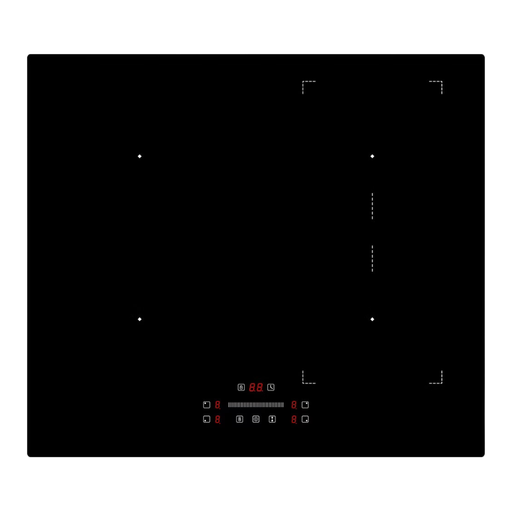 No image available
The four zones and bridge function could be useful if you want to use a large pan alongside a second pan.
The product information lists nine settings, PowerBoost and a timer. The cable is supplied without a plug; check the stated connection options for one or two phases.
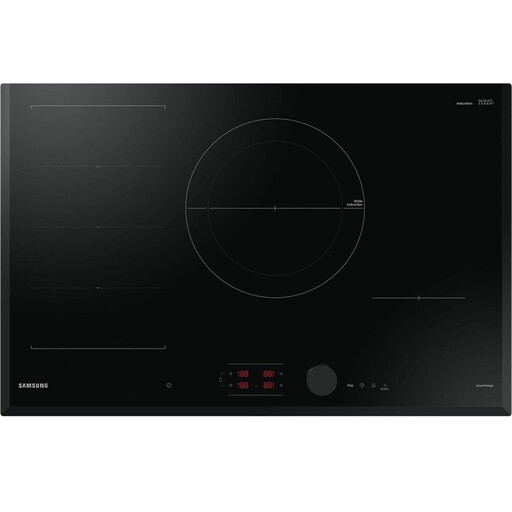 No image available
Flex Zone Plus and four cooking zones could suit cooking with a large pan while leaving space for other pans.
The product information lists 15 power levels and boost functions. It also states that induction-compatible pans are required and that the hob must be installed by a qualified electrician.
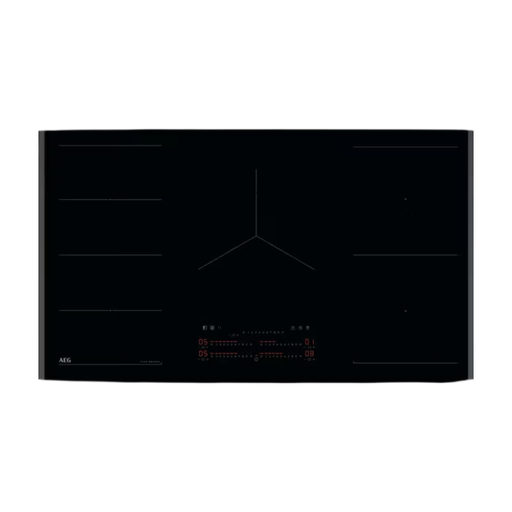 No image available
Flex Bridge can combine cooking zones for a large pan or several pans.
The product information lists PowerSlide for switching between settings, including simmering and keeping food warm, as well as a timer for each cooking zone.
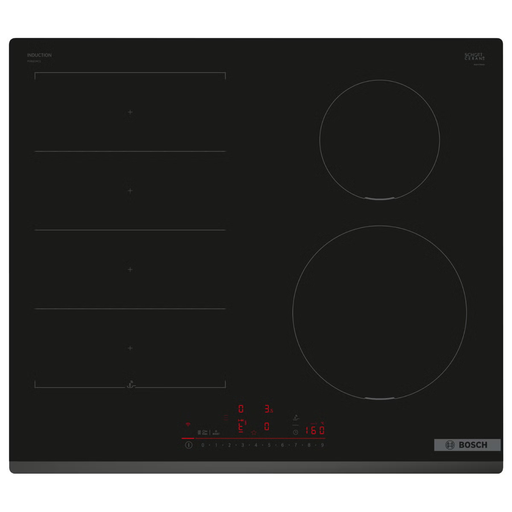 No image available
The product information lists FlexInduction as an option for larger pans.
The product information lists DirectSelect controls, a timer and PowerBoost. Check the pan positioning and installation instructions for the exact model.
 No image available
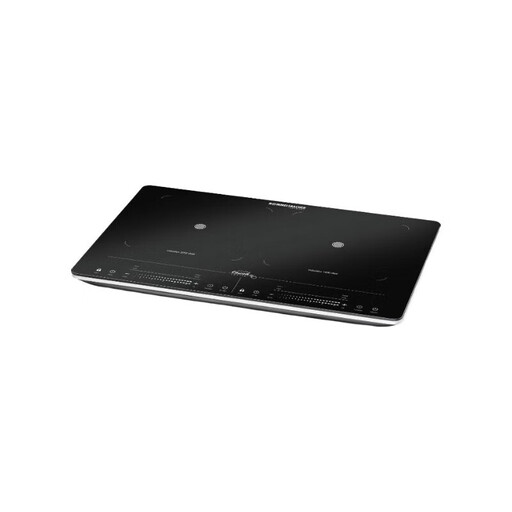
The product information describes a portable induction hob with two zones for use with a large pan and a second pan.
The stated maximum pan size is 260 mm. Induction-compatible pans are required; check that the base of your casserole pan is within the stated size limit.
It may, if the pan base has a magnetic layer. Test it with a magnet, then compare the base size with the cooking zone or the maximum pan size specified for your chosen model.
No, it depends on the model. Inventum lists a standard plug for the VKI6010ZIL; according to ETNA, the freestanding ceramic ETNA KCV254KWIT requires a two-phase connection with Perilex. Follow the connection details for the exact model.
According to the Voedingscentrum, keep cooked leftovers in the fridge for no more than two days, and reheat each portion thoroughly until piping hot before eating. This is general advice for leftovers.
Check that your existing circuit and connection are suitable for the connection rating and installation requirements of your chosen model. The Consumentenbond notes that an induction hob with a connection rating above 3,65 kW requires a higher-capacity connection; ask a qualified professional to assess your setup.
Anyone placing electrical appliances on the market in the Netherlands must comply with the applicable European product safety requirements. CE is a declaration by the manufacturer, not an independent quality mark. If a product is faulty, you have statutory rights against the seller; this does not independently confirm that a particular model complies with the requirements.