
Cooking with one pan
You’re looking for a separate cooking spot for one pan. Compare the diameter of its base with the stated pan or zone size, and check how much space the hob will take up.


If you’re using one suitable pan to make Dutch potato and vegetable mash, a portable hob with one zone may be enough. To use a second pan at the same time, you’ll need another cooking zone. Next, check that your pan is compatible with the hob’s cooking technology and that the electrical connection is suitable for the appliance. Milieu Centraal reports lower average annual energy consumption for induction than for ceramic or cast-iron hobs; these figures are for each category and don’t show how much energy it takes to cook one lunch.
You’re looking for a separate cooking spot for one pan. Compare the diameter of its base with the stated pan or zone size, and check how much space the hob will take up.
You might want to cook Dutch potato and vegetable mash alongside a side dish. Don’t just look at the number of cooking zones: check the electrical connection and how the power is distributed, too.
Your choice will partly depend on the pan you already use. Check whether it’s suitable for induction. If not, a ceramic hob or one with cast-iron rings could be an alternative.
Suitable for: one induction-compatible pan and a separate cooking spot.
Keep in mind: you’ll need another cooking spot to use a second pan at the same time.
Suitable for: cooking Dutch potato and vegetable mash alongside a pan for a side dish.
Keep in mind: single-phase models may share power between active zones. Check the installation requirements, too.
Suitable for: anyone looking for a different cooking technology, for example because their existing pan isn’t suitable for induction.
Keep in mind: zones and electrical connections vary by model, so compare them with your pan and kitchen.
Milieu Centraal gives average annual energy consumption figures of 175 kWh for induction, around 225 kWh for ceramic and 260 kWh for cast iron. These are annual figures for each category, not energy-use measurements for a specific hob or one lunch of Dutch potato and vegetable mash.
| What to consider | What to look for | Who it matters most to |
|---|---|---|
| Cooking zones and pan size | Measure the base of your largest pan and compare it with the stated pan or zone size. Decide whether you’ll need a second zone at the same time. | If I’m using one pan, I want to know whether it’ll fit the cooking zone properly. Around 36% of consumers prioritise cooking space and pan size. |
| Electrical connection | Compare the model’s rated power, plug and installation instructions with the connection in your home. Have a suitably qualified professional assess whether you need a higher-capacity connection. | My hob needs to work with the connection I have at home. Around 29% of consumers give their existing connection top priority. |
| Existing pans | Check that your pan is suitable for induction and that its base is the right size for the cooking zone. A glass surface doesn’t necessarily mean the hob uses induction. | I want to keep using my current pan for Dutch potato and vegetable mash, so I’ll check the cooking technology first. Around 21% of consumers want to keep using their existing pan. |
| Energy use if you cook often | Compare cooking technologies for regular use over time; don’t convert annual figures into energy use per meal. | If I use the hob often, I’ll take its energy use into account. Around 14% of consumers say this is their top priority. |
The number of zones doesn’t tell you whether your existing connection is suitable. The Consumentenbond states that induction hobs with a rated power above 3.65 kW need a higher-capacity connection and a five-pin Perilex socket.
Compare the rated power and installation instructions for the exact model with your kitchen’s electrical connection. Have any required higher-capacity connection installed by a qualified professional.
Ceramic and induction hobs can both have a glass surface, but they use different cooking technologies.
Check which type of hob you’re choosing and whether your pan for Dutch potato and vegetable mash is suitable for it.
The energy-use figures from Milieu Centraal are annual averages for hob categories. They don’t measure the energy used for one meal or by a specific model.
Use them to compare cooking technologies over repeated use, not to predict the energy needed for this lunch of Dutch potato and vegetable mash.
The models mentioned range from a portable single-zone induction hob to hobs with several cooking zones.
The IK-6178 is a freestanding option for anyone looking for one extra induction zone.
The KIF360ZT and KC260ZT let you compare induction and ceramic technology in built-in hobs.
The DK 1014 is an example of a freestanding hob with two conventional heating rings.
The PKF611BB2E is a built-in ceramic hob you can compare with induction models when weighing up different cooking technologies.
This selection includes portable induction hobs and models with multiple zones, for use with one pan or with a second pan at the same time. Before buying, check the connection and CE marking on the specific appliance. The NVWA states that CE marking is compulsory for electrical products in the Netherlands.
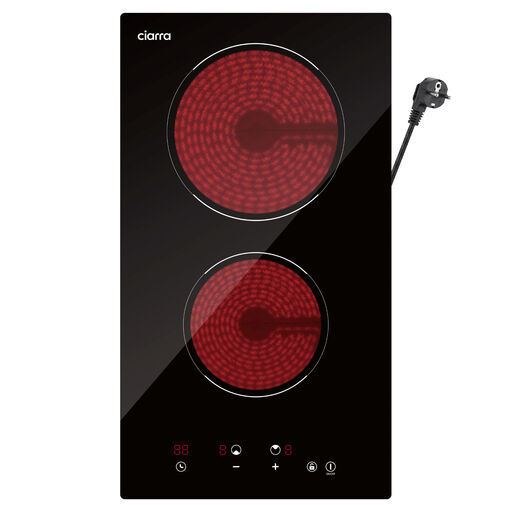 No image available
A built-in option with two zones if you’d like to use a second pan alongside your pan for Dutch potato and vegetable mash.
The product information specifies two zones, with zone sizes of 200 mm and 165 mm. The cut-out size is 260 × 490 mm, and installation by a professional electrician is required.
The hob has nine power levels and a timer of up to 99 minutes for each zone.
 No image available
A separate cooking spot for one pan if you want to cook Dutch potato and vegetable mash on an induction hob.
The product information specifies ten power levels and six cooking functions.
According to the product information, aluminium pans and ceramic pans without a magnetic base won’t work on this induction hob.
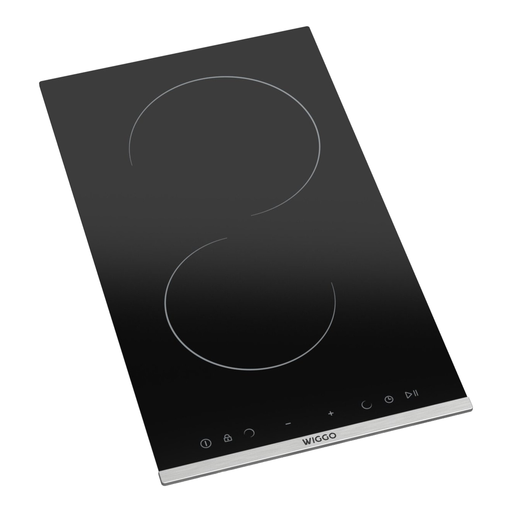 No image available
A two-zone hob to consider if you want to use a pan for Dutch potato and vegetable mash and a second pan at the same time.
The product information specifies zones rated at 1400 W and 1800 W, touch controls and a timer for each zone.
This built-in hob requires induction-compatible pans. Check the connection and installation instructions for your kitchen.
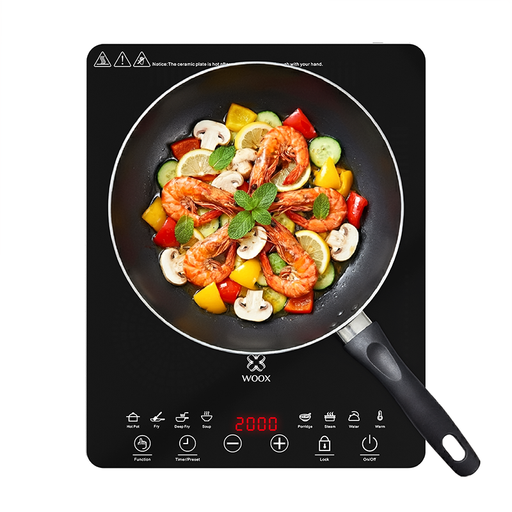
 No image available
A separate cooking spot for one induction-compatible pan for Dutch potato and vegetable mash.
The product information specifies a power output of up to 2000 W, ten power levels and a timer of up to three hours.
The stated pan size is 12–26 cm; check the diameter of your pan’s base.
 No image available
A portable cooking spot for one pan if you’re looking for a separate induction hob.
The product name specifies eight temperature and power levels, and a heating coil radius of 155 mm.
According to the product information, use only pans that are suitable for induction.
No. According to the Consumentenbond, a single-phase induction hob with a standard plug can be connected to a standard earthed socket. For hobs with a rated power above 3.65 kW, the Consumentenbond specifies a higher-capacity connection and a five-pin Perilex socket. Always follow the instructions for the exact model.
Check that the pan is suitable for induction, then compare the size of its base with the stated size of the cooking zone. Some hobs specify which pans won’t work; for example, the ochama hob’s product information lists aluminium pans and ceramic pans without a magnetic base.
Follow the instructions for the model you choose. For example, the Inventum KI120T manual specifies a flat, heat-resistant surface and at least 10 cm of ventilation space at the sides and back. Don’t automatically apply this clearance to other models.
The NVWA states that CE marking is compulsory for electrical products. Check the marking on the specific appliance; information about a brand or product category doesn’t automatically prove that a particular item carries the marking.
According to ACM ConsuWijzer, online purchases often come with a cooling-off period of up to 14 days after delivery. Check the terms that apply to your purchase, and measure the available space and electrical connection before you buy.