Start by checking the base diameter of your casserole, the space available for a side dish and the connection in your kitchen. A built-in induction hob gives you room for several zones; a portable induction hob avoids the need for a cut-out, but limits how much you can cook at once. A ceramic hob may let you keep using your existing pans, but it responds less quickly and, according to Milieu Centraal, uses more electricity than induction. Check the pan size, installation requirements and dimensions for every model: a flex zone won’t necessarily suit every round pan.
Which hob is right for you?
If you cook with a large casserole
You’ll want room for a family-sized pan and, ideally, a side dish at the same time. The Consumers’ Association recommends matching the pan base to the cooking zone; also check the layout of the zones and the available installation space.
If you don’t have a suitable built-in connection
You’ll want to know in advance what your existing connection can support, rather than assuming a powerful hob will simply fit. Compare the connection instructions for the exact model with your existing installation.
If you want to keep your existing pans
Weigh up pan compatibility and the possible cost of replacements against the precise control offered by induction. Ceramic may be an option if your existing pans aren’t suitable for induction, but check the connection requirements too.
What should you look for when choosing?
Choose a hob to suit your casserole, the space you need for other pans and the connection available in your home.
Built-in induction hob
A good fit if: you want to cook your casserole and a side dish at the same time, and your cut-out and connection are suitable.
Consider: measure the base of your pan; a flex zone won’t necessarily suit every pan shape.
Portable induction hob
A good fit if: you don’t want to cut into your worktop and cooking with one pan at a time is enough.
Consider: a single zone leaves no room to cook a side dish at the same time; check that your pan is within the specified size range.
Ceramic hob
A good fit if: keeping your existing pans is a priority and the model’s connection suits your kitchen.
Consider: according to Milieu Centraal, ceramic hobs respond less quickly and use more electricity than induction hobs.
| What to consider |
What should you check? |
Who should pay particular attention? |
| Pan size and cooking space |
Measure the base of your casserole and compare it with the shape and size of the zone. Also check whether there’s room left for a second pan. |
If I want to cook the stew and a side dish at the same time, the pan needs to fit on the zone without getting in the way of the other pans. Around 29% of consumers are most concerned about pan size and having several zones. |
| Connection and installation |
Check the power rating, connection requirements and the dimensions of the worktop and recess for the exact model. |
I want to know in advance whether the hob will fit my existing connection and kitchen before I call an installer. Around 29% of consumers prioritise connection and installation. |
| Adjusting the heat |
Look at the controls and low heat settings on the model. Check whether the timer switches off the zone or simply gives you a signal. |
If the stew needs to simmer gently for a while, I want to be able to turn the heat down easily. Around 24% of consumers focus on adjustable simmering. |
| Existing pans and switching |
Check whether your pan is suitable for induction and fits the cooking zone. Include any pan replacements and installation costs in your decision. |
I’d like to keep using my pans and know in advance what changes switching will involve. Around 18% of consumers care most about keeping their pans and the total cost of switching. |
Pitfalls to avoid
-
Assuming a flex zone guarantees your family-sized pan will fit
The size and shape of the pan base still need to match the cooking zone.
Measure the base of your pan and compare it with the dimensions and usage instructions for the flex zone on the exact model.
-
Assuming an electric hob will always work with a standard plug socket
Even a freestanding ceramic hob with four zones may require a Perilex connection; requirements vary by model.
Compare the model’s instructions with the connection in your home. If you’re unsure, ask an installer to assess the setup.
-
Comparing only the hob and forgetting the rest of the switch
An induction hob won’t make your existing pans compatible. You may also need to modify the connection or worktop.
Check your pans and installation first, then compare the total work required and the cost of any replacement pans.
Relevant brands to consider
ETNA
The KIF460MG is a built-in induction hob with four zones and connectable zones; the KCV254KWIT is a freestanding ceramic hob with four zones.
- ETNA says the KIF460MG has a flex zone and a keep-warm function.
- The KIF460MG has a stated power rating of 7400 W; check the connection and installation requirements. According to ETNA, the KCV254KWIT requires a Perilex connection and has no child lock.
Inventum
The KI120T is a portable, single-zone induction hob for anyone who wants to cook without cutting into the worktop.
- Inventum specifies 2000 W, pans measuring 15 to 20 cm and a standard plug for this model.
- A single zone and the specified pan size may be limiting if you’re using a large family-sized casserole or want to cook a side dish at the same time.
AEG
The V64IOB00FB is a 60 cm built-in induction hob with four zones and a bridge function.
- AEG lists power management for a single- or two-phase connection for the V64IOB00FB.
- The stated power rating is 7200 W. Check the circuit, connection and power limit set for your kitchen.
Bosch
The PXV875DC1E is an 80 cm built-in induction hob with five zones. It’s an option to consider if space for pans and cooking several dishes at once are important to you.
- Bosch lists FlexInduction and Move Mode, with a simmer setting, for this model.
- The hob needs a suitably sized recess; check the installation dimensions and whether the features suit your pans and cooking style.
Siemens
The ED675FSB5E is an example of a 60 cm built-in induction hob with four zones and connectable zones.
- Siemens lists a combiZone and a switch-off timer for this model.
- Siemens says this model is no longer available, so treat it as an example of the features on offer, not as a confirmed current purchase option.
Hobs at Joybuy
This Joybuy selection consists mainly of built-in induction hobs, plus one built-in ceramic model. Compare the zone layout, any flex or bridge functions, and the connection and installation requirements with your own pan and kitchen.
 No image available
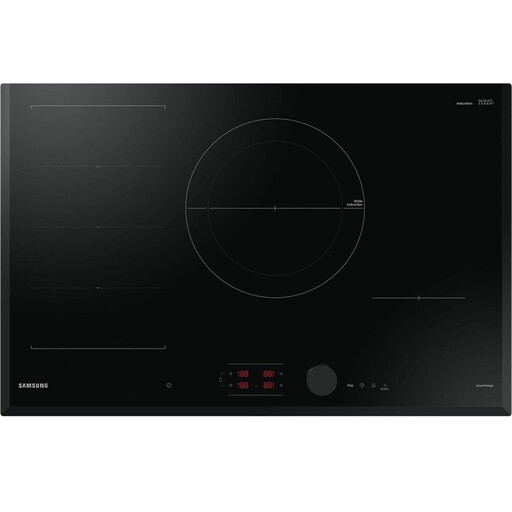
Samsung NZ84C6058KK, 80 cm, 4 cooking zones
The flexible zone may be useful if you use a large pan or several pans; check that the installation space and connection are suitable.
The product description lists a 210 × 380 mm flex zone, 15 power levels and Boost.
View at Joybuy
 No image available
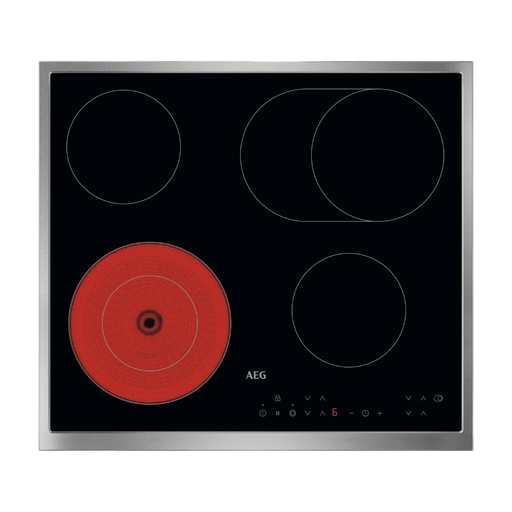
AEG TN64RA06XB ceramic hob, 60 cm, 4 zones
This ceramic model may suit you if you want to keep using your existing pans; check the connection and cut-out requirements first.
The description lists an expandable vario zone, touch controls and a timer. The stated connection is 220–240 V / 400 V 2N.
View at Joybuy
 No image available
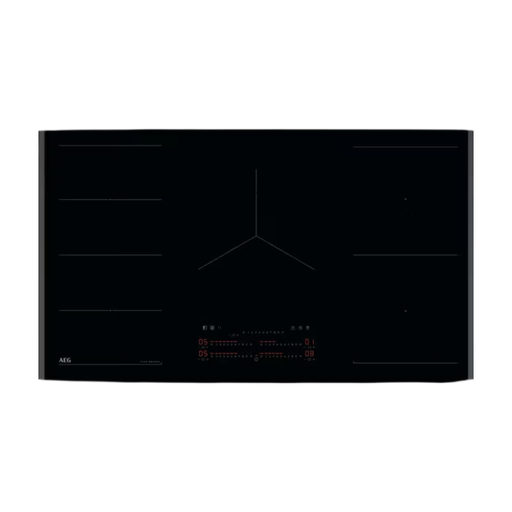
AEG TK95II08FB induction hob, 4 cooking zones
The bridge function may be useful for larger cookware; check that your pan suits the zone and that the hob fits your installation.
The product description lists Flex Bridge, PowerSlide and PowerBoost. PowerSlide is described as a way to switch between high and low heat.
View at Joybuy
 No image available
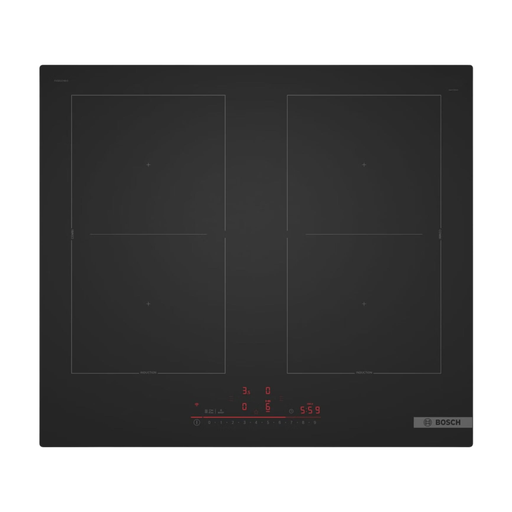
Bosch PVQ61CHB1E, 60 cm, 4 zones
The connectable zone may be useful for a larger pan; check the pan size and the installation space required.
The product description lists a CombiZone and a connection rating of 7,4 kW. Check that your electrical connection is suitable.
View at Joybuy
 No image available
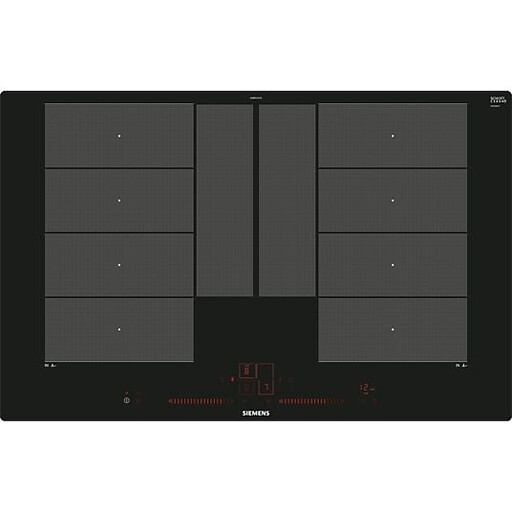
Siemens EX801LYC1E induction hob, 4 cooking zones
The flexible zone may be useful for a larger pan; check the pan size and the cut-out required.
The product description lists a zone adjustment for cookware up to 30 cm and powerMove Plus, with different heat zones.
View at Joybuy
Frequently asked questions
Can I use my existing casserole on an induction hob?
It depends on the base of the pan and the cooking zone. Check that the base is magnetic and suitable for induction, then compare its size with the zone. Assess your own pan and follow the guidance from both the pan and hob manufacturers.
Can I plug a four-zone hob into a standard socket?
You can’t tell from the number of zones alone. Check the connection instructions for the exact model and the electrical installation in your home. For example, according to ETNA, the ETNA KCV254KWIT requires a Perilex connection, while the Inventum KI120T is specified with a standard plug. Ask a qualified professional to assess any changes that may be needed.
How can I use a hob safely while slow-cooking a stew?
Stay nearby while you’re cooking. The Fire Service advises keeping flammable materials away, using a kitchen timer if needed and cleaning the extractor hood regularly. A timer is no reason to leave the hob unattended.
What extra costs and warranty rights should I allow for?
If you need a built-in installation or a new connection, ask for a quote for the complete job; the work required will determine the cost. In the Netherlands, statutory consumer protection means a product must be of satisfactory quality, with no fixed statutory warranty period. The Dutch Government advises contacting the seller if there’s a fault; any manufacturer’s warranty is in addition to this.
Is there a grant available for an electric hob?
The ISDE grant doesn’t apply to every purchase. The Netherlands Enterprise Agency lists € 400 for a new electric cooking facility under specific conditions, including the home being connected to a heat network and the gas connection being removed. Check the full eligibility criteria and application deadline before factoring this amount into your budget.


