
Cooking for a shared meal
If you want to cook buckwheat pancakes while heating a filling or keeping cooked pancakes ready to serve, look for two usable zones and check the total connected load.


For a meal to share, two usable cooking zones are handy if you want to make pancakes and a filling at the same time; if you cook everything one after the other, one zone may be enough. First, choose a zone that suits the flat base of your pan, then check that the hob’s total connected load is suitable for your household electrical circuit. Induction requires a suitable, magnetic pan base; a hob with heating elements does not, but its surface gets hot.
If you want to cook buckwheat pancakes while heating a filling or keeping cooked pancakes ready to serve, look for two usable zones and check the total connected load.
Compare your pan’s flat base with the diameter of the cooking zone. The Netherlands Nutrition Centre recommends cooking pancakes over a medium-high heat; adjustable settings can help you fine-tune the heat as you cook successive pancakes.
First check whether your pan is suitable for induction. Milieu Centraal says a magnetic steel layer in the base is a useful indication; a hob with heating elements is an alternative if your pan does not work on induction.
Start with the size of your pan base and whether your pan is compatible. Then decide whether you need one or two zones, and check the connected load for the place where you’ll be cooking.
| What to consider | What should you check? | Who is this important for? |
|---|---|---|
| Zones for your meal | Check the number of zones, their sizes and the total connected load; don’t assume all zones can run at full power simultaneously by adding their individual power ratings together. | If I want to make pancakes and a filling at the same time, I want to know whether both pans will fit and whether the hob has enough power. Around 36% of consumers prioritise cooking two things at once. |
| Pan size and heat control | Compare the flat base of your pan with the stated zone size, and check which heat settings are available; the number of settings alone does not prove that browning will be even. | With a wide pancake pan, I want its base to suit the zone and to be able to adjust the heat as I cook. Around 29% of consumers give pan size and heat control top priority. |
| Existing pans | Check whether the pan base is magnetic, for example with a magnet, before choosing induction. | If I want to keep using my current pans, I first check whether they work on induction. Around 21% of consumers prioritise keeping their existing pans. |
| Power supply and positioning | Read the total connected load and the instruction manual, check which appliances share the same circuit, and place the hob securely with room for heat to escape. | When I’m cooking on a shared circuit, I want to know whether the power supply can handle the hob and other appliances, and whether I can position it securely. Around 14% of consumers say power supply and positioning are their main considerations. |
With induction in particular, a pan base that is much larger than the cooking zone may heat unevenly.
Compare the diameter of the pan’s flat base with the stated zone size, not just the width of the pan.
The total available power may be limited. For example, the IKEA TILLREDA has a setting for a total connected load of 2200 W or 3500 W.
Check the combined connected load and choose the setting that suits your household electrical circuit.
A pan without a suitable magnetic base will not work on induction.
First check the pan base with a magnet, and consider a hob with heating elements as an alternative.
The TILLREDA, with two portable induction zones, may suit anyone who wants to make pancakes and a filling at the same time.
The DK 1042 is a freestanding double hob with heating elements, for anyone who wants to use existing pans without needing them to be induction-compatible.
The KP-6245 has two separately controlled zones with heating elements.
The S-Line 2100 is a portable, single-zone induction hob for anyone who cooks pancakes one after another.
This selection includes freestanding induction hobs with one or two zones, as well as a double hob with heating elements.
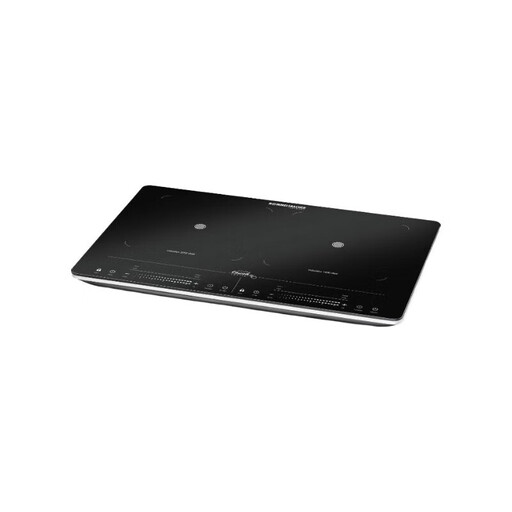 Image unavailable
The two induction zones are designed for anyone who wants to heat a filling while cooking pancakes.
The product description lists 1400/2000 W, ten power settings and pans up to 260 mm. Induction requires a suitable magnetic pan base; the glass surface gets hot during use.
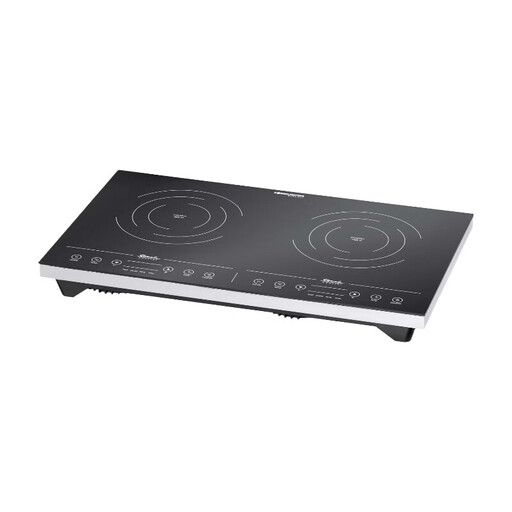 Image unavailable
With two induction zones, this hob may suit a meal where you want to make a side dish as well as pancakes.
The product description lists zones of 1400 W and 2000 W, ten power settings, temperature settings of 60–240 °C and a pan size of up to 230 mm. Use induction-compatible pans only.
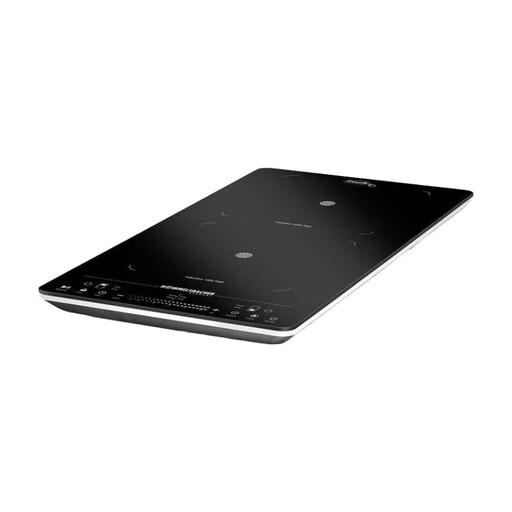 Image unavailable
The two induction zones suit anyone who wants to cook pancakes and a filling at the same time, provided the pans and power supply are compatible.
The product description lists a rated power of 3100 W and a maximum of 3400 W, ten power settings and ten temperature settings, and a zone or pan size of 120–260 mm. Use a flat-based, magnetic induction pan and, according to the product information, keep pacemakers, credit cards and phones at least 30 cm away from the hob during use.
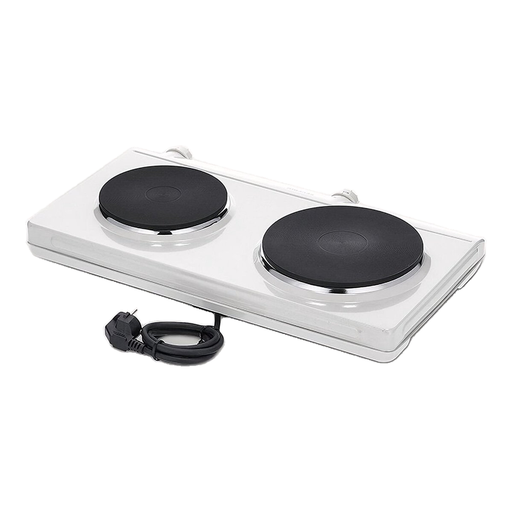 Image unavailable
This double hob with heating elements may suit you if you want two zones and don’t have induction-compatible pans.
The stated total power rating is 2500 W. Severin lists heating rings of 15,5 and 18,5 cm; the smaller ring may be restrictive for a wide pan. The surfaces get hot.
 Image unavailable
One induction zone may be enough if you cook pancakes one after another and don’t need a second zone to heat a filling at the same time.
The product description lists 2000 W, ten power settings, ten temperature settings and a zone of 12–23 cm. Use a pan with a suitable ferromagnetic base; the surface may get hot.
Check whether the base is magnetic, for example with a magnet, and look for an induction symbol on the pan. Also compare the flat base of the pan with the cooking zone: according to the Consumers’ Association, a much larger base may heat only in the centre.
Don’t assume you can. Check the total connected load, the instruction manual and which appliances share the same circuit; the Consumers’ Association warns that simultaneous use on a shared circuit may be limited. The Netherlands Fire Service advises plugging high-power appliances directly into a suitable socket rather than using a multi-way adaptor or cable reel.
The Netherlands Nutrition Centre recommends cooking pancakes over a medium-high heat until cooked through and golden. Flip the pancake when the top is dry.
CE marking is compulsory for an electrical hob placed on the Dutch market as a consumer product. According to the Netherlands Food and Consumer Product Safety Authority, this requirement does not mean that every individual product must be independently tested.
For a standard online consumer purchase, you generally have up to 14 days after delivery to change your mind, subject to legal exceptions. If the hob does not perform as you could reasonably expect during normal use, the seller is responsible for offering a suitable solution, according to ACM ConsuWijzer; a manufacturer’s warranty does not replace your statutory rights.