
Cook with little time to prepare
You want to get the water for your green vegetables boiling in good time, then cool the vegetables immediately in iced water after blanching.


For a single blanching pan, a portable induction hob is a practical choice if the pan base and size are compatible. If you want to cook several dishes at once, a built-in hob is only suitable if the worktop cut-out and electrical connection are right. Ceramic is an alternative if induction isn’t suitable, but Milieu Centraal says ceramic cooking is less energy-efficient than induction. Check the CE marking too, and cool the vegetables immediately in iced water after blanching.
You want to get the water for your green vegetables boiling in good time, then cool the vegetables immediately in iced water after blanching.
You’re preparing vegetables while other parts of the meal are cooking on the hob. The number of usable zones and the electrical connection are important considerations.
You’re looking for an extra cooking spot without cutting into your worktop, and want to make sure the pan, plug and available space are right for a portable model.
A good fit if: you want one extra zone for your blanching pan and don’t want to cut into your worktop.
Bear in mind: the size of your pan, whether its base is suitable and the space around the appliance. One zone won’t accommodate several pans at once.
A good fit if: you want to use the blanching pan alongside other pans, and the cut-out, pans and connection are compatible with your chosen model.
Bear in mind: it needs to be built in and may require a higher-capacity connection. The Consumentenbond says that induction hobs with a connected load above 3.65 kW require a higher-capacity connection and a 5-pin Perilex socket.
A good fit if: induction isn’t suitable for your pans or circumstances, but a built-in electric hob is an option.
Bear in mind: Milieu Centraal says ceramic cooking is less energy-efficient than induction. Check the electrical connection too, and take residual heat into account.
| Consideration | What to check before buying | Who it matters to |
|---|---|---|
| Getting the water boiling in time | Compare your pan size with the usable cooking zone. Look for independent boiling-time tests if available. | If I need boiling water ready before my friends arrive, I’ll make sure the pan and cooking zone are a good match. Around 36% of consumers say getting water to the boil in time is their top priority. |
| Using several pans at once | Check the space between the zones and how much power is available when they’re all in use. | If I’m cooking other dishes too, I’ll check whether the pans fit side by side and can be used at the same time. For around 29% of consumers, space and power for several pans come first. |
| Positioning and electrical connection | For a portable hob, check the instructions on the plug and positioning. For a built-in model, check the cut-out, connected load and existing installation. | I want an extra cooking spot without making an unsuitable change to my kitchen. Positioning and the electrical connection are the main consideration for around 21% of consumers. |
| Using an existing pan | Check whether the base is magnetic and whether its diameter is within the range supported by the specific model. | If I want to keep my existing blanching pan, I’ll first check that it’s compatible with the hob I choose. Around 14% of consumers put compatibility with existing pans first. |
Several zones don’t automatically mean you can use every pan on a high setting at the same time. The electrical connection and power distribution also matter.
Compare the connected load and check how much power is available when several zones are on. If necessary, have the connection for a built-in hob assessed.
An induction hob needs a suitable pan base. Your blanching pan may also be too large or too small for the cooking zone on a portable hob.
Before buying, check both the pan base and the diameter supported by the specific model.
The two technologies have different requirements when it comes to pans. Milieu Centraal says induction is more energy-efficient than ceramic cooking. Remember that ceramic zones also retain heat.
Consider whether your pans are suitable, along with the electrical connection and how you plan to use the hob, rather than choosing based on the technology alone.
The portable KI120T is worth considering if you’re looking for one extra induction zone.
The IK-6178 is a freestanding induction hob that gives you extra cooking space.
The PIE661BB5E and PKF611BB2E are examples of two different built-in options: induction and ceramic electric cooking.
The KP 1071 is a compact portable induction hob to consider as an extra cooking zone.
This selection includes portable and built-in induction hobs for one or more pans. Check the pan size, electrical connection and installation requirements for each model. For built-in hobs, also have the cut-out and electrical connection assessed. The Netherlands Food and Consumer Product Safety Authority says that applicable product requirements and CE marking apply to electrical consumer products.
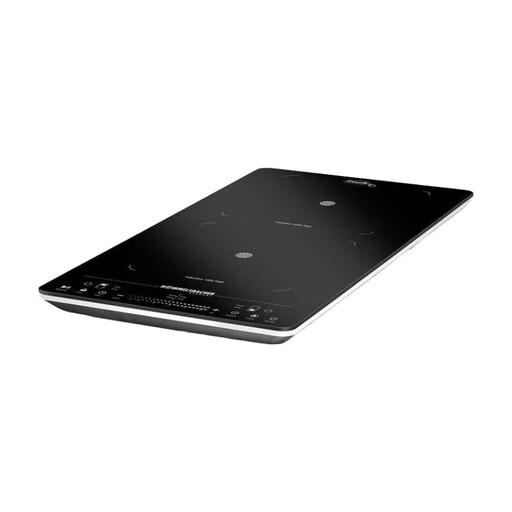 Image unavailable
The two zones give you room to use a blanching pan alongside another pan.
Suitable for induction pans with a flat magnetic base and a diameter of 120–260 mm. The product information also lists a timer and automatic shut-off.
The product information warns of a strong electromagnetic field and advises keeping pacemakers and certain magnetic or electronic items at least 30 cm away during use.
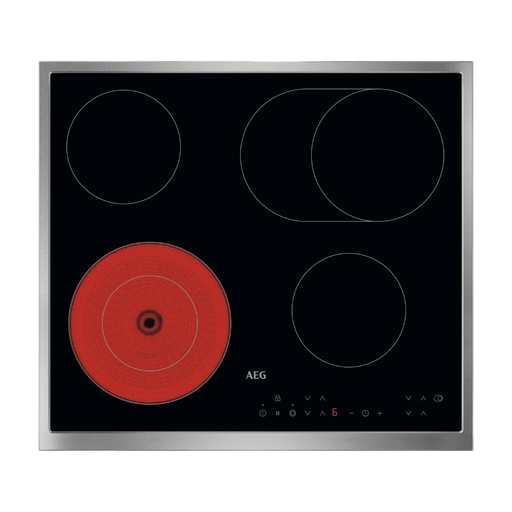 Image unavailable
This ceramic built-in hob has four zones, giving you space to cook with several pans at once.
The product information lists an expandable zone of 1.5–2.4 kW. This is a built-in model with a stated connection of 220–240 V / 400 V 2N. The product information says it should be installed by an electrician.
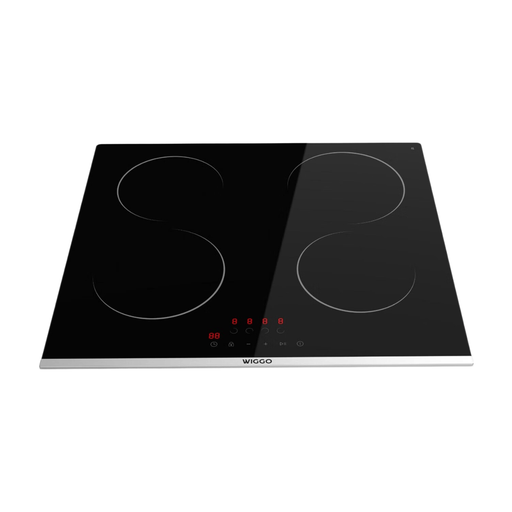 Image unavailable
Four induction zones give you room to use your blanching pan alongside other pans.
The product information lists four zones, each rated at 1.8 kW. This is a built-in model. Check the cut-out dimensions and follow the installation instructions, including the requirement for installation by a qualified electrician.
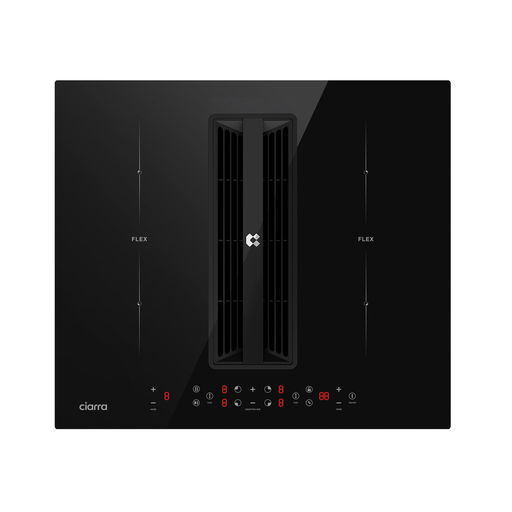 Image unavailable
Four zones and a FlexZone give you different options for positioning several pans.
The product information lists a hob power rating of 7000 W and a 32 A connection. The installation kit is sold separately, and professional installation is recommended.
 Image unavailable
This portable hob has one zone, making it a good option if you’re looking for a separate spot for your blanching pan.
The stated maximum power is 2000 W. It’s designed for induction-compatible pans with a flat base and a diameter of 12–26 cm. The product name lists 10 power settings and a timer.
Bring water to the boil, cook the vegetables until just tender, then cool them quickly in iced water. Voedingscentrum explains that cooling stops the cooking process. The cooking time depends on the vegetable.
Check that the pan base is magnetic and that its diameter is suitable for the cooking zone. Milieu Centraal says the base must have a magnetic steel layer for induction cooking.
Before buying, compare the connected load and required connection with your kitchen’s electrical installation. In information dated 4 September 2026, the Consumentenbond says induction hobs above 3.65 kW require a higher-capacity connection and a 5-pin Perilex socket.
Don’t assume it’s safe without checking: follow the model’s instructions and check the load on the socket. Brandweer Nederland recommends plugging high-power appliances directly into a socket rather than using an extension lead or cable reel.
Electrical consumer products placed on the Dutch market must meet the applicable product requirements and carry the CE marking. The Netherlands Food and Consumer Product Safety Authority explains this requirement. The marking is the manufacturer’s declaration, not an independent performance or safety test.