
Vandaag of morgen in huis

Kwaliteit gegarandeerd

Welkomstaanbiedingen ontgrendelen: GRATIS bezorging | Tot 80% korting | Gratis 30 dagen JoyPlus-proefperiode
Download de app
A cold living room, cold feet while working from home or extra warmth on the go: electric heating products come in many forms. Think of electric blankets, heated cushions, oil-filled radiators, ceramic heaters and smart radiators. However, a high wattage or eye-catching app feature does not automatically mean that a product is right for your situation.
The key question is therefore not just how much heat an appliance produces, but also where, for how long and under what conditions you use it.
A 2,000-watt heater can produce heat quickly, but at full power it also uses more electricity than a 1,200-watt model. A 1,200-watt convector heater may be sufficient for a small bedroom, while a larger living room may require a different capacity.
Also check the number of settings. A product with several power levels can be used more flexibly than a model that operates only at full power.
Wi-Fi heating is useful when you want to switch the appliance on or off remotely or set a weekly schedule. However, the app does not automatically make the appliance energy-efficient. Energy consumption is mainly determined by the power rating, how long it is used, the temperature setting and the room’s insulation.
A timer, thermostat or absence mode can help limit unnecessary heating.
An outdoor heated mat may appear to be wireless, but it often works with a power bank that must be purchased separately. Always check the connection, capacity and included accessories. With an electric blanket or heated cushion, the length of the cable is particularly important.
A cordless hair straightener or cordless straightening comb also has a limited operating time per charge. This makes such a styling tool practical for use on the go, but not always suitable for extended styling sessions.
Power is stated in watts. A simple calculation gives an indication of energy consumption:
power in watts ÷ 1,000 × usage time in hours = kilowatt hours
A 2,000-watt appliance running at full power for one hour theoretically uses 2 kWh. In practice, a thermostat may switch the heating element off from time to time. So do not look only at the maximum wattage; also consider:
The product specifications provide a starting point. Draughts, ceiling height and outdoor temperature also affect the result.
For heaters, tip-over protection and overheat protection are useful features. They do not replace proper positioning: place an oil-filled radiator or ceramic heater on a stable surface and keep it away from curtains, furniture and bedding. Never cover a heater, and do not use electric heaters in damp areas if the instructions advise against it.
With an electric blanket, heated blanket or heated cushion, an automatic switch-off and a detachable controller are practical features. Use textile heating products spread out flat, not folded. Check the cable, controller and material before every use.
A visible CE mark indicates that the manufacturer declares the product complies with relevant European requirements. Also check that clear instructions, manufacturer details and warranty information are available.
A soft cover improves comfort, but care requirements also help determine how practical a product remains. A removable, washable cover is useful for regular use. Check the exact washing temperature and always remove the controller before washing.
With a heated cushion, size is an important factor: a compact model is easy to store, while a larger heated mat covers more of the body. For outdoor use, weight, storage space and the position of the power bank are more important than an additional heat setting.
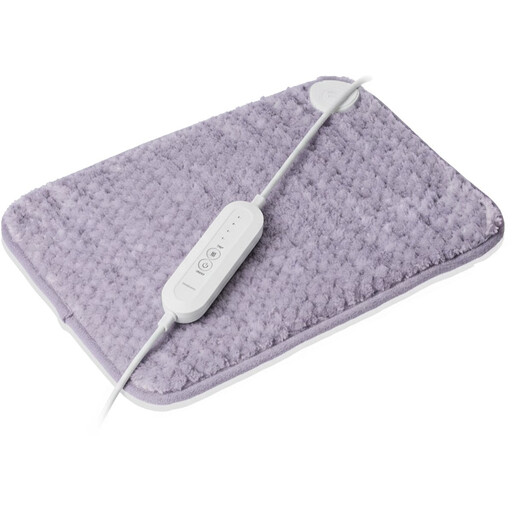
Why it suits this profile: This compact heated cushion is ideal for anyone looking for targeted warmth for areas such as the neck, back or stomach, without having to buy a large appliance.
The four heat settings mean you are not limited to choosing between off and maximum power. The automatic switch-off after 90 minutes helps limit prolonged use.
Coral fleece, four temperature settings, overheat protection and machine washable at 30 °C with detachable controller.
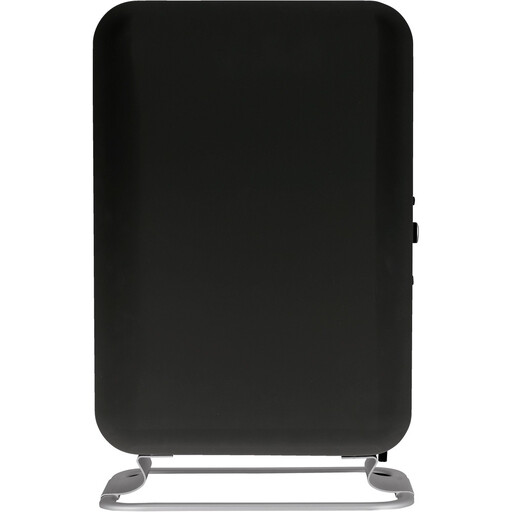
Why it suits this profile: For anyone looking for a fixed heating solution with app control, scheduling and multiple power settings for rooms of up to 34 m² according to the product specifications.
The app function is linked to specific schedules and temperature settings. The maximum power of 2,000 watts can be reduced to 800 or 1,200 watts.
Wi-Fi and Bluetooth connectivity, weekly scheduling, frost-free mode, tip-over protection and overheat protection.
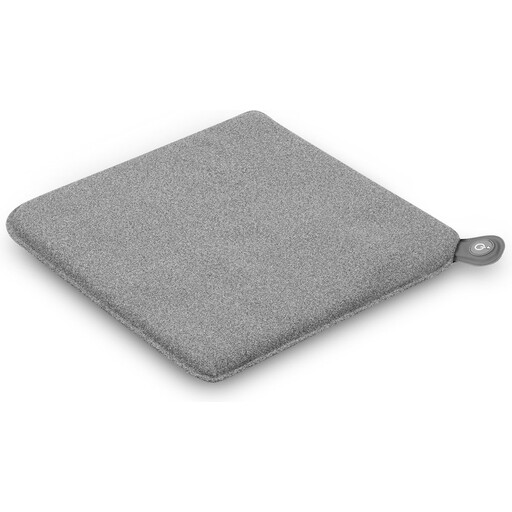
Why it suits this profile: The 40 × 40 cm mat is designed for use when travelling, at sports events or sitting outdoors, and works with a USB-A power bank.
The power source is clearly specified: the power bank is not included. The automatic switch-off after 20 minutes is suitable for short periods of outdoor use.
Wireless use, three heat settings, a removable washable cover and a weight of 310 grams.
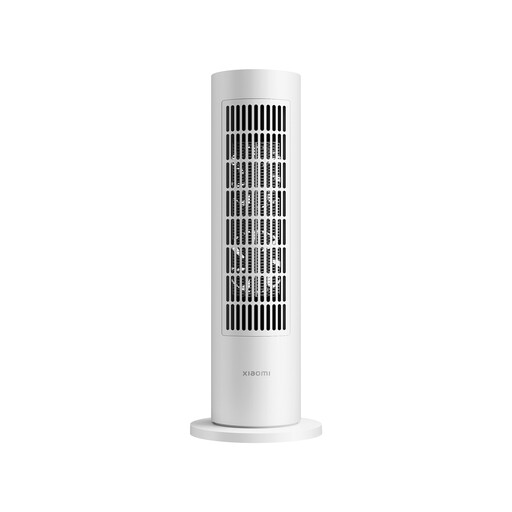
Why it suits this profile: This model combines a compact tower design with control via the Mi Home app, a thermostat function and multiple modes for everyday use.
The app is required for full functionality; this is clearly stated in the product information. This allows you to check in advance whether smart controls suit the way you intend to use it.
PTC ceramic heating element, 70° oscillation according to the product description, timer, tip-over protection and overheat protection.
If you are also considering cordless hair styling, you can compare the Lena cordless hair straightener with the Sunluxy KD382 cordless straightening comb. With these types of products, pay particular attention to battery capacity, temperature settings, heat-up time and cooling procedure.
We have put together a complete, up-to-date list of products that fully meet these strict selection criteria and the applicable European safety regulations.
That depends on the power rating and how long the product is used. Calculate theoretical energy consumption using: watts ÷ 1,000 × hours. A thermostat or timer can limit the number of hours the heating is active. When buying, therefore, compare not only the purchase price but also the power rating and control options.
Always follow the manufacturer’s instructions. Do not use an electric blanket or heated cushion when it is folded, creased or under heavy objects. Automatic switch-off is an additional safety feature, but disconnect the product from the mains when it is not in use. If you have reduced sensitivity to heat, or if the product is being used by young children, ensure appropriate supervision.
An oil-filled radiator uses a heating element filled with oil and is mainly suitable as fixed room heating. A convector heater warms air that flows through the appliance. A ceramic heater uses a PTC ceramic element and is often combined with a fan and compact housing. Alongside the type of heater, consider the power rating, room coverage, thermostat, noise level and safety features.
