
Vandaag of morgen in huis

Kwaliteit gegarandeerd

Welkomstaanbiedingen ontgrendelen: GRATIS bezorging | Tot 80% korting | Gratis 30 dagen JoyPlus-proefperiode
Download de app
An electric heater may seem simple: plug it in, set the temperature and you’re done. However, electric heaters, ceramic heaters, bathroom heaters and heated mats differ considerably in terms of use, energy consumption and safety. If you only look at the wattage or an attractive discount sticker, you could end up buying a product that is unsuitable for the room or the way you intend to use it.
A 2000-watt heater can bring a room up to temperature quickly, but at maximum power it also uses more electricity per hour than a 1400-watt model. An ECO mode or thermostat can help adjust the heat level, but it does not automatically make the appliance cheap to run.
For a simple estimate, use:
power in kilowatts × usage time in hours × your electricity tariff = estimated cost
A 2 kW heater running at full power for one hour uses approximately 2 kWh. In practice, a thermostat can limit the amount of time the heating element is active.
A portable heater is useful in a home office, bedroom or student room, but not every model is suitable for a damp bathroom. Therefore, check the IP rating, installation instructions and minimum distance from water. A product with IPX2 is intended for bathroom use according to the product information, but this does not mean it may come into contact with splashing water or be placed directly beneath a shower.
Outdoor heating also has specific limitations. A heated mat powered by a power bank is portable, but it is not a substitute for a powerful room heater.
A timer, display and remote control are useful, but the basics remain important: stable positioning, overheat protection, a reliable thermostat and suitable power output. Also check whether any required accessory is included. With a cordless heated mat, the power bank is not included, for example.
A compact electric heater may be sufficient for a small workspace. For a larger living room or garage, higher power makes more sense, provided the room, ventilation and electrical supply are suitable. A ceramic heater uses a PTC ceramic element. According to PELONIS product information, this type of element heats up quickly and offers five settings, including ECO. Treat this as a product specification and always check the instructions for use.
A heated mat works differently. It warms a limited surface area, making it suitable for targeted use, such as when travelling, taking part in outdoor sports or sitting on a cold chair. The mat does not heat the entire room.
A heater with a thermostat can follow the set temperature more accurately than an appliance with only an on/off switch. A timer prevents the heater from running unnecessarily. Pay attention to the difference between a simple switch-off timer and a programmable weekly timer.
For a heated mat, a short automatic switch-off period is practical. According to the product information, the Medisana OL 600 switches off after 20 minutes. This is suitable for short periods of warmth, but less convenient if you need heat for a longer time.
Look for features such as:
Do not use electric heating next to curtains, bedding or other flammable materials. Do not touch an appliance with wet hands and follow the manufacturer’s safety warnings. For a bathroom heater, correct wall mounting and connection are particularly important.
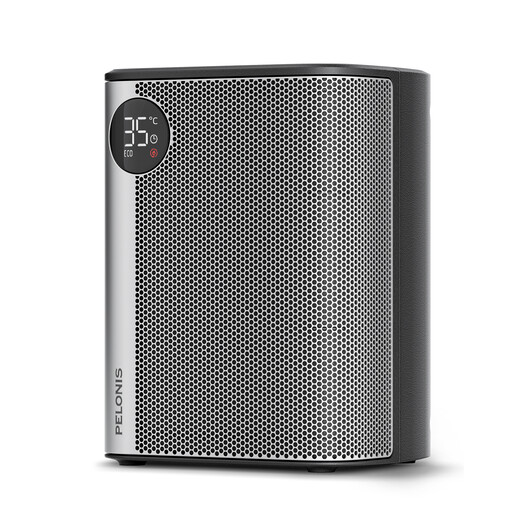
Why it suits this profile: This model combines a portable design with a thermostat, five heat settings and a 24-hour timer. This makes it suitable for a home workspace, bedroom or student room.
The product information lists both an adjustable thermostat and an ECO mode. This means you do not have to rely solely on a fixed maximum setting.
Maximum power of 2000 watts, five settings, 24-hour timer, thermostat, tip-over protection and overheat protection.
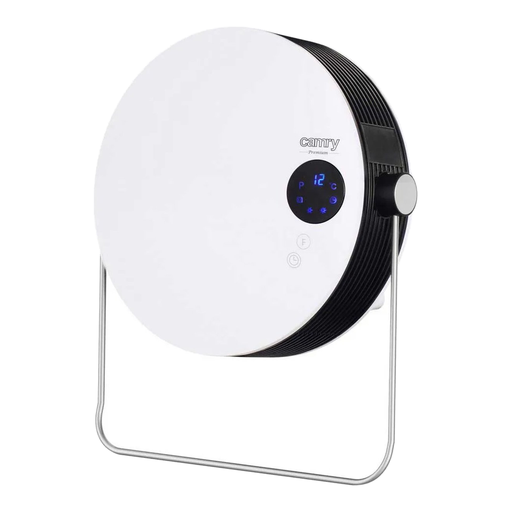
Why it suits this profile: This wall-mounted bathroom heater is designed for permanent installation and everyday use. The built-in towel rail and programmable weekly timer suit a regular morning and evening routine.
Its suitability for bathrooms, IPX2 rating and wall mounting are listed separately. Before installation, however, check the complete safety instructions and required clearance.
Power of 1400 or 2000 watts, temperature setting from 10 to 49 °C, LCD display, weekly timer and overheat protection.
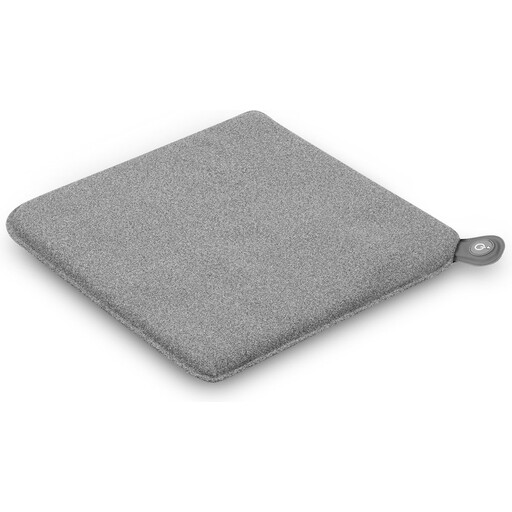
Why it suits this profile: The compact 40 × 40 cm heated mat is designed for outdoor use, travel and sports. It works wirelessly via a USB-A power bank, so you do not need a fixed power socket.
Its intended use is clearly defined: targeted warmth rather than room heating. The power bank is also explicitly listed as not included.
Three temperature settings, automatic switch-off after 20 minutes, washable cover and a weight of 310 grams.
We have put together a complete, up-to-date list of products that fully meet these strict selection criteria and the applicable European safety regulations.
That depends on the power output, usage time, set temperature and electricity tariff. A thermostat and timer can help prevent unnecessary heating for too long. Calculate the expected consumption in advance using the formula above, and do not choose a 2000-watt model if a smaller heater is sufficient for your room.
Only choose a model whose product information specifically mentions bathroom use. Check the IP rating, mounting method and safety clearances. According to the product specifications, the Camry CR 7747 is marketed as a bathroom heater with IPX2 protection and wall mounting. Do not use the appliance where it could come into direct contact with water.
Its lifespan depends on use, storage, cables and maintenance. Before every use, check the mat for damage, creases and signs of wear. According to the product information, the Medisana OL 600 has a removable, machine-washable cover. Only wash it in accordance with the stated instructions and keep the electrical components dry. The statutory guarantee is at least two years according to the product information provided and the applicable EU consumer rules.
