
Vandaag of morgen in huis

Kwaliteit gegarandeerd

Welkomstaanbiedingen ontgrendelen: GRATIS bezorging | Tot 80% korting | Gratis 30 dagen JoyPlus-proefperiode
Download de app
An electric heater is useful when you want to warm one room without heating the entire home. However, there is a wide range to choose from: ceramic heaters and electric fan heaters through to oil-filled radiators, convector heaters and smart heaters with Wi-Fi.
The highest wattage or a prominent marketing label does not tell you everything. Focus on the room, when you plan to use the heater and its safety features. This will help you avoid buying a heater that uses too much electricity, makes too much noise or does not distribute heat effectively.
A 2000W heater can produce heat quickly, but at full power it also uses 2 kWh per hour. For a small home office, a lower output or a thermostat may be more suitable. The stated wattage also does not automatically determine how effectively heat is distributed around the room.
Brands often specify a suitable area, such as 10, 16 or 34 m². This is a guideline taken from the product description. Insulation, ceiling height, draughts, windows and the temperature you want to achieve also have an impact. A heater designed for 16 m² may therefore perform differently in a draughty room than in a well-insulated bedroom.
A timer, ECO mode or app can help limit how long the heater runs. However, converting electricity into heat does not automatically make a heater energy-efficient. Actual consumption mainly depends on the wattage, the temperature setting and how long the appliance remains switched on.
Use the wattage as your first filter:
A thermostat switches off the heating element once the set temperature has been reached. This can help limit unnecessary heating. A heater with a timer is practical for a work session or a short warm-up period. Always check whether the stated area is described by the manufacturer as a guideline.
A ceramic heater or electric fan heater blows warm air into the room. This usually provides noticeable warmth quickly, although the fan noise may be audible. An oil-filled radiator generally heats up more gradually and continues to give off heat for some time after being switched off. A convector heater allows warm air to rise and is often well suited to prolonged, even heating.
Please note: terms such as “efficient”, “quiet” or “fast” come from product information. A brand’s own research may be based on specific testing conditions. Therefore, also look at the concrete specifications, such as wattage, noise level, number of settings and timer duration.
An electric heater should have overheat protection and preferably also tip-over protection. These features switch the appliance off if the temperature becomes too high or if it tips over. They do not replace safe positioning.
Also check the following:
At 230V, a 2000W heater draws approximately 8.7 amps. An overloaded extension lead or multi-socket adaptor can become hot. Always follow the instructions and safety information for the specific model.
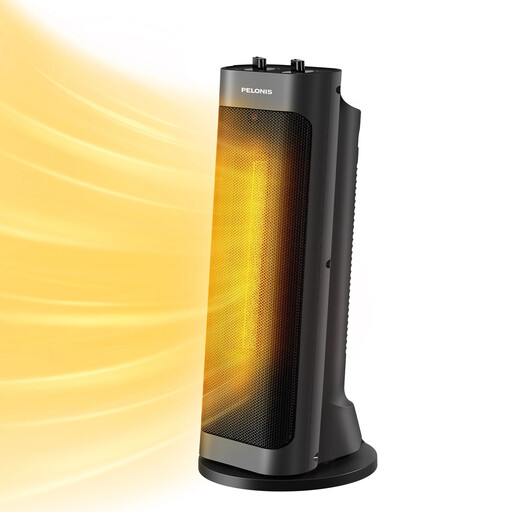
Why it suits this profile: A portable indoor heater with a 2000W output, four settings and a carry handle. The product description states a guideline area of up to 10 m².
The adjustable thermostat and multiple heat settings make it possible to avoid heating continuously at 2000W. Tip-over and overheat protection are included.
PTC ceramic heating, 70° oscillation and a stated noise level of 50 dB according to the product details.
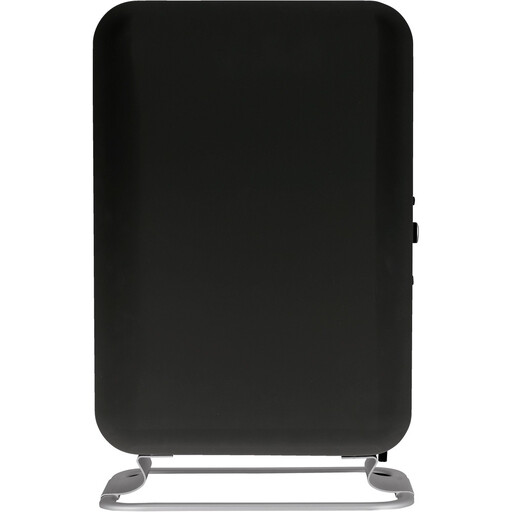
Why it suits this profile: This oil-filled radiator is aimed at people who value control via Wi-Fi, Bluetooth and the Millheat app. The product details state a guideline area of up to 34 m².
The three settings of 800W, 1200W and 2000W give you more choice than simply heating at maximum power. Scheduling through the app can help you set regular usage times.
Oil-filled radiator, Wi-Fi control, frost-free mode, plus tip-over and overheat protection according to the product information.
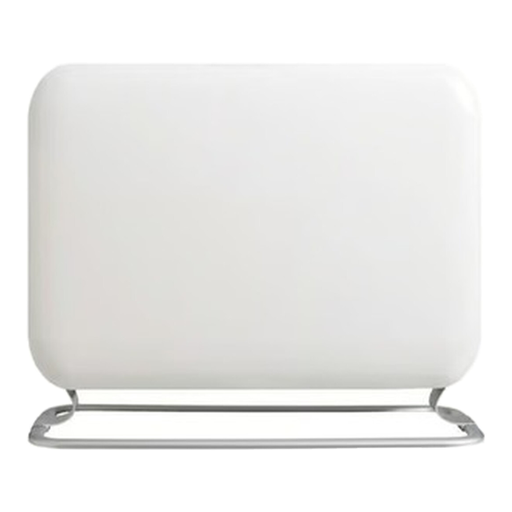
Why it suits this profile: This convector heater is designed for prolonged supplementary heating. According to the product description, you can schedule comfort, sleep and away periods through the app.
Its 1200W output is lower than that of many 2000W fan heaters. This makes it a practical option for moderate, scheduled heating, provided the room is suitable.
Wi-Fi control, weekly scheduling, child lock and overheat protection; the stated guideline area is up to 18 m².
We have put together a complete, up-to-date list of products that fully meet these strict selection criteria and the applicable European safety regulations.
That depends on the wattage and how long you use it. A 2000W heater uses 2 kWh per hour at full power. Multiply this by your current electricity tariff to get an indication of the cost. A thermostat, timer and ECO mode can limit the total running time, but they do not reduce the maximum wattage while the heating element is active.
For a bedroom, a low noise level, thermostat, timer and overheat protection are practical features. An oil-filled radiator works without a fan and may therefore be suitable when quiet operation is important. A ceramic heater warms up more quickly, but its fan may produce more noise. Keep every model clear of bedding and curtains, and do not use it as a permanent replacement for safe home heating.
Check the instructions first. A timer and thermostat make overnight use easier to control, but do not leave a heater running unattended if the manufacturer advises against it. Position the appliance securely, do not cover it and keep it a safe distance from flammable materials. The safety system may switch the appliance off in the event of a fault, but safe use remains the user’s responsibility.
