
Vandaag of morgen in huis

Kwaliteit gegarandeerd

Welkomstaanbiedingen ontgrendelen: GRATIS bezorging | Tot 80% korting | Gratis 30 dagen JoyPlus-proefperiode
Download de app
An electric heater can be useful when you want to heat a bedroom, study, living room, garage or office temporarily. However, the differences between models can be significant. A higher wattage does not automatically mean that a heater is suitable for your space. Terms such as “energy-efficient”, “quiet” and “instant heat” also need to be checked against the technical specifications.
Pay particular attention to three common pitfalls:
A ceramic heater usually uses a PTC element and a fan to circulate warm air. This means you feel the warmth quickly. This type is suitable for a study, bedroom or smaller living room where you want to raise the temperature quickly.
A fan heater can be audible during use. Therefore, check the stated noise level if you are looking for a quiet heater for the bedroom or office. Models with oscillation distribute air across a wider angle, but need sufficient clearance around them.
A convector heater warms the air without using a fan. The warm air rises and gradually spreads throughout the room. This generally results in quieter operation, although the heat-up may feel less immediate than with a fan heater.
A convector is worth considering for a permanent position in a living room or study. Check the dimensions, cable length and recommended area. The stated square metres are indicative and depend on insulation, ceiling height and outdoor temperature.
An oil-filled radiator heats up relatively gradually and continues to give off heat for some time after being switched off. This can be pleasant for prolonged use in a bedroom or living room. The downside is that an oil-filled radiator is often heavier and less easy to move.
A model with a thermostat, schedule or app control can help prevent unnecessary heating for too long. According to Mill’s own product information, the OIL2000WIFI3 can be controlled and scheduled via the Millheat app. Check beforehand that the app is compatible with your Wi-Fi network and smart home platform.
An infrared heater primarily warms people and surfaces within its range, rather than all the air in the room. This makes this type suitable for a seating area, desk, patio or balcony. The heated zone is often smaller than with a heater that circulates warm air around the room.
For outdoor use, pay attention to the IP rating. An IP44 model is protected against splashing water, but do not place the heater in the rain, underwater or in a very damp environment without checking the instructions.
Power is stated in watts. A 2000-watt heater theoretically uses 2 kWh per hour at maximum power. Actual running costs depend on the selected setting, thermostat, insulation and length of use.
Do not just look at the wattage; also compare:
A smaller model of 800 to 1200 watts may be suitable for a desk or compact room. Models from 1800 to 2200 watts are available for larger spaces, but always check that the stated capacity is suitable for your home.
A heater with a thermostat switches the heating on and off around the selected temperature. A heater with a timer can switch off automatically after a set period. This is useful when you need heat temporarily or do not want the appliance to keep running unnecessarily.
Additional control options include:
Please note: “energy-efficient” does not mean that the appliance uses less electricity at the same maximum power. An ECO mode or accurate thermostat can mainly help by limiting the heating duration and power output.
Check whether the electric heater has overheat protection and tip-over protection. A visible CE marking indicates that the manufacturer declares the product complies with relevant EU requirements. You should also read the manual and safety information.
In practice, follow these rules:
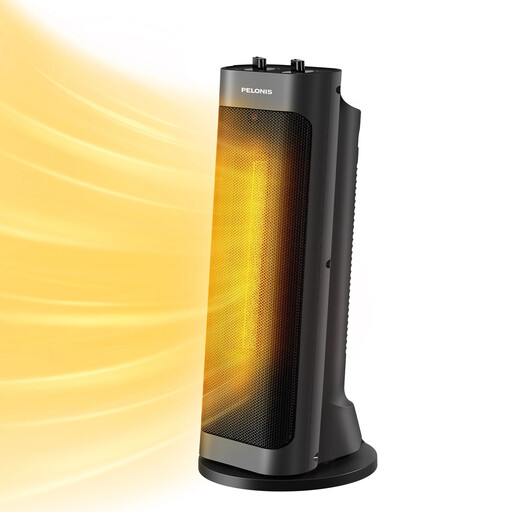
Why it suits this profile: A portable ceramic heater with a maximum output of 2000 watts, four heat settings and a handle for use in, for example, a study or bedroom.
The product specifications list multiple settings, an adjustable thermostat, 70° oscillation, and tip-over and overheat protection.
PTC ceramic heating, a compact design, carry handle and a stated noise level of 50 dB.
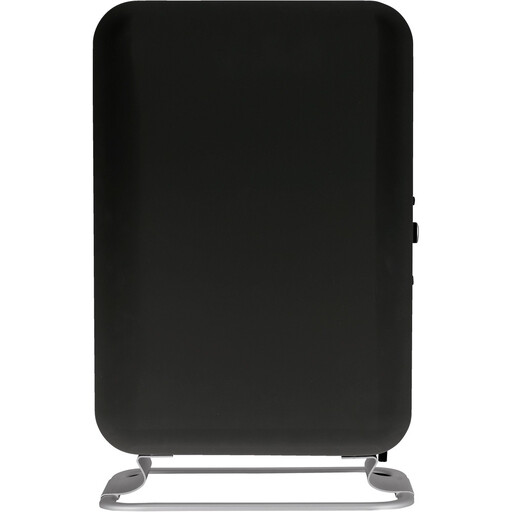
Why it suits this profile: Designed for those who value prolonged heating and remote control in a living room, office or larger bedroom.
The heater has three power settings of 800, 1200 and 2000 watts, plus thermostat and app control, so you do not have to use maximum power continuously.
Wi-Fi and Bluetooth, suitable for areas up to 34 m², frost-free mode, and tip-over and overheat protection.
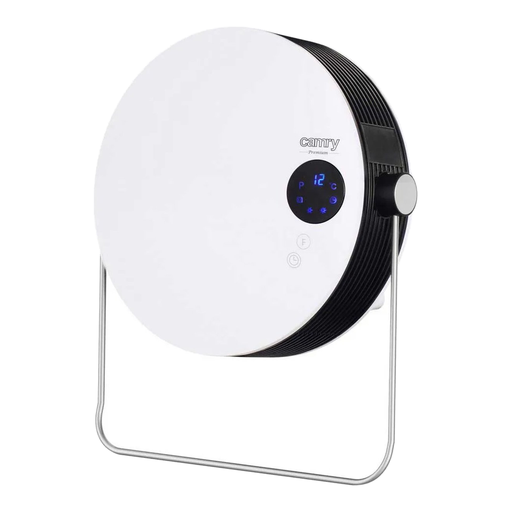
Why it suits this profile: For anyone looking for a permanent bathroom solution with wall mounting, a towel rail and programmable heating.
The product specifications state IPX2, overheat protection, two settings and open-window detection. However, check the installation instructions for your bathroom.
Adjustable from 10 to 49 °C, power of 1400 or 2000 watts, and a weekly timer with up to six periods per day.

Why it suits this profile: A compact choice for personal warmth at a desk, in a small study or beside a bed.
The low power output makes it clear that this is a personal supplementary heater, not a solution for a large room.
PTC ceramic element, 45° oscillation, weight of approximately 930 grams and dual overheat protection.
We have put together a complete, up-to-date list of products that fully meet these strict selection criteria and the applicable European safety regulations.
A 2000-watt heater uses approximately 2 kWh per hour at full power. Multiply this by your electricity tariff to estimate the cost. A thermostat, lower heat setting or timer can limit actual consumption. A model labelled “energy-efficient” is therefore not automatically cheaper if it runs continuously at maximum power.
This depends on the insulation, ceiling height, desired temperature and draughts. Use the manufacturer’s stated area as a guideline, not a guarantee. For a desk or small personal area, 600 to 1000 watts may be sufficient. For a larger room, 1500 to 2200 watts and a good thermostat are often more practical.
Always read the manual. Ideally, choose a model with a timer, thermostat, tip-over protection and overheat protection. Keep the heater away from bedding and curtains, do not cover it, and supervise it when children or pets are present. In a bathroom or other damp area, only use a model whose product specifications and installation instructions permit this.
