
Vandaag of morgen in huis

Kwaliteit gegarandeerd

Welkomstaanbiedingen ontgrendelen: GRATIS bezorging | Tot 80% korting | Gratis 30 dagen JoyPlus-proefperiode
Download de app
An electric heater may seem simple to choose: check the wattage, pick a colour and pay. But most disappointing purchases come down to details you only notice after buying. A heater may have a high power rating, for example, but distribute heat poorly. A remote control is handy, but not much use if the thermostat is inaccurate.
For households, people working from home and students, there are three pitfalls to watch out for:
A 2000-watt heater uses up to 2 kWh per hour at full power. At an electricity price of, for example, €0,30 per kWh, that works out at around €0,60 per hour. This is an example calculation; your actual costs depend on the rate in your own energy contract.
A 1500-watt PTC heater may be enough for a smaller bedroom, home office or student room. A convector heater rated between 1200 and 2000 watts generally distributes heat more gently around the room, while an electric fan heater blows warm air straight forwards. As well as checking the stated room size in square metres, consider:
A stated coverage of 20 m² is a product guide, not a guarantee that it will suit every home in the Netherlands.
A ceramic heater usually uses a PTC heating element. PTC stands for Positive Temperature Coefficient. The element’s electrical resistance changes as it heats up. That doesn’t automatically mean every PTC model uses less electricity. Some brands’ own research suggests that ECO mode can reduce energy use, but it’s best to check which power setting the heater actually uses.
An electric fan heater is compact and suitable for quick, localised warmth. However, the fan makes a noise and can move dust around. A convector heater is usually quieter, but takes longer to circulate air around the room.
A heater with a thermostat can switch off the power once the set temperature is reached. This prevents it from heating continuously, provided the thermostat is positioned correctly and the room isn’t constantly cooling down.
A heater with a timer is handy for a work session or temporary use. A heater with a remote control is particularly useful if the heater is next to a bed, sofa or desk. Also check whether the timer sets an automatic switch-off time or only programmes a start time.
For a quiet heater, a stated dB rating is more useful than the word “silent” on its own. Bear in mind that a fan may make more or less noise at different settings.
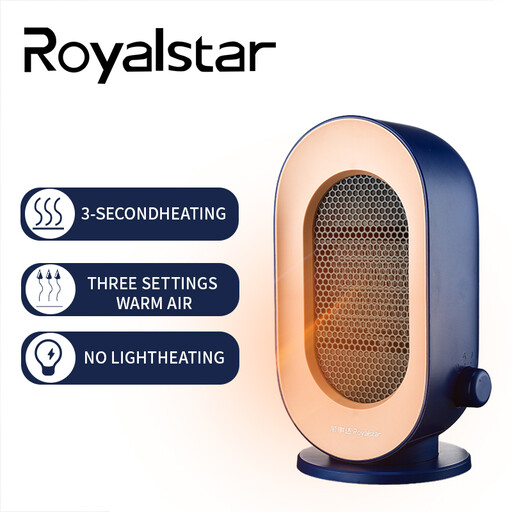
Why it suits this profile: Its low power rating and compact design make it suitable for a desk, small home office or personal space where you don’t need to heat an entire room.
The stated power rating of 600 watts makes its energy use clear. Don’t expect it to heat a large living room quickly.
600 watts, three heat settings, tip-over protection and overheat protection.

Why it suits this profile: This freestanding model is designed for anyone looking for gentle heating with an electronic thermostat and LED display in a room of up to around 20 m².
The product information lists 2000 watts, three settings, a thermostat and a fan for extra heat distribution. The noise level isn’t specified in dB.
2000 watts, electronic thermostat, LED display, three settings and a 160 cm cable.

Why it suits this profile: For anyone specifically looking for a wall-mounted bathroom heater with a timer, display and built-in towel rail. Pay extra attention to installation and earthing.
The product specifications state IPX2, but this doesn’t mean the heater can be placed anywhere in a wet zone. Follow the installation instructions and don’t use it where it could be directly splashed with water.
1400/2000 watts, programmable weekly timer, thermostat from 10–49 °C and overheat protection.
We’ve put together a full, up-to-date list of products that meet these strict selection criteria and comply with the applicable European safety regulations.
Place a portable heater on a flat, hard surface and leave plenty of clear space around it. Most manufacturers recommend keeping it at least one metre away from curtains, paper, clothing and bedding. Also bear these points in mind:
A 2000-watt model uses 2 kWh per hour when running continuously at full power. A thermostat, lower setting or ECO mode can reduce how long it runs. According to their own research, brands such as DREO and PELONIS say their ECO features can reduce energy use in certain conditions. These percentages aren’t a universal guarantee, so always compare the selected power setting and the actual running time.
A PTC or ceramic heater may be suitable for a bedroom if it has a thermostat, timer, overheat protection and tip-over protection. If you plan to use it at night, also check the stated noise level and how bright the display is. Keep it clear of bedding and never run it while covered.
Its lifespan depends on how often you use it, dust, storage and maintenance. Let the heater cool down before moving it, keep the air vents free of dust and don’t use it if the cable or casing is damaged. Keep your proof of purchase and warranty information, as warranty terms vary by product.
